
Livraison le jour même ou le lendemain

Qualité garantie

Débloquez vos offres de bienvenue: Livraison GRATUITE | Jusqu'à -80 % | 30 jours d'essai gratuits à JoyPlus
Téléchargez l'application
A cut while preparing dinner, a graze at the park, a blister after a hike or a tricky finger to protect: plasters for small wounds are not all suited to the same situations. An all-purpose box can be useful, provided you check its dimensions, adhesive strength and resistance to moisture.
Here are the most common mistakes to avoid, along with a selection designed for families, children, active adults and first-aid kits.
The wording “water-resistant” does not mean that the plaster will stay perfectly in place in the shower or during prolonged activity. It generally indicates better protection against splashes and moisture. If the plaster will be regularly exposed to water, look for a product clearly described as a waterproof plaster and check the product description carefully.
A plaster that is too short will come off quickly, while one that is too wide may restrict movement. Family plasters available in several sizes are often more practical. For fingers, joints or toes, the shape of the plaster matters just as much as the adhesive surface.
A box of 50 may seem like good value, but it loses much of its appeal if it contains only one size or if its material is unsuitable for the intended use. Also check how many formats are included, whether it has a non-stick dressing pad and what the adhesive is made of.
An elastic fabric backing moves with you, which is particularly useful on fingers, wrists and ankles. A micro-aerated material can improve everyday comfort, while a non-stick dressing pad makes removing the plaster easier.
People with sensitive skin may prefer latex-free hypoallergenic plasters. Claims such as “0% latex” or “natural latex-free” provide information about the composition, but do not guarantee that there will be no skin reaction at all. If redness or irritation persists, remove the plaster.
For a versatile first-aid kit, it is better to have several sizes available. Classic adhesive plasters are suitable for small cuts and grazes. Models designed for fingers are often longer or more flexible, so they fit and protect the area properly.
For blisters, a hydrocolloid plaster covers the area and forms a protective cushion. It is not used like a standard plaster intended for a superficial wound.
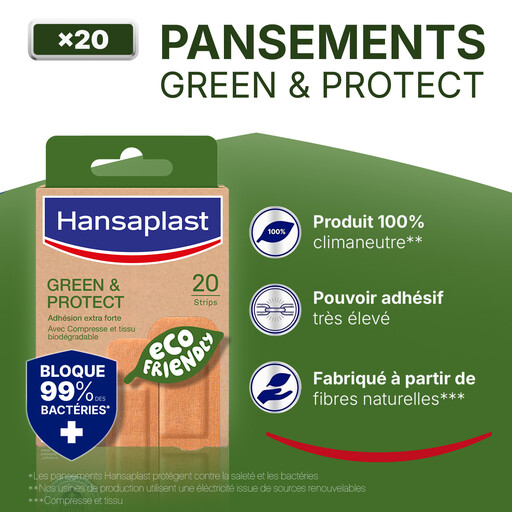
Why this choice suits this profile : This box is a good starting point for everyday minor injuries, with 20 plasters in two sizes.
The two sizes mean you are not restricted to a single format. The fabric is described as water-resistant, and the box states 0 % latex.
Natural-fibre backing, adhesion described as strong, non-stick dressing pad and skin compatibility tested under dermatological supervision according to the product information.
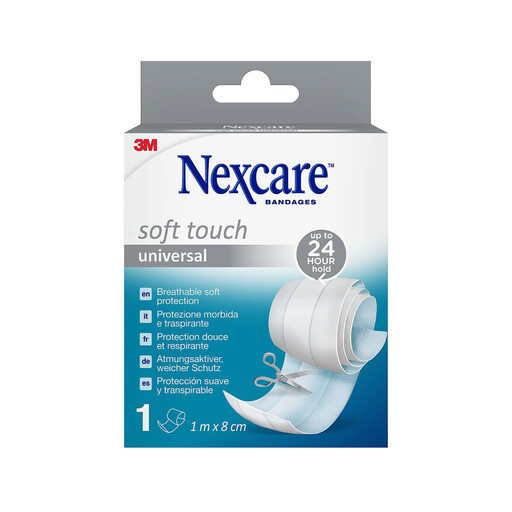
Why this choice suits this profile : This cut-to-size roll is ideal for anyone who wants to tailor protection precisely to different areas or dimensions.
With one metre of bandage, there is no need to buy several very different formats. However, you need to cut the bandage before applying it and follow the instructions.
Soft non-woven fabric, breathable material, non-stick dressing pad, cut-to-size design and stated absence of natural latex.
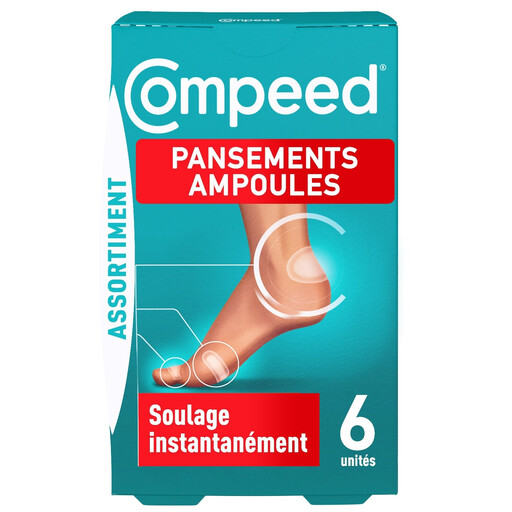
Why this choice suits this profile : Walkers, runners and anyone prone to friction can choose from three shapes: two small, two medium and two designed for toes.
The assortment helps you avoid choosing a model that is too large or too narrow for your foot. It is intended for blisters and must not be applied to an infected wound.
Hydrocolloid technology, three foot-specific formats and wear time lasting until natural detachment, as stated in the instructions.
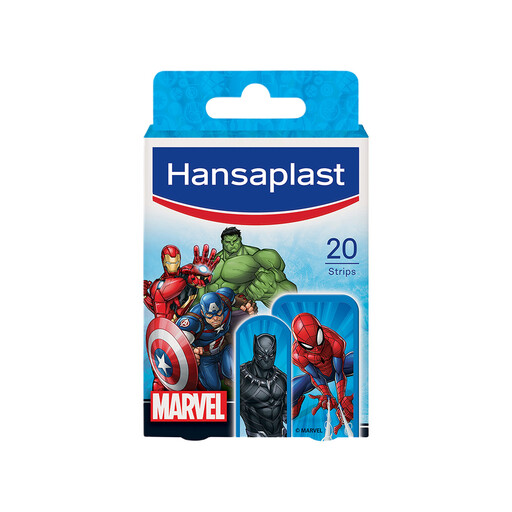
Why this choice suits this profile : Disney Avengers designs can make applying a plaster easier for a child to accept, while providing a format suitable for minor injuries.
The pack contains 20 plasters and states 0 % latex. Nevertheless, apply it to clean, dry skin without stretching the backing.
Easy removal as stated, gentle on the skin according to the description and designs suitable for children.
We have selected a complete range, updated in real time, of products that meet these strict criteria as well as European safety requirements.
Keep plasters in their packaging, in a dry place away from heat and direct sunlight. Also remember to check the expiry date of the products concerned.
For a deep wound, a bite, a serious burn, persistent bleeding or signs of infection, an everyday plaster is not enough: seek medical advice promptly.
Replace it as soon as it becomes wet, dirty or starts to come away. For some products, the instructions recommend changing it daily. Hydrocolloid blister plasters generally follow a different schedule: always check the instructions on the box.
A flexible, stretchable model or one specially designed for hands is generally more practical. The Hansaplast Hand Mix pack includes finger formats, universal models, waterproof versions and butterfly plasters for joints.
No. They are intended for certain small cuts, in accordance with the instructions. In the event of heavy or deep bleeding, or if the bleeding does not slow despite continuous pressure, apply the appropriate first-aid measures and contact the emergency services.