
Livraison le jour même ou le lendemain

Qualité garantie

Débloquez vos offres de bienvenue: Livraison GRATUITE | Jusqu'à -80 % | 30 jours d'essai gratuits à JoyPlus
Téléchargez l'application
A small cut, a blister on your foot or a spot that’s flared up – these don’t all need the same treatment. Yet packaging often makes the same promises: water resistance, long-lasting adhesion, breathable material or gentle removal. To avoid buying something that isn’t right for you, it’s worth looking at the shape of the plaster, the material it’s made from and the conditions you’ll be using it in.
A waterproof or water-resistant plaster protects the area from splashes, showers and sometimes baths. That doesn’t mean it will stay perfectly in place after a long soak or a swim. Check the manufacturer’s recommendations and plan to replace it after exposure to water, especially if it’s damp or dirty.
A standard plaster might work perfectly for a graze on your forearm, but it can become uncomfortable on a finger, a joint or a heel. Plasters specially designed for fingers, blister-specific formats and stretchable plasters move much better with your body. Too small, and the wound is left exposed; too large, and the edges are more likely to peel off.
Reactive skin can react badly to certain adhesives, even when the backing feels soft. Terms like hypoallergenic, latex-free or micro-aerated give useful clues, but they’re not a complete guarantee. Check the ingredients and stop using the product if you notice redness, itching or irritation.
For a family first-aid kit, a box with several different sizes helps reduce waste. Pre-cut formats are especially handy for everyday minor cuts. For fingers and joints, go for a stretchable material or a shape designed to fit the area. A blister plaster should cover the friction zone generously and be applied to clean, dry skin.
A stretchable fabric backing moves with you, while a transparent film is more discreet. Ultra-soft non-woven plasters for sensitive skin can be more comfortable when you need to change the dressing regularly. Products labelled latex-free are an important precaution for anyone sensitive to this material.
The term hypoallergenic means the product is designed to reduce the risk of a reaction – it doesn’t guarantee no reaction at all. For children, also check the minimum age for use, whether the packaging contains latex, and whether your child is likely to keep the plaster in place.
A standard adhesive plaster should generally be replaced as soon as it’s damp or dirty, following the instructions on the leaflet. Hydrocolloid plasters, often used for blisters, are designed to stay on for longer, according to the manufacturer’s recommendations. However, they aren’t suitable for every situation and should not be applied to an infected wound.
Spot patches work differently: your skin must be clean and dry, with no cream or other product underneath. These products are for external use on targeted blemishes and are not a substitute for medical advice if the problem persists.
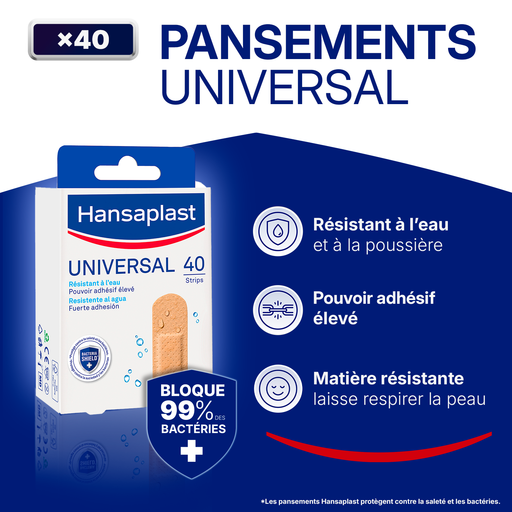
Why this suits this profile: With 40 universal plasters, this pack is ideal for a family first-aid kit for everyday minor cuts, grazes and scratches.
The quantity and universal sizes mean you don’t have to replace the whole box for just one small wound. The protection is water- and dirt-resistant, without claiming to be suitable for prolonged immersion.
40 plasters, water-resistant protection, breathable material and 0% latex according to the product sheet.
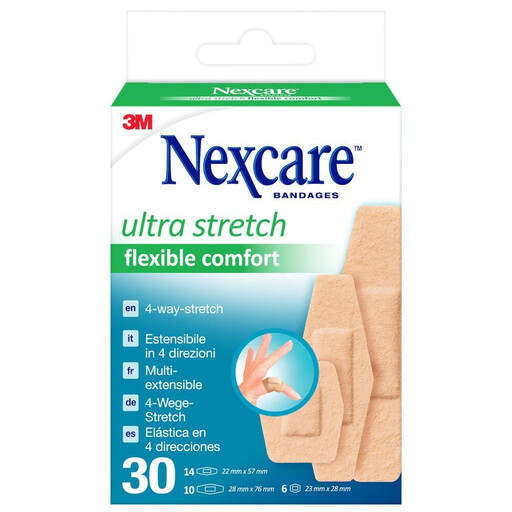
Why this suits this profile: Anyone who wants to keep good freedom of movement will appreciate the stretchable backing, which is particularly well suited to joints and moving areas.
Its shape and stretchable material reduce the risk of a rigid plaster peeling off at the elbows or joints. It is still intended for superficial wounds only.
30 pieces, four-way stretch material, 360° protection seal and labelled natural latex-free. This is a Class I medical device.
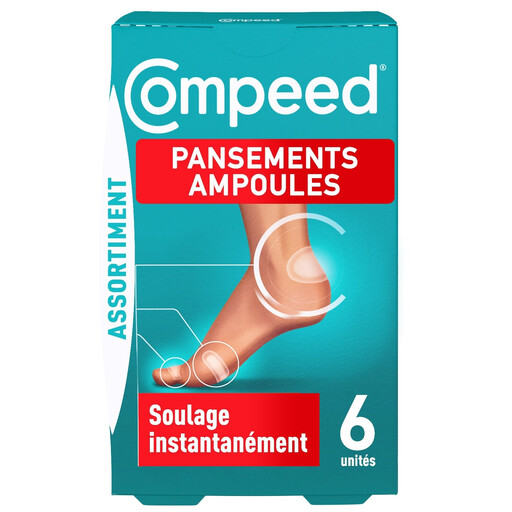
Why this suits this profile: Walkers, sportspeople and anyone prone to friction will find three sizes suitable for foot blisters, including those that appear on the toes.
The assortment means you don’t have to choose a plaster that’s too narrow for the area. The instructions recommend not cutting the plaster and letting it fall off naturally.
Hydrocolloid technology, six pieces split between two medium sizes, two small and two for toes. The product sheet states it is water-resistant.
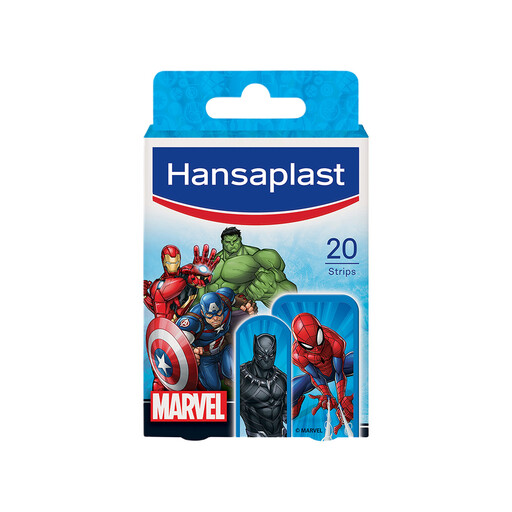
Why this suits this profile: The Disney Avengers designs can help a child feel more comfortable about having a plaster put on after a minor everyday injury.
The product sheet states these plasters are easy to remove and gentle on the skin. The backing is labelled 0% latex, which isn’t always the case with children’s products.
20 children’s plasters, described as gentle to remove, and colours designed for children’s use, according to the manufacturer’s information.
We’ve put together a comprehensive, real-time updated list of products that fully meet these strict selection criteria and European safety regulations.
The duration depends on the product, the area it’s on and the condition of the plaster. Some models can stay in place for several days and should be removed when they start to peel off naturally. Replace them sooner if they become dirty, very damp or if irritation appears. If you notice signs of infection or a wound that isn’t healing, seek advice from a healthcare professional.
Go for a soft, micro-aerated backing that’s labelled latex-free if that’s a concern. The term “hypoallergenic” means the product is designed to reduce the risk of a reaction – it doesn’t guarantee it will suit all skin types. Try it carefully and stop using it at the first sign of a reaction.
No. A spot patch should be applied to a clean, dry area, as intended. Avoid open, infected or heavily inflamed wounds. For any persistent or unusual lesion, seek advice from a healthcare professional.