
Livraison le jour même ou le lendemain

Qualité garantie

Débloquez vos offres de bienvenue: Livraison GRATUITE | Jusqu'à -80 % | 30 jours d'essai gratuits à JoyPlus
Téléchargez l'application
A first aid kit often contains several sizes, but not all plasters and first aid bandages serve the same purpose. A cut on your finger, a blister on your heel, a graze exposed to water, or a dressing you need to hold in place on your ankle all require different products.
So the choice isn't just about the number of pieces or a promise of "enhanced protection." You also need to consider the material, the size, the type of adhesive, and the usage instructions.
A water-repellent plaster is fine for washing your hands, but it may peel off during a long shower or a swim. To protect a wound from moisture, check for the waterproof label, make sure the adhesive covers all four sides, and follow the replacement recommendations on the packaging.
A small adhesive plaster won't properly cover a large graze. On the other hand, a plaster that's too big can restrict movement and stick to areas where it's not needed. For a family, multi-size assortments and rolls you can cut to size are usually more practical.
Strong adhesion doesn't always mean better comfort. If your skin reacts easily, choose a hypoallergenic plaster, ideally one that's free from natural latex if that's stated on the pack, with a soft, breathable backing. If you experience irritation, redness, or itching, remove the product.
The backing should be chosen based on the intended use. A stretchy fabric moves better with your joints, while a soft non-woven material works well for everyday minor cuts. The sterile pad should stay separate from the adhesive part and, if possible, be non-stick to make removal easier.
For a medical adhesive tape used to hold a dressing in place, also check its width, the length of the roll, and whether it can be torn by hand. A micro-perforated tape lets more air circulate, but it doesn't replace a dressing designed to isolate a wound from water.
Roughly estimate the area you need to cover, leaving a margin around the wound. On a finger, elbow, or other joint, a stretchy material helps prevent creasing. To hold a dressing on a wrist or ankle, an elastic bandage should stay firmly in place without compressing.
Numbness, tingling, a change in colour, or pain mean the bandage is too tight. Remove it immediately, then reapply it more loosely.
A plaster for a superficial wound should generally be changed when it becomes wet, dirty, or loose, or according to the manufacturer's instructions. A hydrocolloid blister plaster is designed to stay on for longer, while a standard single-use plaster needs changing more often.
Sterile products must remain in their packaging until you're ready to use them. Do not use them if the sachet is open or damaged. For a deep wound, an animal bite, a serious burn, a foreign object, or signs of infection, seek medical advice instead of relying on a plaster alone.
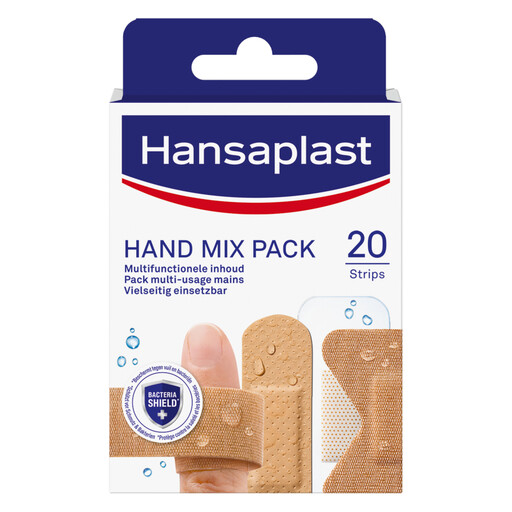
Why this choice suits this profile: this assortment brings together 20 plasters in five sizes, including options for fingers, joints, and waterproof use. A versatile foundation for building your first family first aid kit.
The variety of sizes means you won't have to use a plaster that's too small or poorly suited to a joint.
20 pieces, five sizes, and several soft or water-resistant options.
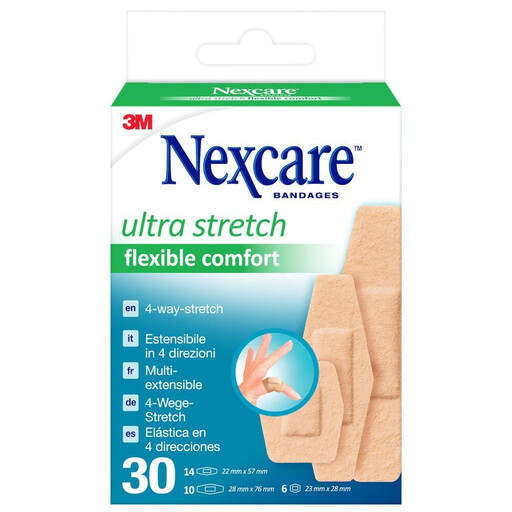
Why this choice suits this profile: its four-way stretch backing moves with you, especially around knuckles and elbows.
Its shape and 360° protective seal reduce the risk of leaving part of the pad insufficiently covered.
30 plasters, a four-way stretch material, and a formulation stated to be free from natural latex.
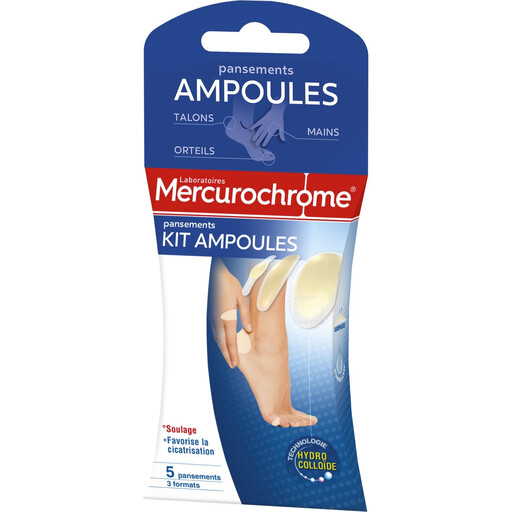
Why this choice suits this profile: designed for friction blisters, this transparent, water-resistant anti-blister plaster is ideal for hiking, travel, and sports activities.
It's a format specifically designed for blisters, not a standard plaster applied to a friction-prone area.
Hydrocolloid technology, a second-skin effect as stated by the manufacturer, and a water-resistant design.
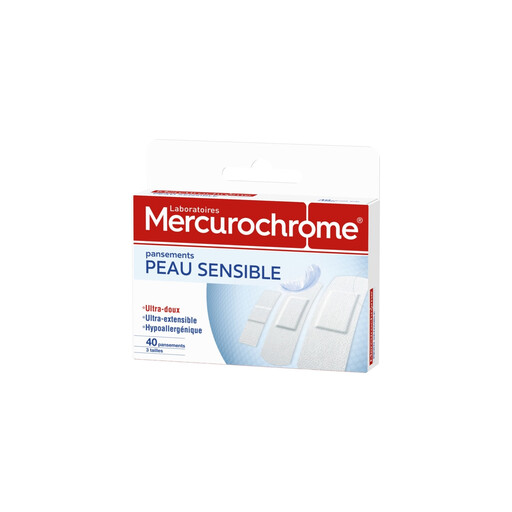
Why this choice suits this profile: its three sizes and stretchy fabric allow you to tailor the protection to everyday minor cuts and grazes.
The choice of sizes means you won't need to use an oversized plaster, and the absence of natural latex is clearly stated.
40 pieces, three sizes, a very soft backing, and a stretchy fabric stated to be hypoallergenic.
We've selected a comprehensive, real-time updated list of products that meet these demanding criteria and European safety standards.
For a household, a well-balanced first aid kit could include:
Store the products in a dry place, check the condition of the packaging regularly, and keep an eye on the dates provided by the manufacturer.
Change it if it becomes wet, dirty, or loose, or follow the manufacturer's instructions. A hydrocolloid plaster can stay on for several days depending on its condition and the instructions, while a standard plaster usually needs changing more often.
No. These products are designed for small, clean, superficial wounds. They are not automatically suitable for deep or infected wounds, animal bites, or serious burns. Clean the area, dry the skin around it, then check that the plaster completely covers the wound.
Start by placing a dressing on the affected area, then wrap the bandage with moderate tension. Circulation must not be restricted. Remove it immediately if you experience tingling, numbness, or a change in colour, and consult a healthcare professional if the injury seems serious.