
Livraison le jour même ou le lendemain

Qualité garantie

Débloquez vos offres de bienvenue: Livraison GRATUITE | Jusqu'à -80 % | 30 jours d'essai gratuits à JoyPlus
Téléchargez l'application
A cut on your finger, a blister after a hike, or a graze on a child – they don’t all need the same type of protection. Yet many plasters are still chosen purely on price, the number in the pack, or a promise like “waterproof”. The result? Ill-fitting protection can peel off, irritate the skin, or fail to cover the wound properly.
Before you stock your family first-aid kit, it’s worth avoiding three common mistakes:
Waterproof plasters, water-resistant plasters, and moisture-resistant models don’t all offer the same level of protection. For the shower or bath, choose a design with adhesive all the way around and a pad that fully covers the injured area.
Clear, ultra-thin models are discreet, but their adhesive surface isn’t always ideal on areas that move a lot. On the other hand, a stretchable or fabric backing moves better with you, especially on fingers, wrists, and joints.
A non-stick pad makes removal far more comfortable. If the wound needs to be covered separately, sterile gauze pads should stay in their individual wrappers until you’re ready to use them. They can then be held in place with medical adhesive tape or a stretch bandage.
Ready-to-use sterile plasters are handy for minor superficial wounds. However, always check the packaging is intact and the expiry date hasn’t passed. An opened or damaged wrapper can no longer guarantee the stated sterility.
Hydrocolloid plasters contain a material that turns into a gel when it comes into contact with wound fluid. They’re mainly intended for uninfected blisters and areas that are prone to rubbing. Their tapered edges make them more discreet, while their water-resistant surface makes everyday activities easier.
However, they aren’t suitable for every situation. Don’t apply them to an infected wound, a serious burn, a bite, or a deep wound. If a blister becomes red, swollen, produces pus, or becomes increasingly painful, seek medical advice promptly.
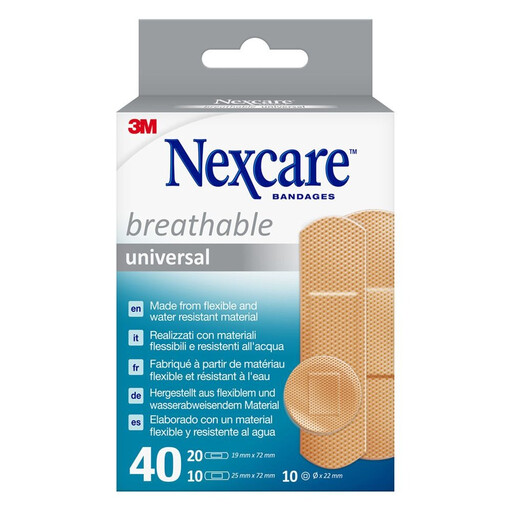
Why this choice suits this profile: Its assortment brings together several sizes for minor cuts, grazes, and everyday bumps and scrapes, without needing to buy multiple boxes.
The 40 plasters in different sizes reduce the risk of using a size that’s too small or too large.
Stretchable backing, breathable material, water resistance, and a non-stick pad.
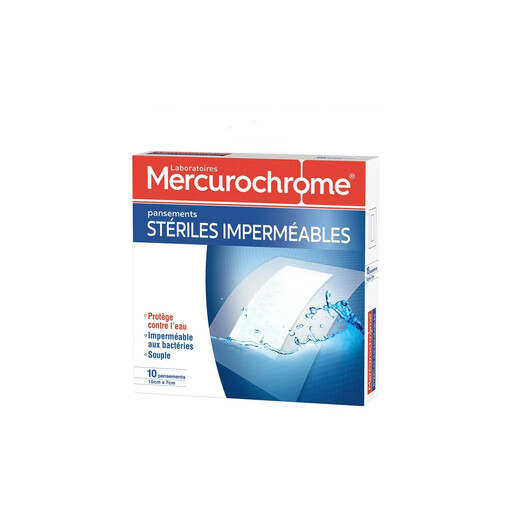
Why this choice suits this profile: This generous size is ideal for those who need sterile, waterproof protection for fairly large superficial wounds or areas that require full coverage.
The adhesive on all four sides and the integrated pad reduce potential entry points for water and dirt.
10 plasters measuring 10 cm × 7 cm, backing stated as waterproof, and a non-stick pad surface.
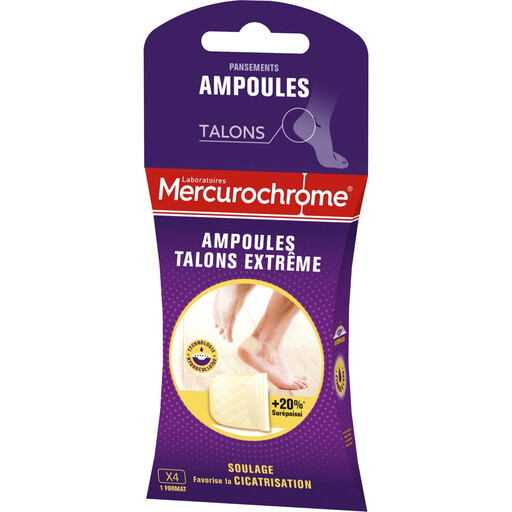
Why this choice suits this profile: Its shape, designed for the heel and ball of the foot, meets the needs of hikers, athletes, and anyone whose feet are subjected to repeated rubbing from shoes.
This isn’t just a cut-out adhesive plaster: its hydrocolloid design and reinforced area target pressure and friction under the foot.
Hydrocolloid technology, tapered edges, stated water protection, and a reinforced raised area at the heel.
We’ve put together a comprehensive, real-time updated list of products that meet these demanding selection criteria and European safety regulations.
Plasters aren’t everything. A versatile kit might also include:
Wash and dry the skin before applying. Put the plaster on without stretching it, then press the edges down carefully. Replace it if it becomes damp, dirty, or starts to peel off. Single-use items must not be reused.
It depends on the model and the condition of the wound. A standard plaster should be changed if it gets wet, dirty, or comes loose – in practice, this often happens at least once a day. A hydrocolloid plaster can stay in place for several days if it’s still adhering properly, following the instructions on its leaflet.
Yes, some waterproof plasters are designed to withstand a shower or bath. However, make sure the skin is completely dry when you apply it and that the edges are stuck down along their full length. After prolonged immersion, replace the plaster if it’s no longer waterproof.
A hydrocolloid blister plaster is generally suitable for areas that rub, such as the heel, toes, or ball of the foot. It should not be applied to an infected blister. To prevent a blister from forming, use an anti-friction plaster on intact skin instead.