
Livraison le jour même ou le lendemain

Qualité garantie

Débloquez vos offres de bienvenue: Livraison GRATUITE | Jusqu'à -80 % | 30 jours d'essai gratuits à JoyPlus
Téléchargez l'application
A cut on your finger, a blister after a hike or a spot that appears just before an appointment do not require the same protection. Yet when buying plasters and spot patches, people often focus on a prominent claim: “waterproof”, “breathable”, “invisible” or “hydrocolloid”. These descriptions are useful, but they are not enough to determine whether a product is genuinely suitable for your needs.
Here are the criteria to consider before putting together a practical first-aid kit for your home, gym bag or travels.
A water-repellent or water-resistant plaster can cope with a few splashes, but it is not necessarily designed for showers, baths or swimming. If you plan to immerse it in water, look for an explicit 100 % waterproof claim and check the manufacturer’s recommendations.
A small adhesive plaster placed over a knee or joint may come loose quickly. Conversely, an oversized plaster on a finger can restrict movement. Packs containing several sizes are generally more practical for covering everyday cuts, grazes and minor wounds.
The term “spot patch” does not always tell you about the material, thickness, diameter or conditions of use. A hydrocolloid spot patch should be clearly identified as such on the packaging. Do not apply a product designed for spots to a wound, and do not present these patches as a medical treatment: depending on the manufacturer’s instructions, they are primarily intended to protect an individual blemish and reduce contact with your fingers.
For fingers, knees and elbows, choose an elastic or very flexible material. It will follow your movements more effectively than a rigid backing. A breathable fabric can improve everyday comfort, while a waterproof backing is better suited to situations involving contact with water.
Also check the dressing pad: a non-stick pad helps prevent it from adhering to the wound when removed. This does not remove the need to clean the area beforehand, and it is not suitable for deep, infected or heavily bleeding injuries.
Before comparing prices, check the actual number of plasters and their dimensions. A family first-aid kit may include:
A healthcare product should include clear instructions, the manufacturer’s or responsible operator’s contact details, storage conditions and precautions for use. For a medical device, check the applicable regulatory information, including the CE marking where required, as well as the presence of instructions in French.
Always follow basic precautions: clean the area, dry the skin around the wound, apply the plaster without stretching it and replace it if it becomes wet, dirty or starts to come loose. If you experience persistent redness, signs of infection, a bite, a serious burn or a deep wound, seek medical advice. People with diabetes or circulatory problems should also follow the recommendations of a healthcare professional.
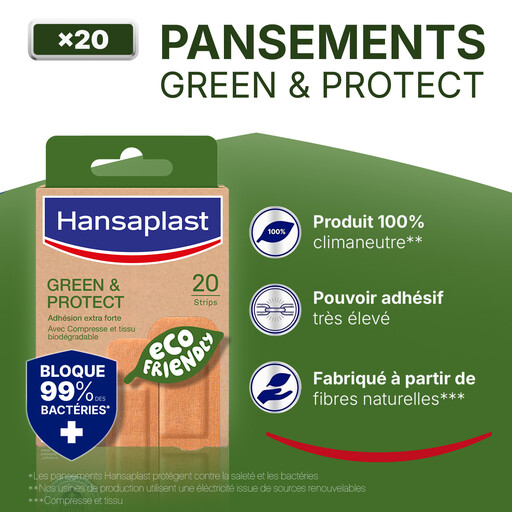
Why this choice suits this profile : With 20 plasters in two sizes, this box provides a practical supply without the need to buy multiple products.
The dimensions are specified and the backing is water-resistant, so you avoid using a single size for every minor injury.
Natural fibres, a non-stick dressing pad, water-resistant fabric and a formula advertised as latex-free.
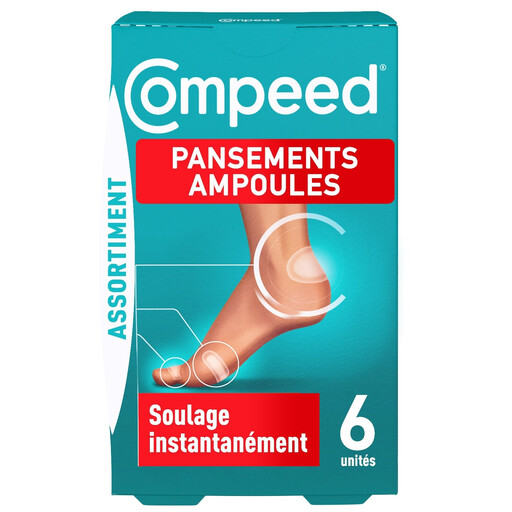
Why this choice suits this profile : People who walk a lot or travel regularly get three shapes designed for foot blisters.
The assortment distinguishes between medium, small and toe sizes, rather than presenting one universal plaster as suitable for every area.
Six hydrocolloid plasters, including two toe models, with a gel designed to absorb exudate.
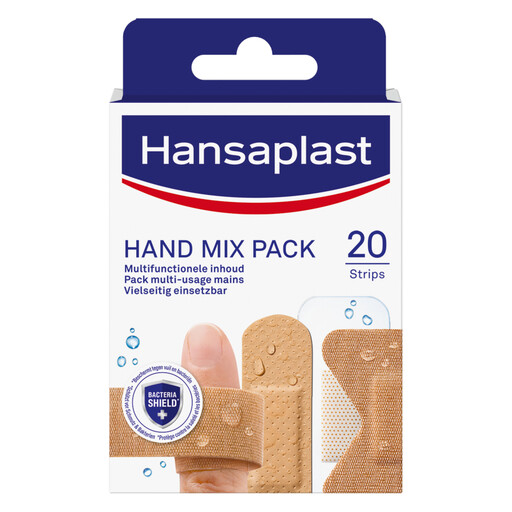
Why this choice suits this profile : Manual work, DIY and sport benefit from sizes designed for fingers, joints and particularly exposed areas.
The 20 plasters include five types: finger plasters, flexible sizes and plasters advertised as waterproof.
An assortment of five sizes, including four waterproof plasters and two elastic butterfly-shaped plasters.
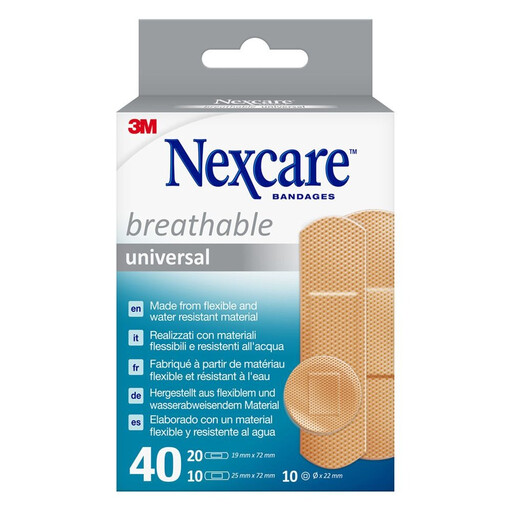
Why this choice suits this profile : This pack is suitable for a family or first-aid kit expected to cover a range of common situations.
The three sizes are specified and the material is both breathable and water-resistant, without being presented as completely waterproof.
40 plasters in three sizes, a non-stick dressing pad, stretchable material and a Class I medical device according to the information provided.
We have put together a complete, real-time updated list of products that fully meet these strict selection criteria and European safety regulations.
A standard plaster should be replaced as soon as it becomes damp, dirty or starts to come loose. Some blister plasters are designed to stay in place for several days: follow the instructions and do not remove them prematurely. For a spot patch, follow the duration stated on the packaging and remove it at the first sign of irritation.
Not necessarily. A waterproof plaster primarily protects against water and moisture. A friction blister is better suited to a size designed for that area, often a hydrocolloid plaster. Choose a size suitable for the foot and apply it to clean, dry skin.
No. Their suitability depends on the manufacturer’s instructions and the condition of the skin. Before buying, check the ingredients, diameter, number of patches and directions for use. Do not apply a cosmetic patch to an open wound, an infected area or severely irritated skin.