
Livraison le jour même ou le lendemain

Qualité garantie

Débloquez vos offres de bienvenue: Livraison GRATUITE | Jusqu'à -80 % | 30 jours d'essai gratuits à JoyPlus
Téléchargez l'application
A small cut, a graze... everyday accidents happen in a flash. The first instinct? To grab a plaster from the first-aid kit. However, choosing the right plaster isn't so simple. Between an adhesive plaster that gives up at the first drop of water and one that irritates sensitive skin, the experience can quickly become a headache.
Our mission: to help you make sense of it all. Let's forget the marketing jargon and focus on what's essential. To ensure you never have to curse at a peeling plaster again, here are the pitfalls to avoid and the real criteria for equipping your family with products that deliver on their promises.
To build a truly useful first-aid cabinet, you just need to master a few basics. This will enable you to choose the right product for every situation, from a scrape on your child's knee to a small cut in the kitchen.
The comfort and durability of an adhesive plaster depend on its composition.
Not all plasters offer the same level of protection.
The shape of the plaster plays a key role in its effectiveness.
Rather than an endless list, we've matched proven products to specific needs. Here are our recommendations from trusted brands like Hansaplast and Mercurochrome, which tick all the boxes for the criteria we've just discussed.
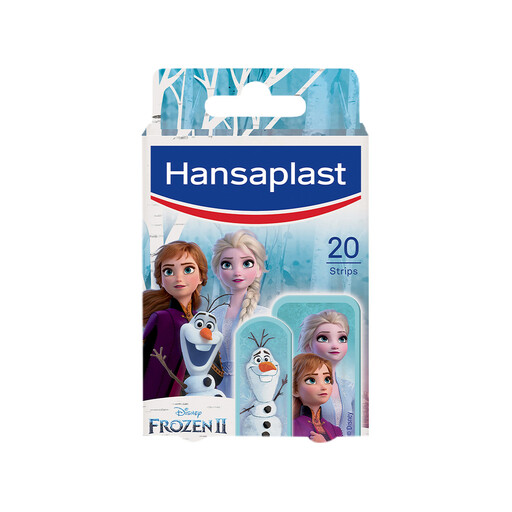
Why we love it: Treating a scrape becomes much easier when the plaster features children's favourite heroes. It turns care into a game and helps them forget the pain.
Its strong adhesive power is designed to withstand the most active play, so you can say goodbye to plasters that peel off after five minutes. Bonus: removal is promised to be painless.
The colourful designs comfort and distract the child. Its flexible and water-resistant material is suited to their busy daily lives.
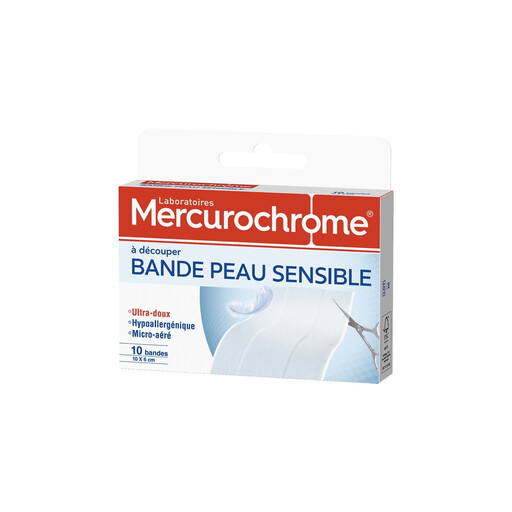
Why we love it: The solution for skin that can't tolerate classic adhesives. It protects effectively while respecting the most delicate skin.
It avoids the "sensitive skin" trap thanks to its ultra-soft non-woven fabric backing and its hypoallergenic formula, tested to minimise the risk of reaction.
Its micro-perforated texture lets the skin breathe, which is essential for comfort and proper healing. Its cut-to-size format makes it highly versatile.
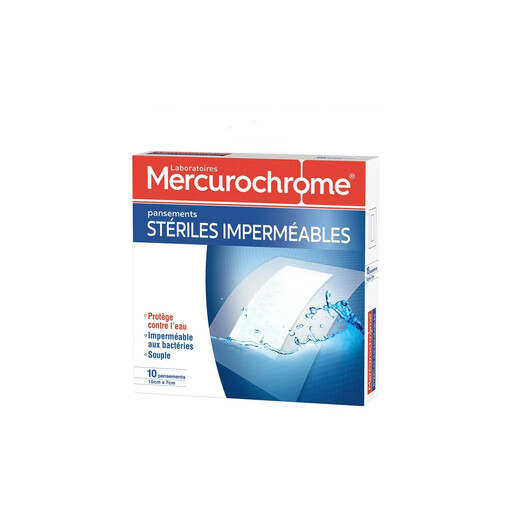
Why we love it: Essential for protecting large wounds, stitches, or any injury that must be kept completely dry (e.g., after a minor procedure).
No more "fake waterproof" plasters! Its secret? An adhesive on all four sides that creates a truly sealed barrier. You can finally shower with peace of mind.
It combines two key functions: it is sterile (anti-infection) and perfectly waterproof. Its central pad doesn't stick to the wound, ensuring pain-free removal.
Discover our full selection of products that meet our demanding selection criteria and current standards. We've also thought about the little ones.
A water-resistant plaster will withstand limited exposure to moisture (like hand washing). A waterproof (or sealed) plaster goes further: it must stay perfectly in place during a shower or bath, thanks to a powerful adhesive and a design that completely isolates the wound.
As a general rule, it's recommended to change your plaster daily for hygiene and to monitor the wound's progress. Change it immediately if it gets wet, dirty, or starts to peel off. Exception: specialised plasters like hydrocolloids (for blister plasters) are designed to stay in place for several days until they detach naturally.
The hypoallergenic label means the product has been formulated to minimise the risk of allergies by using materials and adhesives known to be less reactive. However, it is not an absolute guarantee. Every person's skin is unique, and a reaction, though rare, is still possible. If irritation occurs, remove the plaster and do not hesitate to consult a healthcare professional.