
Livraison le jour même ou le lendemain

Qualité garantie

Débloquez vos offres de bienvenue: Livraison GRATUITE | Jusqu'à -80 % | 30 jours d'essai gratuits à JoyPlus
Téléchargez l'application
Choosing a plaster? It seems like a simple task. Yet, when faced with a cut, a painful blister, or an ill-timed pimple, the wrong choice can be counterproductive, or even make things worse. As product experts, we see too many consumers disappointed by marketing promises that don't hold up. Let's break down the common pitfalls to avoid so you can make the right choice with confidence.
There's the classic so-called "waterproof" plaster that peels off at the first drop of water. Then there's the "universal" plaster, so rigid it refuses to conform to a finger or a knee. Finally, the most common mistake: using a standard plaster for a blister or an acne spot, which often just slows down the healing process.
To avoid these disappointments, you just need to check a few key features before you buy. A plaster isn't just a simple piece of adhesive plastic; its material and technology are what guarantee its effectiveness.
The material directly impacts the plaster's comfort, flexibility, and staying power.
The central pad is the core of the technology.
There's a solution for every scrape.
Here are a few options that cater to specific user profiles, based on the criteria we've just discussed.
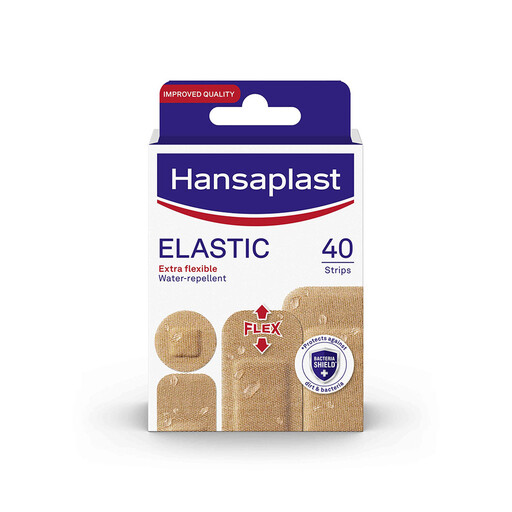
Why we love it: This is the Swiss Army knife of the medicine cabinet. This assortment is a reliable choice for handling the whole family's everyday minor injuries.
No more struggling with "one-size-fits-all" plasters that never stick where you need them. With 4 sizes and its elastic fabric, it adapts perfectly to mobile areas where rigid plastic just gives up.
Its flexible, breathable fabric lets the skin breathe while following every movement. All with rock-solid adhesion.
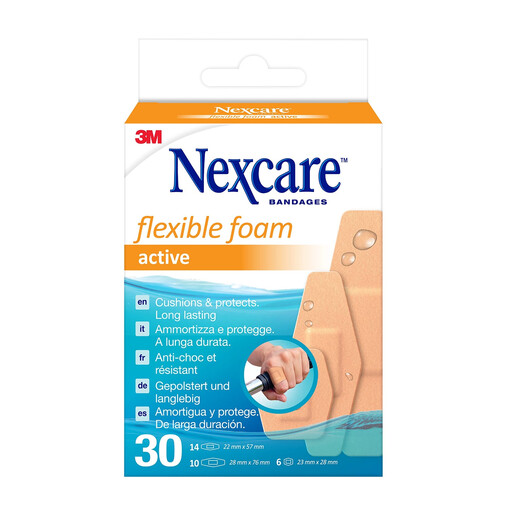
Why we love it: Designed for those who are always on the move. This foam plaster cushions against impact and won't budge an inch, whether you're hiking, doing a CrossFit session, or gardening.
It knocks out the problem of plasters that peel off at the first sign of sweat. Its unique material adheres even to damp skin, where a conventional plaster would have already thrown in the towel.
Its diamond shape and ultra-flexible foam perfectly conform to tricky areas like knees and elbows, without ever restricting movement.
Discover our full selection of products that meet our selection criteria and current safety standards.
A standard plaster should be changed daily, or as soon as it gets wet or dirty, to ensure perfect hygiene. For a hydrocolloid plaster, it's different: leave it in place until it starts to peel off on its own (usually after a few days). This is a sign that it has done its job and absorbed the maximum amount of fluid.
A standard plaster has a dry pad that absorbs fluid and protects the wound from bacteria. A hydrocolloid plaster, on the other hand, contains particles that turn into a gel on contact with wound secretions. This gel maintains an ideal moist environment to speed up healing, limit scab formation, and soothe pain, which is perfect for blisters.
For a child, the ideal plaster ticks three boxes: a fun design to take the drama out of the injury, a hypoallergenic formula for their sensitive skin, and technology that ensures a painless removal. A water-resistant model is a real bonus for keeping up with your little adventurers.