
Livraison le jour même ou le lendemain

Qualité garantie

Débloquez vos offres de bienvenue: Livraison GRATUITE | Jusqu'à -80 % | 30 jours d'essai gratuits à JoyPlus
Téléchargez l'application
A plaster that peels off with the slightest movement, a supposedly "waterproof" dressing that lets water in during a shower, a pad that sticks to the wound… We all have a box of plasters at home, but choosing the right one is often a headache. A poor choice is at best ineffective, and at worst, it can slow down the healing of a minor injury.
Faced with the jungle of options at the pharmacy, it's easy to get lost. Between disappointing marketing promises and specific technologies, it's time to sort through the noise. Let's break down the pitfalls to avoid so you can build a first-aid kit that's truly reliable.
To ensure you never make the wrong choice again, here are the key points to check before you buy.
The plaster's material defines its flexibility, breathability, and durability.
Beyond simple protection, some plasters integrate technologies that accelerate healing.
A good box of plasters should contain several formats to be ready for any situation.
To help you see more clearly, here is our selection of products, each meeting a specific need.
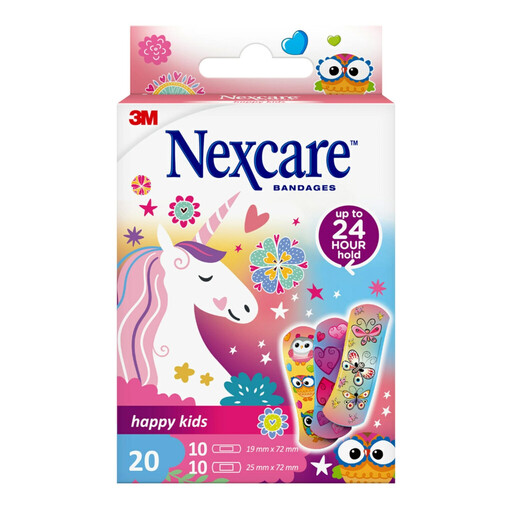
The right choice for them : Perfect for treating children's little scrapes. The colourful designs help make the situation less scary, while the material is designed for their delicate skin. An essential criterion for parents.
This children's plaster is designed for easy, pain-free removal, thus avoiding the trap of overly aggressive adhesives on sensitive skin.
Very flexible and breathable material. Non-stick pad that protects the wound without adhering to it.
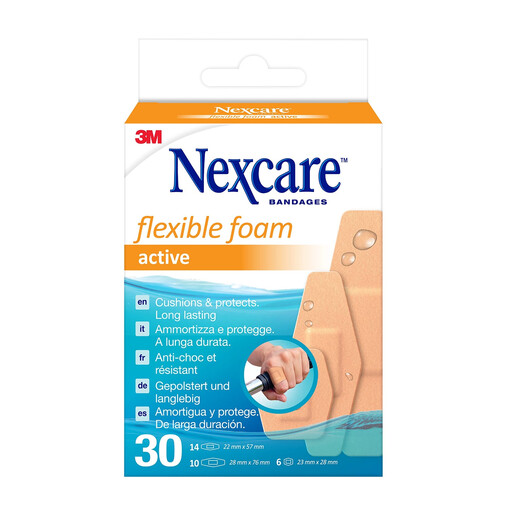
The right choice for them : Designed for active lifestyles, this flexible foam plaster cushions impact and moves with you. Its ability to stick even to damp skin makes it essential for sports, where sweat is unavoidable.
It avoids the pitfall of a plaster that peels off mid-activity. Its material and adhesive are specifically developed to stay in place, even on damp skin and on flexible areas.
Foam material that cushions and protects. Unique diamond shape for optimal coverage of difficult areas.
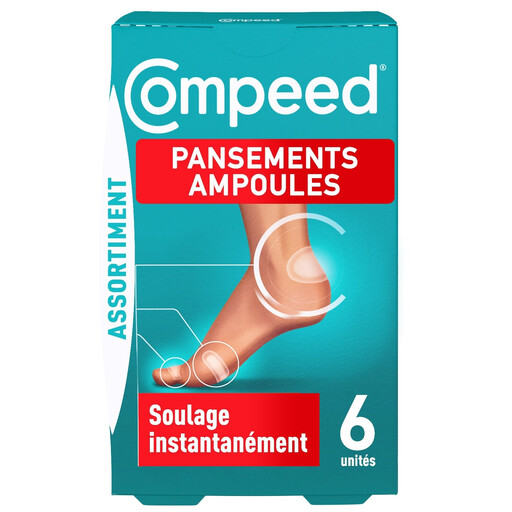
The right choice for them : This is the go-to solution for anyone suffering from blisters, whether after a hike or from new shoes. The hydrocolloid technology is the most suitable for this type of injury.
It avoids the "unsuitable plaster" trap. Applying a standard plaster to a blister can worsen the pain. This one acts as a cushion and creates a moist environment conducive to healing.
Active gel technology that absorbs wound fluid. Immediate relief from pressure and friction.
We have put together a complete selection of products that meet our selection criteria and current safety standards.
A standard plaster offers passive protection: it covers the wound to protect it from bacteria and dirt. A hydrocolloid plaster, on the other hand, provides active protection. It contains particles that form a gel when in contact with the wound. This gel maintains a moist environment that speeds up healing, while also acting as a cushion to relieve pain. This is what makes it ideal for blisters.
The lifespan of a water-resistant or waterproof plaster depends on its quality and your activity. Some high-performance models, like the Nexcare Max Hold, can last up to 48 hours, even during intense activities. As a general rule, a plaster should be changed as soon as it gets dirty, wet, or starts to peel off to avoid any risk of infection.
Contrary to a common misconception, letting a small wound dry out in the open air is not always the best solution. Covering it with a suitable plaster protects it from impurities and friction. Most importantly, a plaster maintains a moist environment (the principle of moist wound healing) which helps to reduce scab formation and minimise scarring.