
Livraison le jour même ou le lendemain

Qualité garantie

Débloquez vos offres de bienvenue: Livraison GRATUITE | Jusqu'à -80 % | 30 jours d'essai gratuits à JoyPlus
Téléchargez l'application
A planter with a water reservoir can make plant care considerably easier, whether on a patio, balcony or even indoors. The principle is simple: some of the water is stored beneath the growing medium and then gradually absorbed by the roots, depending on the design of the container and the plant’s needs.
However, not all models are created equal, and above all, they are not suited to the same uses. A small reservoir is enough for a few herbs, while a large planter must remain perfectly stable once filled with damp compost. Before placing your order, there are three common mistakes to avoid.
A self-watering pot does not mean you can stop checking your plants. The reservoir will generally allow you to water less often, but it does not replace checking moisture levels or adapting care to the weather conditions. During periods of very hot weather, or with a particularly thirsty plant, you will still need to keep a close eye on things.
Check for a water-level indicator, make sure the reservoir is easy to access and confirm that excess water can be removed. If water remains stagnant for too long, particularly when drainage is inadequate, the roots may suffer.
A square stone-effect flower pot can fit perfectly into a contemporary scheme. However, its appearance alone tells you nothing about its stability, capacity or resistance to the elements. For an outdoor plant container, look at the material, wall thickness and information about frost and ultraviolet rays.
A planter filled with compost, water and plants can quickly become very heavy. On a balcony, consider the available space, maximum load and wind resistance. In a large room or on a patio that you regularly rearrange, a flower pot with castors can make moving it easier. However, make sure the castors can support the container’s total weight.
Capacity, expressed in litres, gives you an initial idea of the volume of growing medium available. Above all, it should be considered in relation to the plant’s mature size.
The shape also plays a part. A square flower pot is easy to position against a wall or line up with other containers. A long planter makes better use of width, but requires a sufficiently clear space.
In a well-designed model, the reservoir is separated from the growing medium by a gap or system that allows the roots to draw up water gradually. Pre-drilled models can make installation easier, but make sure the holes remain accessible and are not likely to become blocked.
A double-walled planter generally has a space between its two walls. Depending on its design, this can help insulate the roots and manage water more effectively. This feature does not make the container suitable for every plant, however: some plants prefer dry soil and fast drainage.
To choose a frost- and UV-resistant planter, look for an explicit statement from the manufacturer covering both of these conditions. Temperature fluctuations, winter frost and prolonged exposure to sunlight can damage standard plastics.
The recyclable plastic planter has the advantages of being lightweight and easy to maintain. If the manufacturer states that it is made from recycled materials or is fully recyclable, this information should be distinguished from a simple claim that it is ‘eco-friendly’. On its own, it does not allow you to assess the container’s lifespan.
The models below meet different needs. Their features are taken from the information available in the product listings.
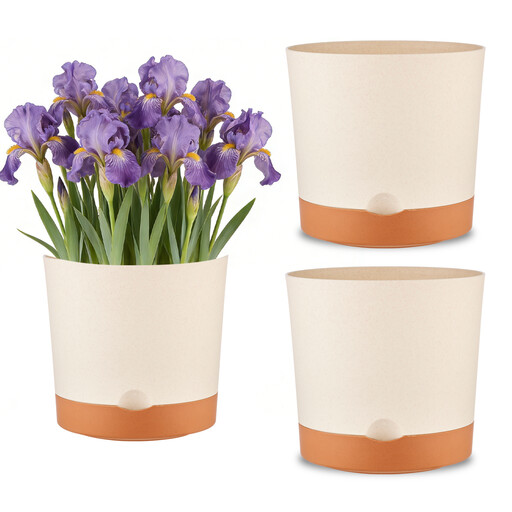
Why this choice suits this profile : This set of three 16.5 cm pots, supplied with saucers, offers a simple way to get started with herbs, houseplants or succulents on a windowsill, balcony or small patio.
The stated diameter helps you avoid choosing a container that is too large for small plants. The reservoir base and saucer also make it easier to manage water indoors.
A set of three matching containers with a 16.5 cm diameter, suitable for use both indoors and outdoors.
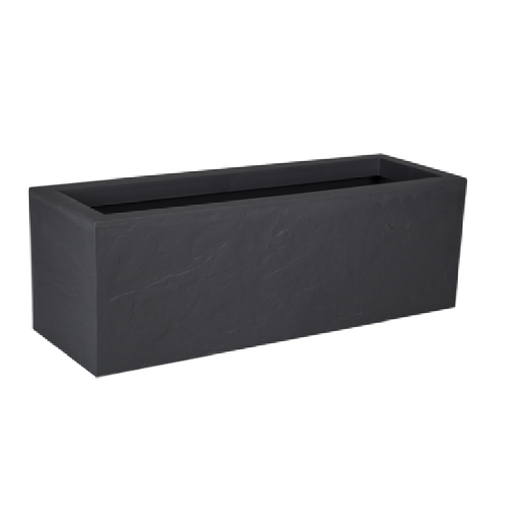
Why this choice suits this profile : With its 98 litre capacity and mineral appearance, this large planter is a natural fit for a well-designed patio, landscaped garden or the entrance to a home, where it can become a real decorative feature.
The capacity, dimensions of 99.5 × 39.5 × 43.5 cm and double-wall design are clearly specified. This is far more than a product listing that relies on appearance alone.
Integrated water reservoir, stated protection against frost and UV rays, 100 % recyclable material and made in France, according to the product listing.
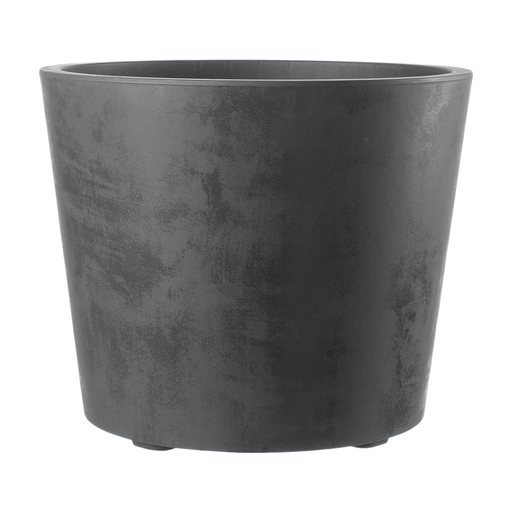
Why this choice suits this profile : This flower pot with castors is designed for anyone who regularly moves their plants to rearrange their interior, make cleaning easier or change their exposure to light.
The castors make it easier to move, while the removable lower plug lets you adjust water drainage according to how it is being used.
Reservoir, castors, removable drainage plug and material stated to be recycled and recyclable.
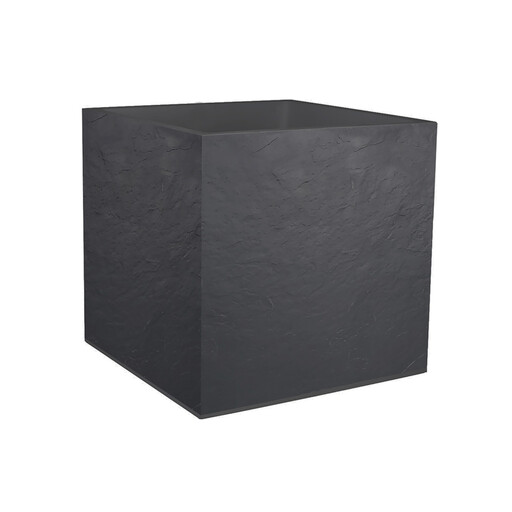
Why this choice suits this profile : With dimensions of 39.5 × 39.5 × 43.5 cm and a capacity of 31 l, this model is suitable for a patio or balcony with a clearly defined square space.
The capacity and dimensions are provided in detail, allowing you to check the exact footprint before buying. According to the product listing, the retention area is pre-drilled.
Double wall, beige stone-effect finish, stated frost and UV resistance, with a two-year guarantee indicated in the product listing.
We have put together a complete, real-time updated selection of products that meet these selection criteria as well as European safety regulations.
Before filling the container, place it on a stable surface and make sure the drainage holes remain accessible. Indoors, place a saucer or waterproof protector beneath the pot.
Outdoors, during winter, stated frost resistance does not mean that the most delicate plants do not need protection. On a patio, also avoid dragging a heavy container, particularly across a hard surface: you could damage both the pot and the flooring.
No. This type of container is mainly suitable for plants that benefit from consistent moisture. Cacti, some Mediterranean plants and species that are sensitive to excess water may sometimes prefer a pot with better drainage. Always check the specific needs of each variety.
Keep to the recommended maximum level, check the moisture of the compost regularly and empty excess water when the system allows this. The holes must remain clean and unobstructed. A water reservoir is not designed to remain permanently full without supervision.
The material may be described as frost- and UV-resistant, but the conditions of use also matter: exposure, water accumulation, weight and temperature fluctuations. Place the container on a stable surface, ensure effective drainage and protect plants that do not tolerate cold well.