
Livraison le jour même ou le lendemain

Qualité garantie

Débloquez vos offres de bienvenue: Livraison GRATUITE | Jusqu'à -80 % | 30 jours d'essai gratuits à JoyPlus
Téléchargez l'application
A planter and trellis for plants can transform a balcony, terrace or vegetable patch – provided you match each element to the available space and the weight of your crops. A planter that is too light risks tipping over, while an undersized trellis may buckle under the weight of tomatoes or well-established climbing plants.
Before you place an order, three common mistakes keep cropping up:
For a balcony planter, the length and depth must match your railing or the floor space available. At roughly 60 cm long and with a 25-litre capacity, a model like the EDA Volcania Up planter is suitable for flowers and moderate-sized plantings.
On a terrace or in a garden, a large-format planter offers far more possibilities. A 98-litre flower container can accommodate houseplants, shrubs, small fruit trees or a generous floral arrangement. Bear in mind, though, that the total weight depends on the soil, water and plants. Always place the container on a stable surface and check the load your balcony or support can handle.
A planter with a water reservoir allows you to space out waterings, which is handy during hot spells or short absences. That does not mean the plant should sit in water permanently. Check that the drainage holes are not blocked and regularly drain any excess water if needed.
A double-walled planter offers a more stable structure and can help reduce temperature fluctuations around the substrate. The Volcania range uses this principle, with an integrated water retention zone on certain models. For outdoor installation, also remember to check the UV protection and frost resistance in the technical specifications.
A trellis for climbing plants should be chosen based on the weight of the plants and how they grow. Pea or bean stems do not put the same strain on a support as tomato plants laden with fruit.
A support net for the vegetable patch is usually fixed between stakes, either vertically or horizontally. For a net intended for tomatoes and vegetables, look at the mesh size, tear resistance and ease of storage. A trellis size of 2 × 20 m works well for long rows or several growing areas, provided you use stakes that are sufficiently spaced and firmly anchored.
Polypropylene is particularly appealing for its light weight and resistance to rust. However, you should remove plant debris at the end of the season, then store the net in a dry place.
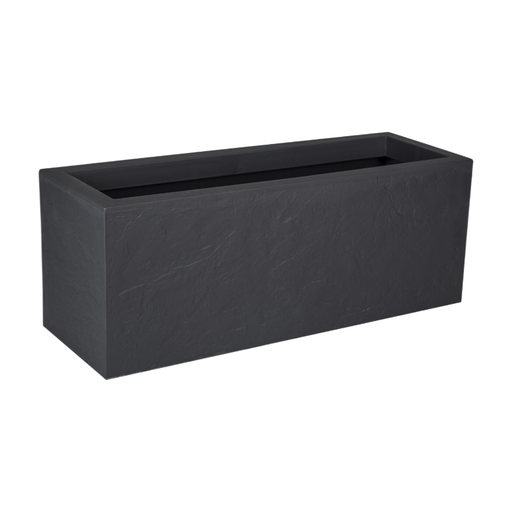
Why this choice suits this profile: With dimensions of roughly 59 × 19.5 × 22.8 cm and a 25-litre capacity, this model fits more easily on a balcony or small terrace than a much bulkier container.
Its water retention zone and double-walled design limit problems linked to irregular watering and overly thin walls.
Integrated water reservoir, imitation stone finish with a trompe-l’œil rim effect, and no assembly required.
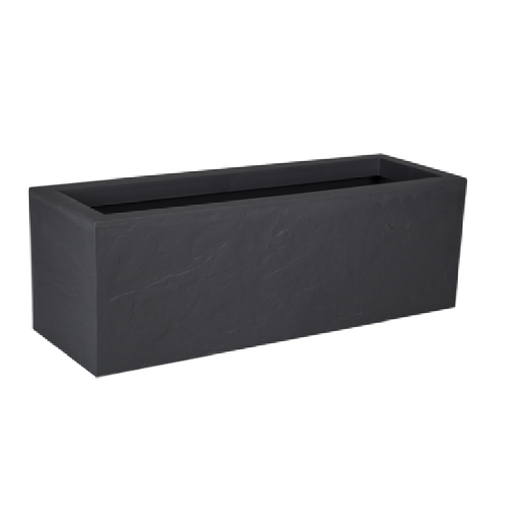
Why this choice suits this profile: Its size of 99.5 × 39.5 × 43.5 cm is ideal for those who want to structure a terrace, separate two areas or create a generous plant arrangement.
The double wall, water retention system and details on UV and frost protection prevent nasty surprises outdoors.
98-litre capacity, stone-effect finish, claimed 100% recyclable design and Origine France Garantie certification stated by the manufacturer.
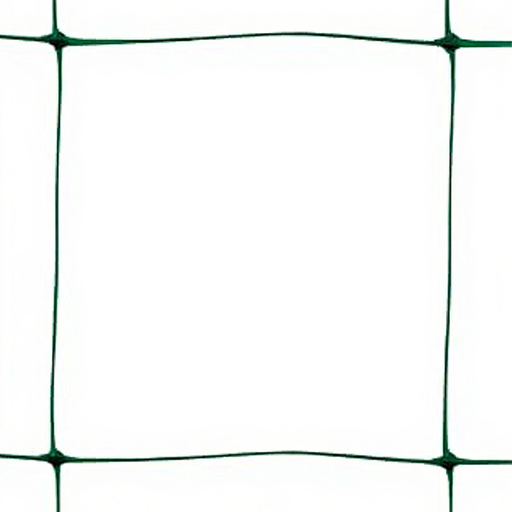
Why this choice suits this profile: This roll is ideal for vegetable patches, long rows of crops and tomato, cucumber, pea or bean plants that need support spread across their entire length.
Its wide mesh and polypropylene construction mean you are not reliant on a metal structure vulnerable to rust.
2 × 20 m size, vertical or horizontal installation, lightweight material that is reusable after cleaning and drying.
We have put together a comprehensive, real-time updated selection of products that meet these demanding criteria and European safety standards.
For a planter, spread the substrate evenly without exceeding the load-bearing capacity of the support. On a balcony, avoid grouping several heavy containers in the same spot until you have checked the strength of the structure. Indoors, a saucer or tray will effectively protect the floor from drips.
For a support intended for climbing plants, drive in or fix the stakes before the plants get too big. Leave a slight gap between the net and the wall to encourage air circulation. After harvesting, remove the stems, rinse the net if necessary, then let it dry completely before storing it away.
Start by measuring the available length and check the permitted depth. A 25-litre model can work for flowers and moderate plantings, while a 98-litre container needs a stable surface and careful consideration of the weight once filled.
No. It allows you to space out waterings, but the needs vary depending on the plant, temperature, sunlight and substrate. Check the soil moisture regularly and make sure the drainage is working properly.
Use a suitable net, for example a 2 × 20 m trellis, fixed to sturdy stakes. Gradually tie the stems or guide them through the mesh without squeezing them. The stability of the structure is just as important as the strength of the net.