
Livraison le jour même ou le lendemain

Qualité garantie

Débloquez vos offres de bienvenue: Livraison GRATUITE | Jusqu'à -80 % | 30 jours d'essai gratuits à JoyPlus
Téléchargez l'application
A poorly chosen tie can mark a stem, loosen after a few weeks or eventually constrict it as the plant grows. In the vegetable garden, greenhouse or on a balcony, plant ties should therefore be selected according to stem diameter, support type and maintenance frequency.
Product listings do not always make comparison easy. A green colour does not necessarily guarantee a discreet appearance, while the word “reusable” does not always indicate how many cycles a tie can withstand. Here are the criteria to check before buying plant support ties, along with a selection suited to different uses.
15 cm plant ties are suitable for many young stems, but they cannot replace a long cord when several points need to be secured to a trellis. A tie that is too short can restrict the plant’s movement or make tying awkward.
Conversely, a tie that is too long may create a cumbersome loop. Before ordering, measure the distance between the stem and the support, then allow enough extra length to form a loose loop without tightening it.
A tie should hold the plant against its support without cutting into the bark or compressing the stem. Rigid or very thin models can cause problems as the plant thickens.
Choose a flexible material and check the attachment points regularly. Even reusable plant ties need to be loosened or repositioned as the plant grows.
A cord designed for a humid greenhouse will not necessarily be suitable for prolonged outdoor exposure. Moisture, ultraviolet rays, friction against the support and the weight of fruit can all accelerate wear.
Where possible, the product listing should specify the material, length, quantity and conditions of use. When the material is not stated, avoid inferring its strength or service life from its appearance.
For seedlings, tomato stems, rose bushes or climbing plants, choose a tie that distributes pressure across a sufficiently wide area. A flexible loop reduces pressure points and better accommodates the plant’s natural movement.
Plant support ties should also remain easy to handle while wearing gardening gloves. A system that can be opened, moved and closed again quickly is especially convenient during pruning or training.
A 15 cm length is a versatile format for securing a stem to a stake, grid or wire. Also check the number of units in the pack. A 26-piece pack may be suitable for a few potted plants or a small row of vegetables, while a long cord is better suited to a large number of attachment points.
To estimate your requirements, allow one tie per support point, then add a few extras to replace ties that may be lost or repositioned.
Green generally blends into foliage and supports of the same colour. A natural or brown shade is better suited to wooden structures or decorative cord. This is primarily a visual consideration: it says nothing about the material’s durability or quality.
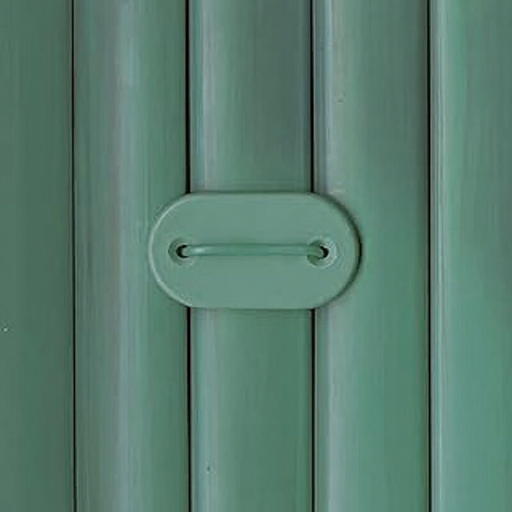
Why this model is a good fit: With 26 green 15 cm ties, this pack offers a straightforward solution for balcony plants, young shoots and small vegetable crops.
The format and quantity are clearly stated. The listing also advises against tightening the ties and recommends adjusting them as the stems thicken.
26 pieces, 15 cm length, green colour and the option to reposition them as the tie wears.
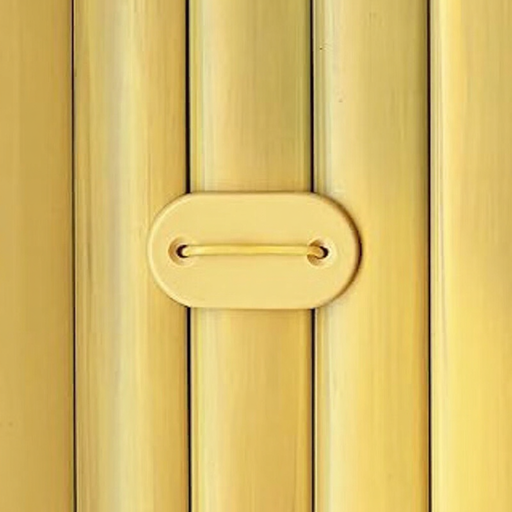
Why this model is a good fit: Its natural tone complements wooden stakes, greenhouse structures and arrangements where a discreet appearance matters.
The listing describes a flexible synthetic material that imitates natural reed. It should therefore not be mistaken for a tie made from genuine cane.
26 ties measuring 15 cm, stated flexibility and a natural tone for stems, shrubs and climbing plants.
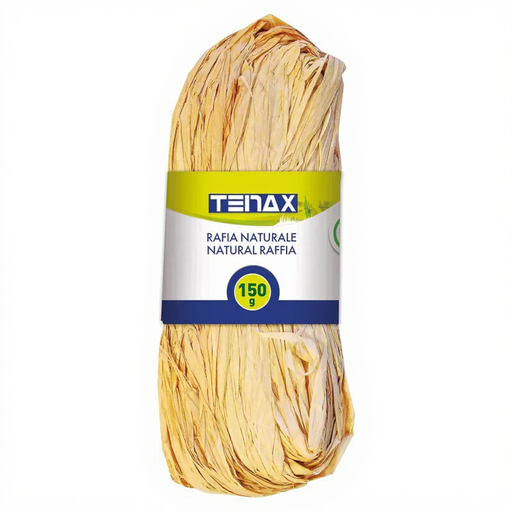
Why this model is a good fit: The roll can be cut to the required length for numerous attachment points, making it especially useful for climbing plants, shrubs and large-scale growing.
The approximately 5 mm width is clearly stated, making it possible to choose a tie that is not overly thin. It is still essential to leave some slack around the stems.
Raffia fibre described as 100% natural, 150 g weight, approximately 5 mm width and a brown tone.
For supporting stems and shrubs, distribute the ties across the full height of the plant. A single attachment concentrates the weight and can throw the stem off balance. Natural cords may also deteriorate more quickly in consistently damp conditions, so store any leftovers somewhere dry between seasons.
We have brought together an up-to-date selection of products for comparing ties, cords and fasteners suited to different gardening tasks.
A 15 cm length is often suitable for connecting a young stem to a nearby stake. For a distant trellis, multiple branches or dense planting, a cut-to-length cord offers greater flexibility. Always measure the distance between the plant and the structure before ordering.
Do not tighten it directly around the stem. Form a loop with a little slack and check it regularly as the plant develops. Flexible ties and sufficiently wide cords distribute pressure more effectively than thin wire or rigid ties.
It depends on the material, exposure to sunlight, moisture and handling. Remove the ties at the end of the season, clean them if necessary and check that they remain flexible before reusing them. A tie that is misshapen or brittle should be replaced rather than tightened around a stem.