
Livraison le jour même ou le lendemain

Qualité garantie

Débloquez vos offres de bienvenue: Livraison GRATUITE | Jusqu'à -80 % | 30 jours d'essai gratuits à JoyPlus
Téléchargez l'application
As the Head of Product Curation at Joybuy, I see countless home and garden items every day. One thing is certain: the right plant stand is more than just an accessory. It can transform a simple pot into a decorative centrepiece or even boost your plants' growth. Conversely, a poor choice guarantees frustration and wasted money.
Before you take the plunge, let's review the most common pitfalls. Too often, we're seduced by a sleek design in a photo, overlooking practicality. The result: a purchase you'll regret, completely unsuited for its intended use.
Recognising these pitfalls is the first step toward a smart purchase that will enhance your interior and care for your plants for years to come.
To avoid any disappointment, focus on a few simple yet crucial technical points. They are your guarantee for the longevity of your stand and the well-being of your plants.
The choice of material goes far beyond aesthetics. It primarily depends on where you plan to place it.
Let's not forget the essential: a stand is, above all, a tool. Its design must serve the plant.
Because every green thumb has unique needs, here is our selection of products that tick all the boxes for quality and practicality.
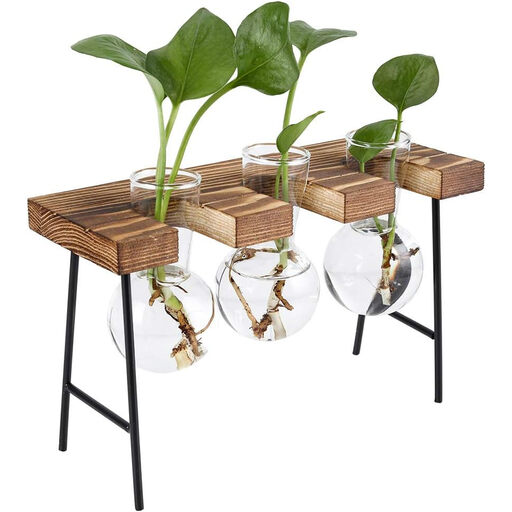
Why it's a match for this profile: Ideal for adding a touch of green to a desk or shelf without breaking the bank. Its compact footprint is perfect for small spaces and for starting your water propagation journey in style.
This product is designed for a specific, lightweight use (cuttings, air plants). The risk of overloading or instability is therefore eliminated, unlike a generic stand used for a heavy pot.
It combines the warm aesthetic of wood with the transparency of glass. It's as decorative as it is functional, perfect for watching your cuttings take root.
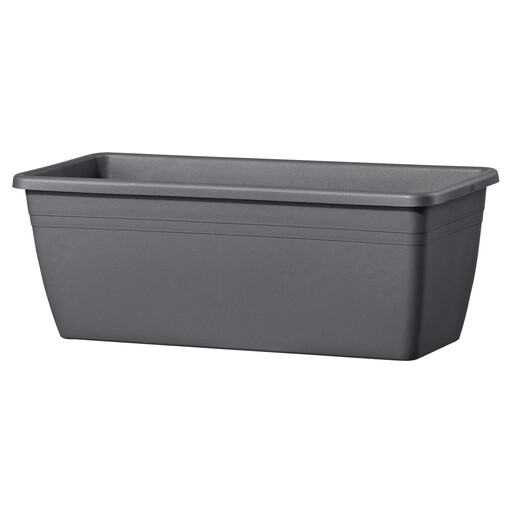
Why it's a match for this profile: For those seeking a durable, high-performance solution for their balcony or patio. Its recycled material construction and weather resistance tick the boxes for both quality and responsible consumption.
It avoids the classic pitfalls of the wrong material and lack of drainage. Designed for the outdoors, it is frost and UV-resistant, and its integrated drainage hole prevents root suffocation.
Made in France from recycled and recyclable materials, it combines robustness (frost and UV resistance) with smart design (drainage).
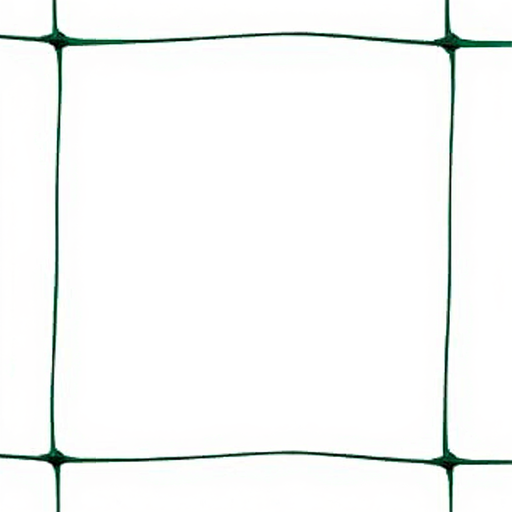
Why it's a match for this profile: The essential tool for the gardener who thinks big: supporting tomato, cucumber, or bean plants, or creating a living wall. A functional product designed for efficiency and yield.
This netting ends the headache of individual stakes that buckle under the weight of vegetables. Its polypropylene structure is designed to support a heavy load and withstand the elements.
It offers a large support area (2x20 m), excellent tear resistance, and can be reused for several seasons. This makes it a quickly returned investment for any vegetable garden.
Explore our complete, up-to-date selection of products vetted by our experts using the same strict criteria.
The golden rule is stability: the base of the stand should be at least as wide as the pot's diameter, or even wider for tall plants. Also, consider the plant's future growth. A stand that seems large today might be perfect in a year.
Absolutely. It's one of the most common causes of death for indoor plants. Water stagnating at the bottom of the pot suffocates the roots. If you're set on an undrilled pot for its aesthetic, use it as a cachepot. Place your plant in a plastic pot with drainage holes, then slip that entire assembly into the cachepot. You can add a layer of clay pebbles at the bottom to elevate the inner pot and prevent it from sitting in water.
A wooden stand exposed to rain and sun requires a little attention to last through the seasons. If it's not made of treated wood (e.g., pressure-treated), it's advisable to apply a coat of stain, linseed oil, or marine varnish once a year. This treatment will protect it from moisture, fungi, and discolouration from UV rays.