
Livraison le jour même ou le lendemain

Qualité garantie

Débloquez vos offres de bienvenue: Livraison GRATUITE | Jusqu'à -80 % | 30 jours d'essai gratuits à JoyPlus
Téléchargez l'application
Whether you're an athlete looking to optimise your recovery, following a vegan diet, or simply seeking a nutritious alternative to dairy, plant-based protein powder has become an essential staple. But with an overwhelming number of options on the market, it can be difficult to sort through them all.
This guide is here to help you gain clarity, decode labels, and choose the right product for your needs, whether for athletic performance or daily use.
Before you dive in, here are the key factors to consider to find the powder that best suits your needs.
Plant-based proteins come from various sources, each with its own unique properties:
Rule of thumb: a short ingredient list is often a good sign. Watch out for added sugars, artificial sweeteners, and unnecessary additives. If you're aiming for purity, an unsweetened soy milk or an unflavoured powder is an excellent choice. The protein content (usually listed per 100g) is another key criterion, especially if you have athletic goals.
Your goal will directly guide your choice.
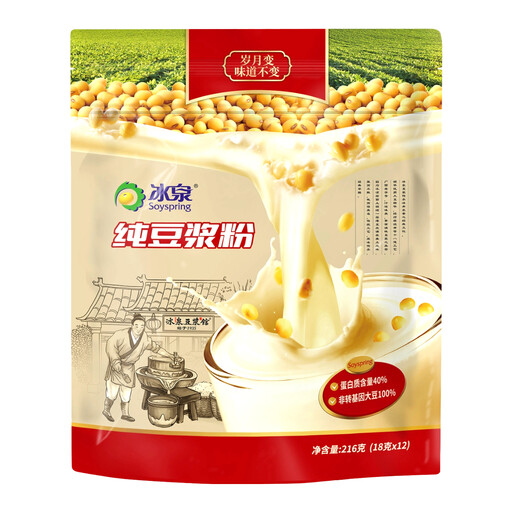
What sets it apart: Simplicity and purity. This product is made from 100% soybeans, with no additives or preservatives. Its individual sachet format makes it incredibly convenient for on-the-go use or for precise dosing.
Highlights:
Who is it for? Ideal for those looking for a simple and healthy powdered milk substitute for daily use. It's the perfect base for smoothies, porridge, or simply as a nutritious breakfast drink.
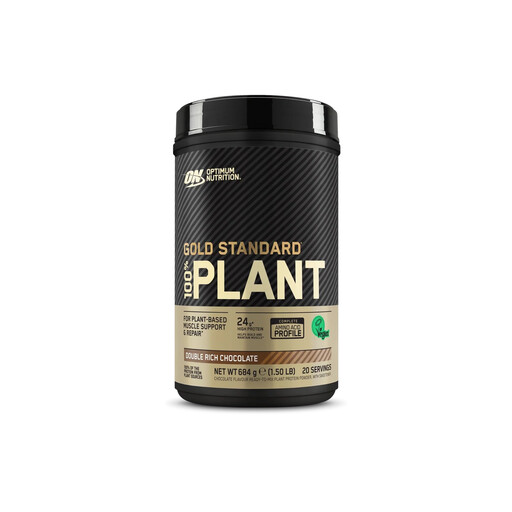
What sets it apart: Engineered for athletes, this product combines pea and rice proteins for a complete essential amino acid profile. The formula is fortified with vitamins C and B12, and is free from artificial colours or flavours.
Highlights:
Who is it for? The perfect ally for athletes and fitness enthusiasts who want a high-performance vegan bodybuilding protein option for pre- or post-workout.
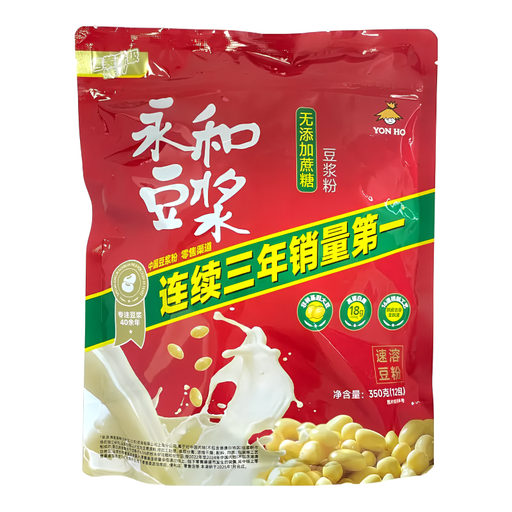
What sets it apart: This product focuses on an authentic soy taste and a rich texture. Note that while the label says "Unsweetened," the presence of malt syrup adds a touch of natural sweetness. Its 350g size makes it versatile for family use.
Highlights:
Who is it for? For lovers of authentic soy flavour who are looking for a versatile product for cooking or drinking, while still getting a good protein boost.
Our selection is just a starting point. The market is filled with other options to suit every taste, need, and budget.
Discover Our Full Range of Plant-Based Proteins
1. What is the difference between soy protein and pea protein? To put it simply: soy protein is considered "complete" because it contains all the essential amino acids. Pea protein, on the other hand, shines with its high content of BCAAs (leucine, isoleucine, valine), which are crucial for muscle building. Its only minor drawback is its low methionine content, which is why it's often combined with rice protein in athletes' shakers to create a perfect profile.
2. Can you consume plant-based protein powder every day? Yes, absolutely. A plant-based protein powder fits perfectly into a balanced daily diet. It's an ideal supplement to help you meet your daily intake goals, especially for athletes or those following a vegan diet. The key is to continue to vary your protein sources for overall balance.
3. Is plant-based protein as effective as whey for muscle building? That's the big debate! Recent studies are clear: a high-quality plant-based protein (like a pea-rice blend or soy) with a complete amino acid profile easily rivals whey (milk-serum protein) in stimulating muscle protein synthesis after a workout. Ultimately, the choice comes down to your personal preferences, digestion, and values.