
Livraison le jour même ou le lendemain

Qualité garantie

Débloquez vos offres de bienvenue: Livraison GRATUITE | Jusqu'à -80 % | 30 jours d'essai gratuits à JoyPlus
Téléchargez l'application
Plant-based foods and drinks are becoming increasingly popular in British kitchens. Plant-based milk at breakfast, oat milk in your coffee, almond milk for cooking, or a meat alternative to whip up a quick meal – the possibilities are endless. But the packaging alone doesn't always help you make the right choice.
Some mistakes are particularly common:
Start by looking at the ingredients list, which is presented in descending order of quantity. An oat milk may contain around 10% oats, while an almond drink sometimes contains far less. This proportion affects the taste, texture and how it performs in cooking, though it alone isn't enough to judge the overall quality of the product.
Also check the mandatory allergen information. A soya drink is obviously unsuitable for anyone with a soya allergy, even if it's lactose-free. Oats and wheat may also contain gluten or present a risk of cross-contamination, depending on what the packaging says.
If you follow a vegetarian or vegan diet, look for the relevant label but still check the ingredients list. Plant-based nuggets and plant-based tenders may contain wheat protein, flavourings, egg or additives designed to improve their texture.
Compare the nutritional values per 100ml or 100g rather than those given per serving, as serving sizes can vary from one product to another. Here are a few useful benchmarks:
A drink designed for coffee won't necessarily have the same profile as one intended to be enjoyed on its own. In everyday use, taste, digestibility and how well it fits with your diet matter at least as much as the numbers on the label.
A barista plant-based drink is typically designed to be heated and frothed. It will often work better for a cappuccino or latte than a standard drink, provided you follow the temperature recommendations. Alpro Oat Barista, for example, recommends frothing at a maximum of 65°C, then storing in the fridge after opening.
For frozen products, check that the cold chain has been maintained and make sure you have enough freezer space. Plant-based nuggets and tenders are often cooked in the oven, frying pan or air fryer, but the exact cooking time depends on the product and the appliance you're using.
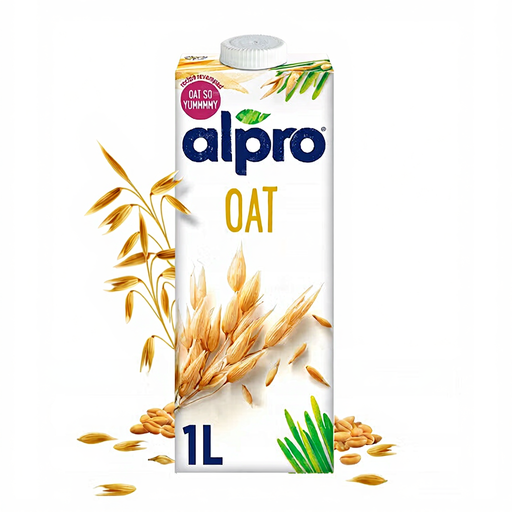
Why this choice suits this profile: This plant-based drink works well for breakfast, with cereal, and in sweet or savoury recipes. Its one-litre format lets you start simply, without stocking multiple products.
The product page states the presence of oats, the absence of lactose and dairy, and no added sugars. However, the oat/gluten allergen must be taken into account.
59kcal per 100ml, with calcium and vitamins B2, B12 and D2 as stated by the manufacturer.
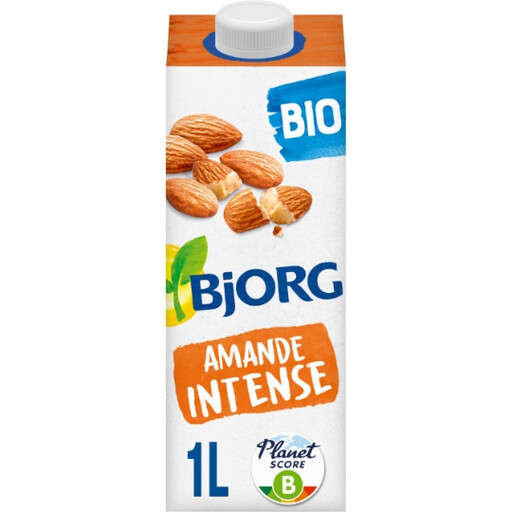
Why this choice suits this profile: This drink offers a more pronounced almond flavour. Enjoy it at breakfast, in a hot drink or as part of a recipe.
The product page states a 7% almond content, the one-litre format and storage conditions after opening. However, the tree nut allergen must be taken into account.
An organic product with 61kcal and 1.2g of protein per 100ml, according to the information provided.
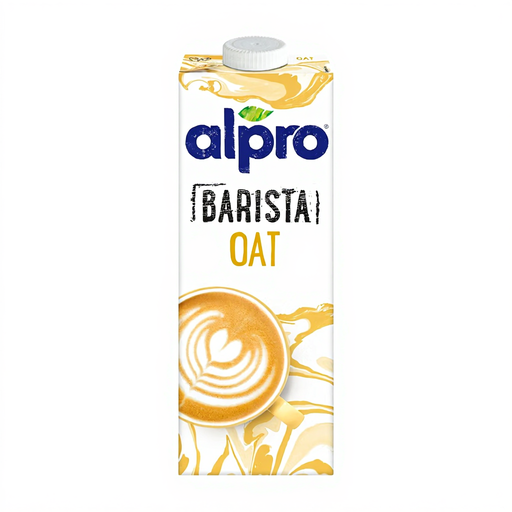
Why this choice suits this profile: This format is designed for people who regularly make coffees with foam, at home or in a small professional setting.
The maximum temperature and storage duration after opening are clearly stated. This helps prevent texture issues and waste.
No added sugars according to the product page, with 3g of fat and 0.8g of protein per 100ml.
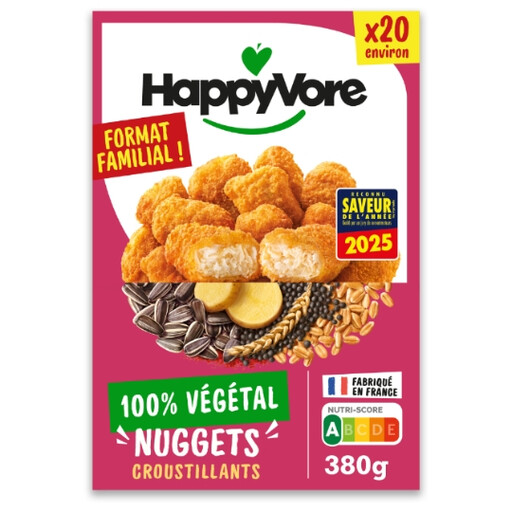
Why this choice suits this profile: The 20 pieces can be served with vegetables or chips, or used in a wrap or salad. They can be cooked in the oven, frying pan or air fryer.
The weight, number of nuggets, allergens and freezer storage are all stated. The product is suitable for vegetarians, but its wheat content must be taken into account.
6.5g of fibre and 9.2g of protein per 100g, according to the product page data.
We've put together a comprehensive, real-time list of products that fully meet these strict selection criteria and European safety regulations.
For a more stable foam, go for a barista plant-based drink and follow the temperature stated on the packaging. Barista oat milk generally gives a smooth, creamy texture, while soya offers a higher protein profile. Almond milk can work if you're after a nutty flavour, but it's often less impressive on the protein front.
The term "plant-based" generally describes a product made from plants, but you need to check the full recipe. A product can easily contain egg or a dairy ingredient. When present and accurate, the "vegan" label means the product contains no animal-derived ingredients. To be absolutely sure, the label is still the only reliable reference.
The storage time depends on the product. Many brands recommend keeping the drink in the fridge and consuming it within four to five days of opening. Seal the carton carefully, keep it at the stated temperature, and always follow the date and instructions on the packaging.