
Livraison le jour même ou le lendemain

Qualité garantie

Débloquez vos offres de bienvenue: Livraison GRATUITE | Jusqu'à -80 % | 30 jours d'essai gratuits à JoyPlus
Téléchargez l'application
A plant-based cat litter can help reduce dust, simplify cleaning and cut down on the use of mineral materials. But marketing claims alone aren't enough to determine which product best suits your home, your cat and your budget.
Tofu litter, tapioca pellets, plant blends or traditional clumping litter – several details can make a real difference to your daily routine. Here are the criteria to consider before buying, along with a selection of products suited to different needs.
A biodegradable cat litter isn't automatically safe for your drains. Its composition, the size of the clumps and your local waste-water regulations all need to be taken into account.
Even when a product is marketed as "flushable", it's best to check the label and local guidelines, then only flush very small amounts. Large clumped blocks can cause blockages. If the manufacturer advises against flushing the litter, use a sealed bag and follow your local council's waste sorting or collection rules.
The level of dust varies depending on the material, grain size, transport and how you pour the litter. A completely dust-free litter is hard to guarantee. Instead, look for a formula described as low-dust or reduced dust, then pour it slowly into a clean tray.
Fine particles can also cling to your cat's paws and get spread around the house. A mat placed in front of the tray will help to limit this.
A clumping cat litter needs to form a block that's firm enough to be removed without crumbling. If the clump sticks to the bottom of the tray or breaks apart when you scoop, some urine stays in the litter and bad smells develop more quickly.
The recommended depth is usually between 5 and 8 cm, depending on the product. A layer that's too thin won't absorb as well and increases the risk of clumps sticking to the tray base.
Tofu fibres, wheat, corn, cassava and tapioca are among the most common plant-based materials. Tapioca or cassava litter typically forms light clumps, while tofu fibres can appeal to those looking for a soft texture that's easy to handle.
Grain size also affects how well your cat takes to it. Fine grains feel more like sand but are more easily tracked out of the tray. Larger pellets may scatter less, though some cats are less keen on them.
Focus on the practical details: fill depth, how often to remove clumps, whether a full tray change is needed, and how the litter reacts to moisture. A good plant-based cat litter should let you remove soiled areas without having to throw away a large amount of clean litter.
In a multi-cat household, go for larger packs and aim for one tray per cat, plus an extra one if space allows. This setup helps prevent saturation and makes daily maintenance easier.
Plant fibres absorb some moisture, but they don't replace regular cleaning. Some formulas contain activated charcoal, plant fibres, bicarbonate or fragrance. If your cat is sensitive to added scents, an unscented version will often be easier to get them to accept.
An odour-control cat litter needs to be paired with daily removal of solids and clumps, good ventilation and regular washing of the tray with a mild cleaner.
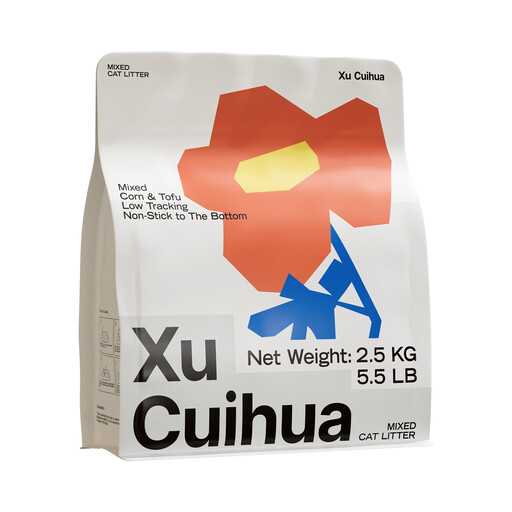
Why this suits this profile: Its 2.5kg size lets you try a tofu litter without taking up too much cupboard space. The fine texture may suit cats used to sand.
The product page states that only damp areas clump together and advises against flushing the blocks down the toilet.
Blend of tofu and plant materials, firm clumping, good claimed absorption and limited dust when pouring.
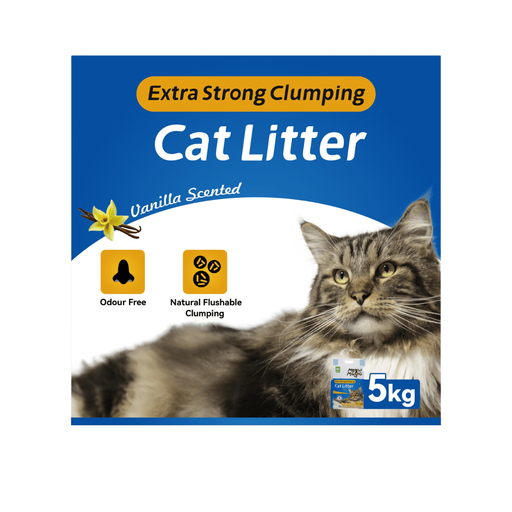
Why this suits this profile: The 5kg bag combines tofu fibres, reinforced clumping and odour control for a simpler daily routine.
The recommended depth of 5 to 7 cm and daily scooping are clearly stated. This helps avoid disappointing performance from a layer that's too thin.
Tofu fibres, low-dust formula, solid clumping and claimed suitability for composting or disposal under certain conditions.
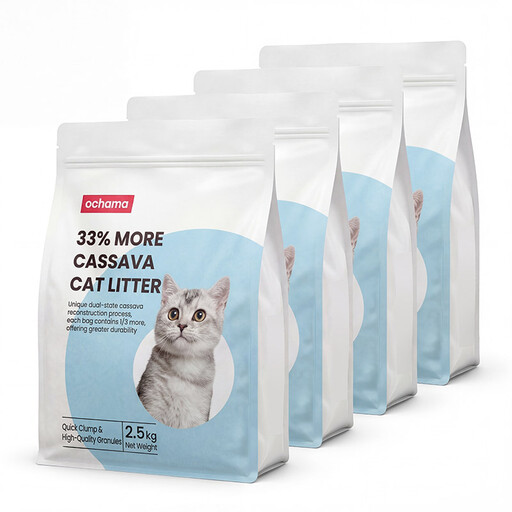
Why this suits this profile: The four-bag pack is ideal for multi-cat households or anyone wanting to stock up and shop less often.
The product page clearly states not to flush used litter down the toilet. This precaution helps avoid confusing plant material with drain compatibility.
Made from tapioca and plant fibres, grains claimed to be very low-dust, compact clumping and stated to be fragrance-free.
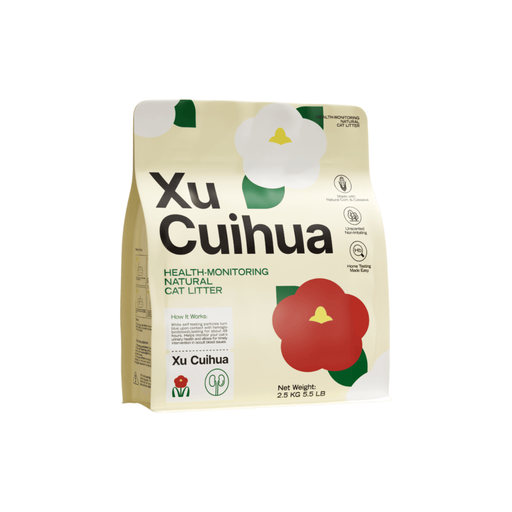
Why this suits this profile: According to the product description, indicator particles change colour. This can draw your attention during daily cleaning.
The product page reminds you that this is a screening tool, not a diagnosis. Any unusual colour should be checked by a vet.
Plant fibres, claimed fast clumping, low dust emission and the ability to monitor colour changes.
We've put together a comprehensive, regularly updated selection of products that meet these exacting criteria, in line with European safety regulations.
Most products recommend a layer of 5 to 8 cm. Always check the packaging, as the ideal depth depends on grain size and absorbency. An even layer helps clumps form properly and protects the bottom of the tray.
It depends on the bag weight, number of cats, tray type and cleaning frequency. For a single cat, daily removal of soiled areas and topping up can extend the lifespan. In a multi-cat household, consumption rises quickly – it's better to compare the price per kilogram than the price per pack.
Not always. Some products allow it under certain conditions, while others must go in the general waste. Check the instructions, the manufacturer's recommendations and your local drainage rules. When in doubt, don't flush the litter.