
Livraison le jour même ou le lendemain

Qualité garantie

Débloquez vos offres de bienvenue: Livraison GRATUITE | Jusqu'à -80 % | 30 jours d'essai gratuits à JoyPlus
Téléchargez l'application
A plant-based cat litter helps you cut down on mineral litters without compromising on absorption. Tofu, tapioca, cassava or cereal fibres – there’s no shortage of options, but not all are equal depending on your habits and those of your pet.
Before you place an order, three common confusions keep cropping up. A litter labelled as “biodegradable” isn’t necessarily compostable, nor compatible with the toilet. Likewise, the claim “dust-free” doesn’t always prevent particles from forming when you fill the tray. And finally, a litter described as having powerful clumping doesn’t guarantee clumps that are easy to remove – the depth of the tray and the setting time also play a part.
Tofu cat litter is typically made from plant fibres and binders. Tapioca or cassava litters rely more on cassava starch, sometimes supplemented with corn, plant fibres or sodium bicarbonate.
To compare two products, look closely at:
An absorbent cat litter should trap moisture around the soiled area. Daily cleaning becomes much simpler, and clean granules are less likely to be thrown away with the clumps.
A clumping litter forms a solid block on contact with urine. However, its clumping speed isn’t everything – if the clump sticks to the bottom of the tray or breaks apart as soon as you scoop it, cleaning quickly becomes a chore.
For a kitten, a dust-sensitive pet or a flat, look for a formula that clearly states low dust emission. Pour it slowly, in a well-ventilated room, and keep an eye on your cat’s behaviour during the transition period.
The grain size is also worth your attention. Fine granules feel closer to natural sand, which some cats may prefer, but they also tend to scatter more around the tray. A mat and a deep enough tray can help keep this minor annoyance in check.
An anti-odour litter may rely on activated charcoal, plant fibres or extracts, or even a naturally highly absorbent material. Also check whether it’s scented – some cats dislike artificial fragrances, while an unscented formula will often suit sensitive households better.
“Biodegradable”, “compostable” and “flushable” are not the same thing. The instructions depend on the product, your plumbing and local regulations. Even when the manufacturer allows flushing, only dispose of small amounts and check the recommendations from your local council or sewage network. When in doubt, throw the litter in the general waste, following local guidelines.
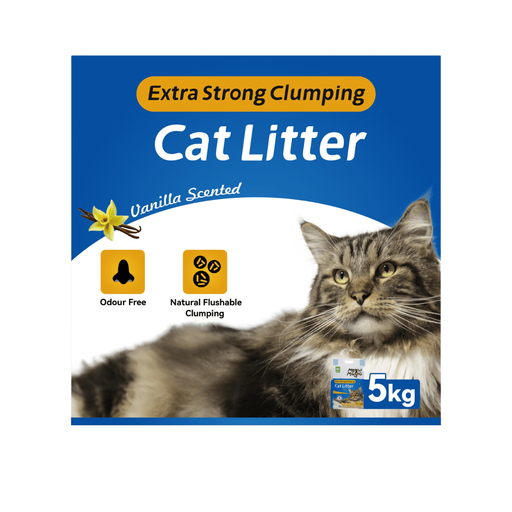
Why this choice suits this profile: With its 5 kg bag and tofu fibre formula, it lets you get started gradually without spending hours comparing products.
The listing states reinforced clumping and low dust emission. Flushability still needs to be confirmed against local regulations.
Plant-based tofu fibres, claimed odour control and a recommended depth of 5 to 7 cm.
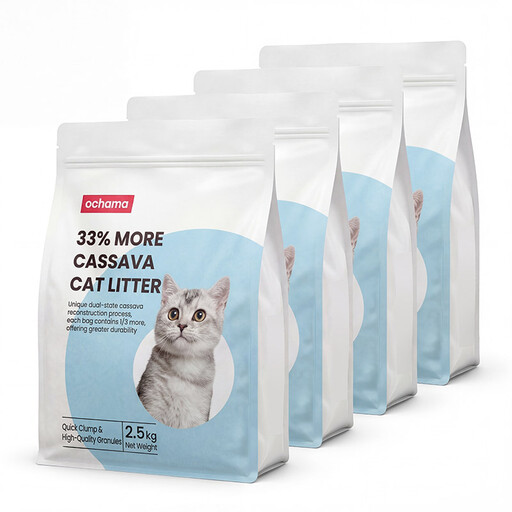
Why this choice suits this profile: The pack of four bags will appeal to those who want to stock up and enjoy an unscented tapioca texture.
The listing mentions an unscented, dye-free formula that produces very little dust. Waste must be disposed of in the bin, not flushed down the toilet.
Cassava and corn starch, claimed non-stick clumps and four bags of 2.5 kg.
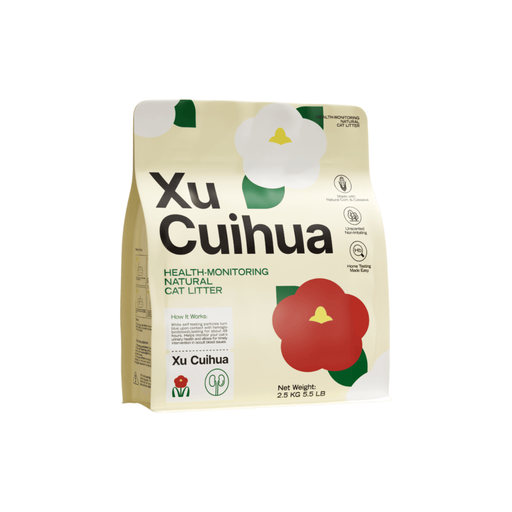
Why this choice suits this profile: Households that keep a close eye on the contents of the tray can follow the colour indicator shown on the product page.
The indicator is presented as a screening tool, not a medical diagnosis. The litter must not be flushed down the toilet.
Plant fibres, claimed compact clumps, 2.5 kg bag and the ability to observe a colour change.
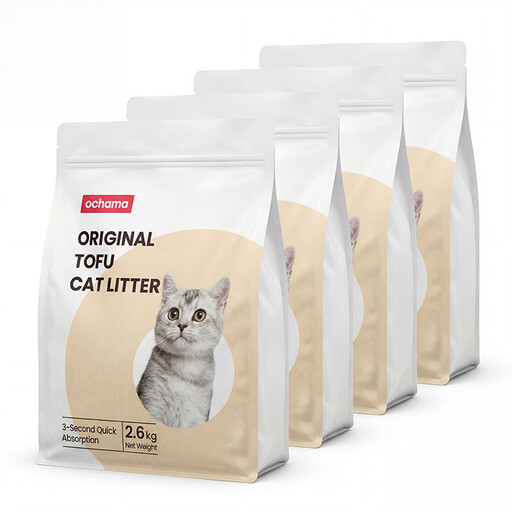
Why this choice suits this profile: With its claimed 2.0 mm granules and 10.4 kg pack, it’s suitable for regular use or a multi-cat household.
The formula is claimed to be dust-free and unscented. Flushing should only be done in small amounts and only if local regulations allow it.
Natural tofu, claimed absorption and clumping, and four bags of 2.6 kg.
We’ve put together a full selection, updated in real time, of products that meet these demanding criteria and European safety regulations.
To help your cat accept the change, gradually mix the new litter with the old one over several days. Place the tray in a quiet, dry and easily accessible spot. A layer of 5 to 8 cm is usually fine, but the recommendations on the packaging should take priority.
Remove faeces and clumps every day. When you do a full change, wash the tray with water and a mild detergent. Keep the bag tightly sealed in a dry place – moisture can cause clumping before use and reduce the litter’s performance.
A layer of 5 to 8 cm is generally recommended, depending on the product you choose. A large tray or a multi-cat household may need more litter, as well as more frequent cleaning.
Not always. Some products are labelled as flushable, while others must go in the general waste. Check the label, the manufacturer’s recommendations and your local sewage network rules. Never flush a large amount all at once.
It all depends on the bag weight, the number of cats, the size of the tray and how often you remove clumps. A multi-cat household will naturally use more. To work out the real cost, compare the price per kilogram and the amount you actually scoop out each day, rather than just looking at the price of the bag.