
Livraison le jour même ou le lendemain

Qualité garantie

Débloquez vos offres de bienvenue: Livraison GRATUITE | Jusqu'à -80 % | 30 jours d'essai gratuits à JoyPlus
Téléchargez l'application
Choosing your cat's litter? It seems like child's play, on the surface. But switching to a plant-based cat litter can quickly turn into a headache. Drawn in by the promise of a more eco-friendly product, many owners are disappointed by litters that fail to control odours, maintain cleanliness, or are simply impractical. To avoid falling for the hype, here are the marketing traps you need to know.
Here are the 3 mistakes to avoid:
Forget the marketing slogans and focus on what matters. Here are the three technical points to scrutinise before you head to the checkout.
A good natural clumping litter must form ultra-compact blocks on contact with urine. The benefit? You only remove the 'gifts' and the clumps, leaving the rest of the box pristine. It's cleaner, faster, and above all, much more economical in the long run.
The term 'eco-friendly litter' is a bit of a catch-all. A biodegradable cat litter is good. Knowing what to do with it once it's soiled is even better.
The size and shape of the granules have a direct impact on two daily nuisances: dust and litter tracking throughout the house.
Enough with the endless lists! We've selected specific products for concrete needs. The goal: to help you find THE litter that matches your lifestyle and your cat's demands.
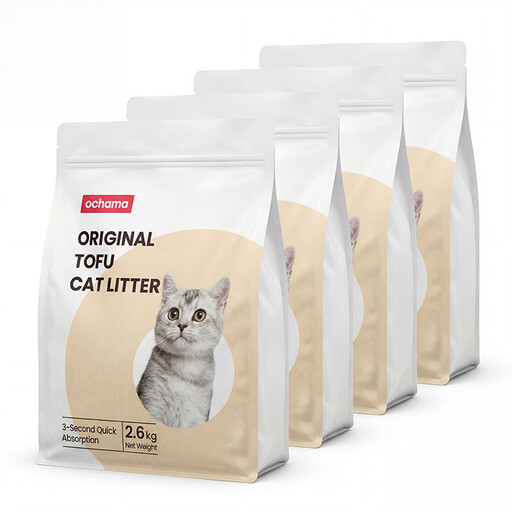
Why we chose it: Perfect for apartment life, this tofu litter is all about convenience. Its format of several small bags is easy to store, and its formula is designed for express cleaning. A real plus when living in a limited space.
It tackles the 'flushable' trap with a formula designed to dissolve well. The golden rule remains the same: flush clumps little by little.
2.0 mm granules: the ideal compromise between comfort and low tracking. Virtually dust-free formula for healthier air at home.
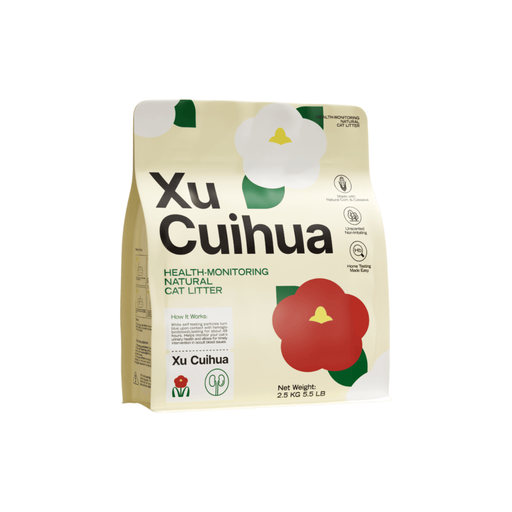
Why we chose it: For owners who won't compromise on their pet's health. This litter doesn't just clean; it monitors. A particularly wise choice for older cats or those prone to urinary tract infections.
It solves the dust problem with a very low-particle formula, ideal for sensitive respiratory systems. Above all, it proves that a 'natural' litter can offer a real technological advantage.
Occult blood indicator: special particles turn blue on contact with traces of blood in the urine, acting as an early warning system. High-performance clumping for easy maintenance.
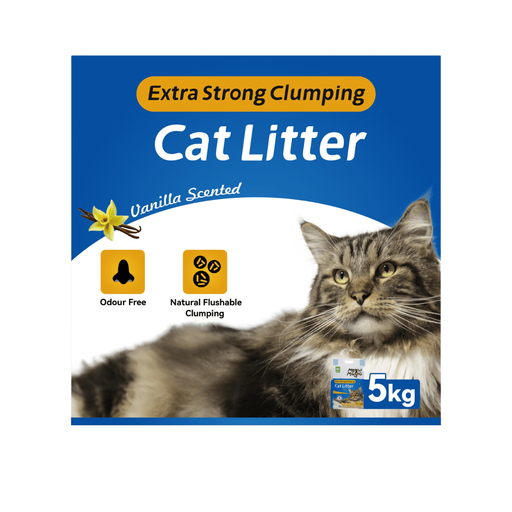
Why we chose it: For those who want the best of both worlds: a truly ecological solution that sacrifices nothing on performance. It combines a biodegradable composition with formidable effectiveness in clumping and odour control.
It shatters the 'natural but not effective' cliché. By focusing on ultra-powerful clumping, it ensures simple cleanup and excellent odour blocking. Proof that ecology and efficiency are not mutually exclusive.
Enhanced odour control: its formula is specially designed to actively neutralise ammonia. Biodegradable and compostable for a minimal ecological footprint.
Discover our complete selection of plant-based litters, all tested and approved according to our strict performance and safety criteria.
To avoid upsetting your cat, the transition should be gradual. The secret is mixing. Start by adding 25% of the new litter to 75% of the old one. Over one to two weeks, gradually increase the proportion of the plant-based litter until you have completely replaced the old one.
It all depends on its clumping power. A quality natural clumping litter is often more economical to use. Since you only remove the clumps and solid waste, the rest of the box stays clean. As a result, you change the entire litter box much less frequently.
Only if the package explicitly states 'flushable' or 'safe to flush'. Even then, extreme caution is necessary. The golden rule: flush clumps one by one, or in very small quantities, to avoid clogging your pipes. Also, be sure to check your local regulations, as some municipalities prohibit this practice. When in doubt, the regular trash bin is the safest option.