
Livraison le jour même ou le lendemain

Qualité garantie

Débloquez vos offres de bienvenue: Livraison GRATUITE | Jusqu'à -80 % | 30 jours d'essai gratuits à JoyPlus
Téléchargez l'application
Choosing a diary sounds simple… until you end up with boxes that are too small, a model that’s impossible to carry, or pages that go unused. A student, a remote worker, a professional who’s always on the go, and someone juggling multiple projects all need different things from their organisational tool.
Before buying a diary or planner, it’s worth looking beyond the cover and the number of pages. Format, layout, paper, binding and the period covered – these are the criteria to examine if you want to avoid an impractical purchase and find a model that will genuinely support you day in, day out.
A colourful cover, a few accessories or a well-known brand can make a good first impression. But nothing beats a layout that suits the way you organise yourself. A daily diary gives you plenty of space to detail each day, while a weekly model lets you quickly see upcoming appointments and deadlines.
The right choice depends mainly on how much information you need to jot down. If your diary is mostly for noting a few appointments, a weekly view will often be enough. If you’re recording lists, meeting notes or detailed tasks, it’s better to go for more space.
A large format makes writing easier, but it soon takes up all the room in your bag. On the other hand, a small notebook can become frustrating to use if the boxes are too narrow or if you write a lot.
The A5 format – roughly 14.8 × 21 cm – remains a very common compromise: spacious enough to write comfortably, yet still easy to carry around.
A dated diary is handy when your schedule follows a well-defined period. But you do need to check its start and end dates before buying. An undated planner offers much more freedom: you can start it partway through the year, set it aside during holidays, or use it for a project spanning several months.
However, do look at what the inner structure actually contains: monthly pages, weekly spreads, note sections, goal tracking or to-do lists. An undated planner is only worthwhile if its layout matches your organisational method.
The best format is the one that gives you enough space for your needs without becoming bulky. A diary that stays at home because it’s too heavy won’t be much use to you day to day.
The gsm tells you about the paper’s thickness, but it doesn’t determine writing comfort on its own. The texture, the stiffness of the pages and the quality of the binding also play an important role.
The Jubiluu A5, for example, uses an off-white offset paper of 100 gsm, paired with a hard cover, an elastic closure and a ribbon bookmark. The Moleskine models featured here use an ivory paper of 70 gsm, an elastic closure and a binding designed to lie flat when open.
A PVC cover can be useful for school or professional use: it protects the outside of the diary effectively against scuffs and minor spills. It doesn’t make the pages waterproof, though. If you carry it every day, it’s best to avoid leaving the diary at the bottom of a damp bag.
Erasable gel pens are particularly handy when you often change your appointments or schedule. A 0.5 mm tip works well for small boxes and precise writing. With a 0.7 mm tip, the line is thicker and generally more comfortable for quick notes or larger writing areas.
Their thermosensitive ink erases through friction. Because it reacts to heat, avoid exposing the annotated pages to high temperatures. Before filling in an important diary, test the pen on a similar page to check the appearance, drying time and erasing quality.
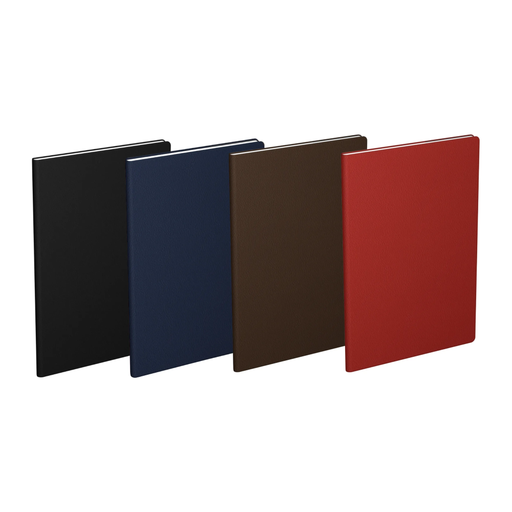
Why this choice suits this profile: Its 21 × 27 cm format lets you see the week at a glance and leaves plenty of room for classes, appointments and everyday tasks.
Its weekly layout stops you paying for daily pages that would stay blank when the information you need to note is concise.
PVC cover, spacious format, weekly layout and four assorted colours.
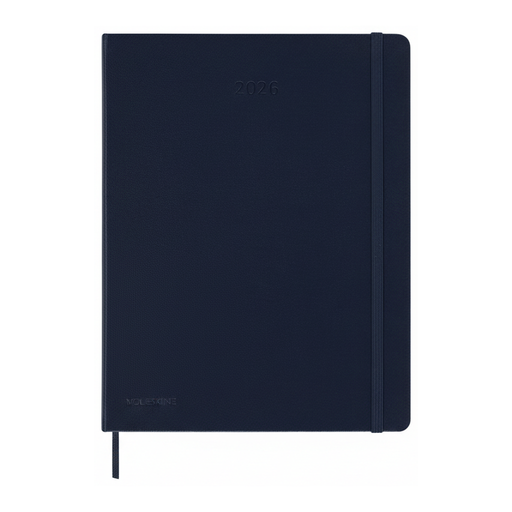
Why this choice suits this profile: It combines a weekly layout with note pages and dedicated sections for goals, ideas and travel.
The product page clearly states the period covered and the type of layout, which prevents unpleasant surprises from a description that’s too vague.
Hard cover, elastic closure, expandable inner pocket, ribbon bookmark and 70 gsm ivory paper.
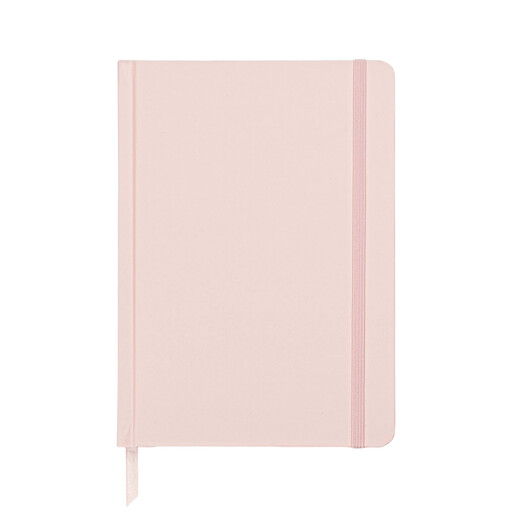
Why this choice suits this profile: Its undated structure adapts to long projects, remote work, studies and periods when your organisational rhythm changes regularly.
It doesn’t impose any pre-printed dates: no pages are wasted if you take a break or change your schedule.
A5 format, 224 pages, 100 gsm offset paper, undated monthly and weekly views, and a hard cover.
We’ve put together a complete, real-time updated selection of products that meet these criteria, while also taking European safety regulations into account.
If you often correct your schedule, a pack of erasable pens in 0.5 mm works well for small boxes and precise annotations. The M&G models, available in packs of six or twelve, let you keep several on hand. The 0.7 mm versions offer a smoother writing experience, which is nice for detailed notes, homework or a daily journal.
Remember to check the ink colour, the tip type and whether the pen has a cap or a retractable mechanism. If the diary travels in a bag, a reliable closure and a well-protected pen reduce the risk of smudges.
The A5 format offers a good balance between writing space and portability. A weekly diary works well for classes and meetings, while a daily diary is better suited to a busy schedule.
It depends on how often you use it. A model advertised for 18 months provides a structure covering that period, but the pages will be used up faster or slower depending on whether you write every day, every week, or only when needed.
They work on many types of paper, but the result varies depending on the paper’s weight and finish. Always test them first, and avoid leaving the diary in a very hot environment: the thermosensitive ink could fade.