
Livraison le jour même ou le lendemain

Qualité garantie

Débloquez vos offres de bienvenue: Livraison GRATUITE | Jusqu'à -80 % | 30 jours d'essai gratuits à JoyPlus
Téléchargez l'application
Choosing a planner might seem simple enough… until you realise its layout doesn't match your daily routine. Too little space for appointments, paper that makes ink bleed, a cover that's too bulky, or pre-printed dates when your schedule keeps changing – these small details can turn an appealing purchase into an accessory that's quickly abandoned.
This guide from the Joybuy Product Recommendation Officer helps you compare formats, materials and uses before choosing a 2026 planner, an undated 18-month diary or a more specialised planning notebook.
A hard cover or a smart design doesn't guarantee a pleasant daily experience. Check for an elastic closure, a bookmark and, if you carry your planner often, a binding that allows it to open wide enough. A visually impressive model that's difficult to keep open will likely end up at the bottom of a drawer.
A weekly planner suits those who want a quick overview of their appointments and tasks. A daily planner, on the other hand, offers more space to detail a workday, classes, a trip or personal notes. The right format therefore depends on the level of detail you actually need.
Paper weight gives an initial indication, but it's not enough to judge writing comfort. Texture, shade and ruling also play a role. An off-white 100 gsm paper, like the one advertised on some Jubiluu planners, will feel different from the 70 gsm ivory paper found on several Moleskine models. If you write with a fountain pen or felt-tip, check the manufacturer's instructions and, if possible, test on an inconspicuous page.
The A5 format, roughly 14.8 × 21 cm, offers a good compromise between writing space and ease of transport. It can suit a student, a professional or a traveller who wants to slip their planner into a backpack or messenger bag.
A larger model generally provides more room for notes, but is less practical for carrying around. Conversely, a small planner fits easily into a bag, at the cost of more limited space for planning projects.
Before ordering, check exactly what the planner contains:
An undated personal organiser can be started at any time. It's an interesting solution if you don't follow the school calendar, if you start a project mid-year, or if your rhythm alternates between very busy periods and quieter times. However, you'll need to fill in the dates yourself, which requires a bit of preparation.
A hard cover protects the pages better when the planner is regularly carried. However, it makes the whole thing heavier and takes up more space. Lighter, a soft cover is easier to slip into a bag, but withstands rough treatment less well.
Also think about the details that make a difference: bookmark, elastic closure, rounded corners, inner pocket and lay-flat opening. Their importance largely depends on your use. For intensive daily planning, a comfortable binding and pages that stay open well will often be more useful than a purely decorative accessory.
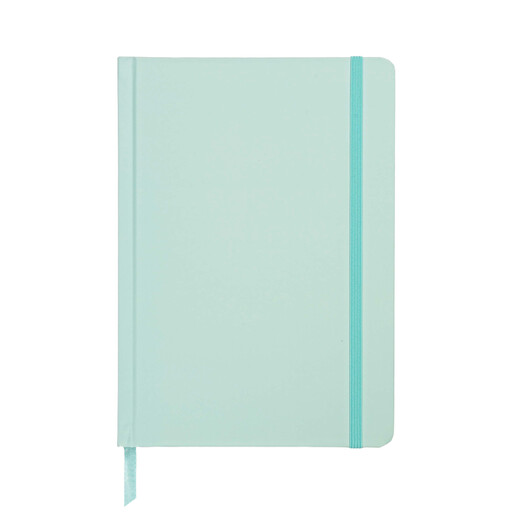
Why this choice suits this profile: Its A5 format and undated design mean you can start whenever you like, without waiting for the beginning of a month or a specific period. It works equally well for work, study and daily organisation.
The undated period avoids wasting pages if you start the planner late or don't use it regularly.
224 pages, 100 gsm lined offset paper, hard cover, bookmark and elastic closure.
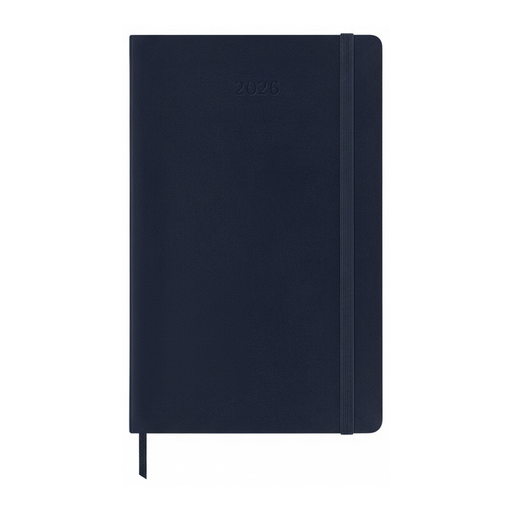
Why this choice suits this profile: With one page per day, it's designed for those who like to record their appointments, tasks, notes and travel in one place.
The daily layout avoids cramming several appointments and tasks into the few lines of a weekly planner.
Pages dedicated to travel planning, goals and ideas, inner pocket, bookmark and elastic closure.
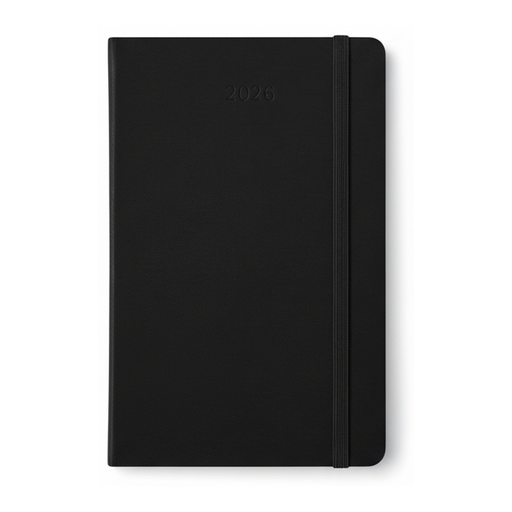
Why this choice suits this profile: The weekly double-page spread lets you track projects, travel and appointments without dedicating a whole page to each day.
The horizontal view allows you to quickly see the week at a glance, while keeping separate pages for notes and goals.
Soft and hard leatherette cover, 180° lay-flat opening, inner pocket and 70 gsm ivory paper.
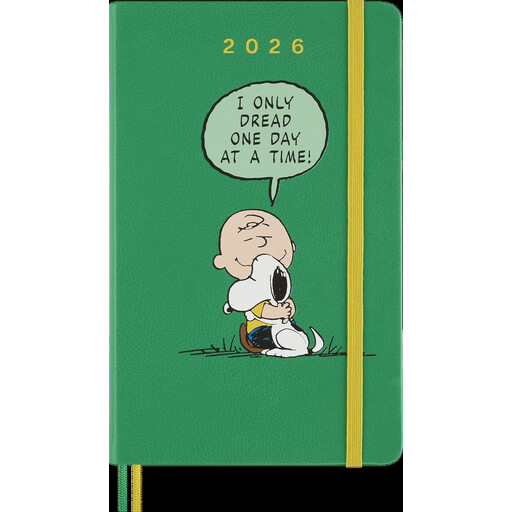
Why this choice suits this profile: The stickers, matching bookmarks and pages reserved for ideas allow you to personalise your organisation and travel notes.
The accessories are integrated into the planner's structure: they enrich the pages without encroaching on clearly defined planning space.
Hard cover, two bookmarks, expandable inner pocket, stickers and 180° lay-flat opening.
A dated planner suits those who want to find days, weeks and months already structured at a glance. It saves you from copying out the calendar and makes it easier to spot deadlines. An undated 18-month planner offers more flexibility to accommodate a change in pace, a one-off project or an organisation that starts mid-year.
To easily visualise your appointments, a planner with a monthly view can complement a weekly planner. To discover other formats and compare different layouts, browse the selection below.
We've put together a comprehensive, real-time updated list of products that meet these demanding selection criteria and European safety regulations.
It all depends on how often you handle it, its storage conditions and its exposure to humidity. A hard cover, an elastic closure and storage in a dry place will help preserve its condition. However, the pages remain vulnerable to water, heat and tears.
Yes. The A5 format offers enough space to jot down classes, meetings, tasks and reminders, while remaining easy to carry. If you need very detailed organisation, check the width of the columns and the space available for each day or week.
Start by filling in the dates of the months and weeks you plan to use, then dedicate a page to fixed deadlines. Next, organise your items into three categories: appointments, actions to complete and goal tracking. This method limits blank pages and makes it easy to pick up where you left off after a busy period.