
Livraison le jour même ou le lendemain

Qualité garantie

Débloquez vos offres de bienvenue: Livraison GRATUITE | Jusqu'à -80 % | 30 jours d'essai gratuits à JoyPlus
Téléchargez l'application
A plancha and a griddle pan are not used in the same way. A gas plancha is designed for outdoor meals and large gatherings, while a griddle pan fits into everyday cooking on a hob — including induction, depending on the model. In both cases, the material, cooking surface and fat drainage directly affect how comfortable the appliance is to use.
Before you buy, three common pitfalls keep cropping up:
An enamelled cast iron plancha or a cast iron griddle pan retains heat effectively. This gives you even searing, as long as you let the utensil heat up gradually. The enamel makes cleaning easier compared to bare cast iron, but it is still vulnerable to thermal shock, metal utensils and abrasive products.
A 26 cm enamelled cast iron griddle pan offers a good balance of heat retention, versatility and table presentation. It works well for meat, fish, vegetables and any recipe that needs a steady temperature.
A griddle pan that works on induction must state this clearly. Also check what other uses are allowed: gas, electric hobs, ceramic hobs, oven or grill. On a heavy model, a heat-resistant handle and an extra helper handle are a real bonus.
For outdoor use, a gas plancha running on butane or propane needs a suitable hose and regulator, usually sold separately. Before using it for the first time, check for the CE mark, make sure the ignition system works reliably and, depending on the model, that a thermocouple safety device is fitted.
A plate 60 to 64 cm long lets you cook several portions at once. By contrast, a 26 cm square format is better for two or three people, depending on what you're cooking. A sloped surface guides juices towards a hole or drip tray. On a griddle pan, deep ridges mark the food while letting some of the fat drain away.
The promise of healthier cooking does need a bit of context: the utensil can help reduce the amount of fat you use and drain away juices, but the result also depends on the ingredients, the temperature and the recipe.
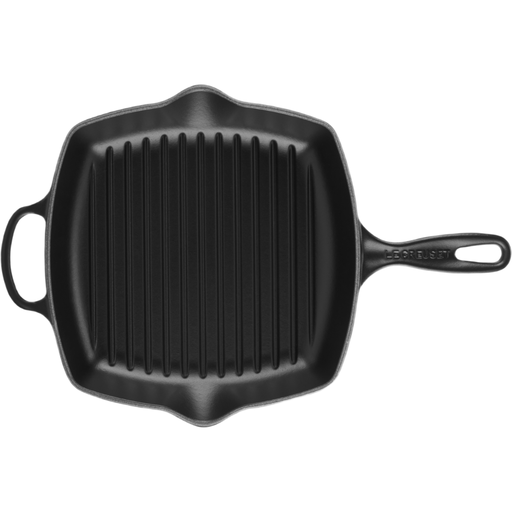
Why this suits this profile: At 26 cm, it's ideal for everyday cooking and works on gas, electric and induction hobs, as well as in the oven and under the grill.
Its compatibility with multiple heat sources reduces the risk of buying a utensil limited to just one type of hob.
Enamelled cast iron, deep ridges, helper handle and side pouring spouts.
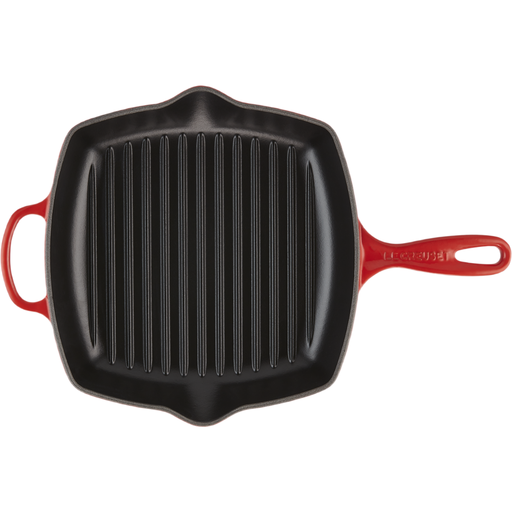
Why this suits this profile: Its enamelled cast iron construction and the fact it goes from hob to oven mean you can vary your recipes without cluttering your kitchen with extra utensils.
The instructions clearly state its compatibility with induction, the oven and the grill, rather than suggesting a versatility that would need checking.
Square surface, excellent heat retention, main handle and helper handle.
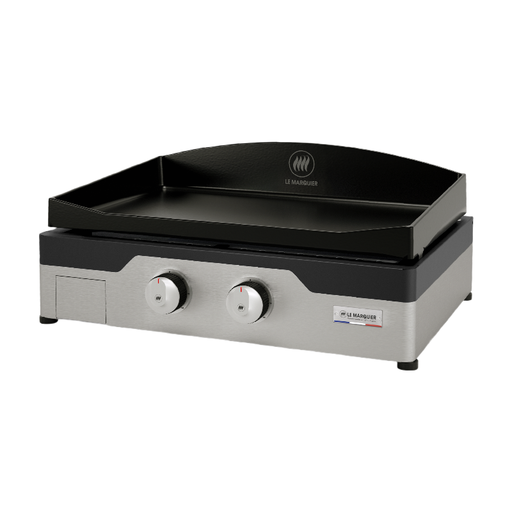
Why this suits this profile: This gas plancha, measuring 60 × 40 cm, is designed for patios, balconies and outdoor kitchens. Its two burners deliver a total of 5.4 kW.
The sloped plate, central hole and removable drip tray limit fat build-up, a common problem with planchas.
Two burners, adjustable feet, piezo ignition and thermocouple safety device.
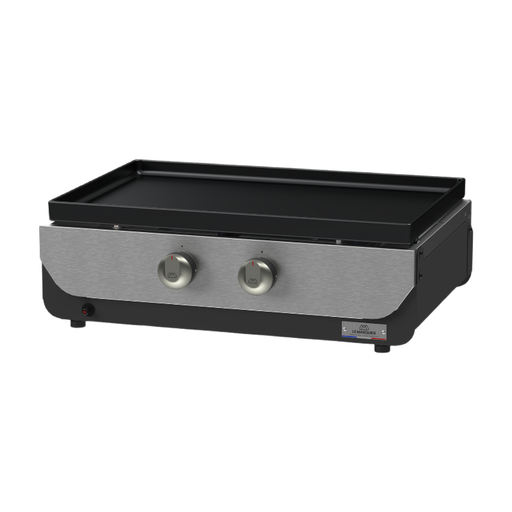
Why this suits this profile: Its 60 × 40 cm size is said to serve 6 to 10 people. The compact frame sits securely on a sturdy outdoor table.
The enamelled cast iron plate and concealed drip tray stop you from being swayed by the frame's appearance alone.
Assembled in France, two stainless steel burners, mechanical ignition and a dishwasher-safe removable drip tray.
Let the plate or pan cool down naturally before cleaning it. A soft sponge, warm water and a mild detergent are all you need. Avoid thermal shock, abrasive pads and metal utensils on the enamel. A plancha must not be submerged. As for the enamelled cast iron pan, dry it immediately after washing.
For a gas plancha, place the appliance on a flat, heat-resistant surface. Regularly check the hose, regulator and connections, and follow the manufacturer's instructions for using butane or propane. The gas bottle is usually sold separately.
We've put together a full, real-time updated list of products that meet these demanding criteria as well as European safety standards.
Yes, as long as your leasehold agreement and local regulations allow it. Choose a stable appliance, keep to the safety distances specified by the manufacturer and never use it in an enclosed or poorly ventilated space. Also think about the size, weight and where you'll store the gas bottle.
A gas plancha offers a larger cooking surface, which is especially handy for outdoor meals and cooking in bulk. A griddle pan that works on induction fits more easily into a kitchen, but its cooking area is more limited. The plancha means managing fuel and connections; the griddle pan can be cleaned and stored like any other heavy kitchen utensil.
Cast iron retains its heat for several minutes after the heat source is turned off. Always handle the pan with oven gloves, even after you've finished cooking. This strong heat retention helps keep a steady temperature, but you do need to wait for the utensil to cool down completely before washing it.