
Livraison le jour même ou le lendemain

Qualité garantie

Débloquez vos offres de bienvenue: Livraison GRATUITE | Jusqu'à -80 % | 30 jours d'essai gratuits à JoyPlus
Téléchargez l'application
Pineapple products are tempting with their tropical appeal, but their labels can sometimes hold a few surprises. Between a simply flavoured drink, a juice made from concentrate and a nectar, the differences in composition can be considerable. The format also deserves your attention: a large bottle may seem more economical, while a small pack is better suited for occasional consumption and helps reduce waste.
Before you fill your basket, check three things: the actual proportion of pineapple, the amount of sugar and the storage instructions. These criteria will help you tell the difference between a pineapple drink, a pineapple juice, a pineapple soda, a pineapple nectar and a sweet snack.
The phrase "pineapple flavour" does not guarantee that the product contains a significant amount of fruit. For a drink, start by checking the ingredients list, then look for the percentage of juice or concentrate.
The Don Simon Pineapple Coconut Drink PET 1.5L, for example, contains 10% pineapple juice from concentrate, along with 5% orange juice and 1% coconut water. Meanwhile, the SAGIKO Pineapple Drink 320ml lists water, sugar and pineapple concentrate, without specifying the percentage in the available information. These two products therefore don't quite meet the same need.
Pineapple naturally contains sugars, but some recipes also include added sugar. Compare the "of which sugars" line per 100ml or 100g, then relate that value to the amount you actually drink or eat.
As a guide, the Pago Pineapple Juice 75cl shows 11g of sugar per 100ml, compared to 4.3g per 100ml for the Don Simon Pineapple Coconut Drink. These figures aren't a judgement of value: they simply help you choose a product that suits your habits, a meal or a particular occasion.
For pineapple in syrup, the total weight stated on the tin includes the syrup. The Fu Xing Pineapple Pieces in Light Syrup 565g therefore shows a drained weight of 260g. It's this figure that allows you to compare the actual amount of fruit between two tins.
After opening, the instructions may also change. A drink like Don Simon should be kept in the fridge and consumed within 3 to 4 days, according to the product information. For a Fu Xing tin, the pieces and syrup should be transferred to a non-metallic container and consumed within 2 to 3 days.
A pineapple soda like the Spring Valley Pineapple Sparkling Drink is sold in a pack of 24 cans of 330ml, a format that may suit catering or an event. On the downside, it requires enough storage space and assumes well-planned consumption.
For a pineapple cake, pineapple biscuits, dried pineapple or a mochi, look carefully at:
The HSU FU CHI Pineapple Cake 184g contains 13% pineapple filling, combined with wax gourd, as well as 5% butter. The Jiashili biscuits list a pineapple-flavoured jam filling and 35g of sugar per 100g. As for the MUSHAN BASE Dried Pineapple 50g, it contains at least 75% pineapple, but also 60.3g of sugar per 100g and sulphites. In every case, reading the label remains essential.
A pineapple sorbet or frozen dessert requires the cold chain to be maintained at all times. POP FRUIT MINI lollies must be stored at a maximum of –18°C and must not be refrozen after thawing. According to the instructions provided, take them out about five minutes before enjoying.
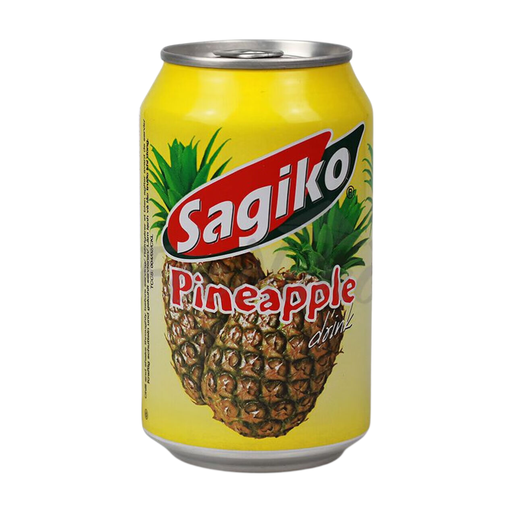
Why this choice suits this profile: At 320ml, this individual format lets you try a fruity drink without having to open a large bottle.
The smaller volume reduces the risk of leaving a bottle open for several days. The listing also mentions the pineapple concentrate and nutritional values.
320ml format, 49kcal and 8.4g of sugar per 100ml according to the information provided.
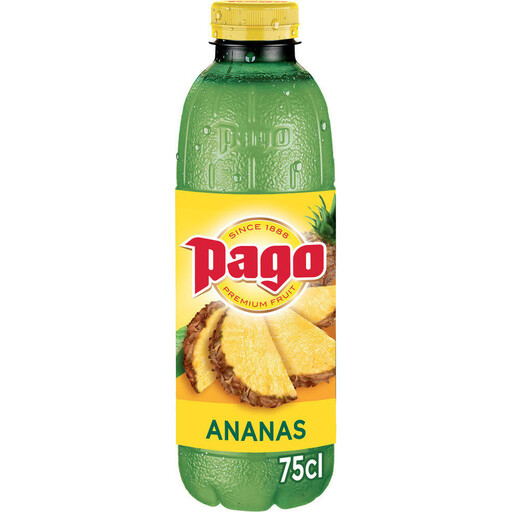
Why this choice suits this profile: Its 75cl format is ideal for enjoying at the table, on its own or in a recipe, without having to open a large bottle.
The listing states 90.93% fruit content and recommends shaking well before opening. Two useful indicators to get an idea of the recipe.
Pineapple juice from concentrate, 46kcal and 11g of sugar per 100ml.
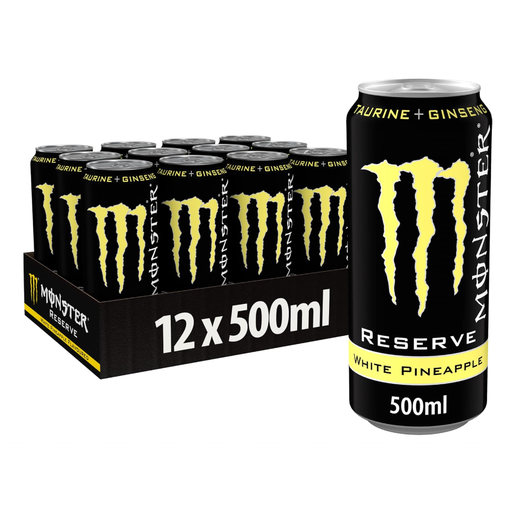
Why this choice suits this profile: With 12 cans, this pack is ideal for building up a stock for an activity, an event or regular consumption.
The listing specifies the presence of 150mg of caffeine per 500ml can. This high intake must be taken into account before purchase.
Pack of 12, 2kcal per 100ml and 0g of sugar stated. Not recommended for children, pregnant or breastfeeding women, or people sensitive to caffeine.
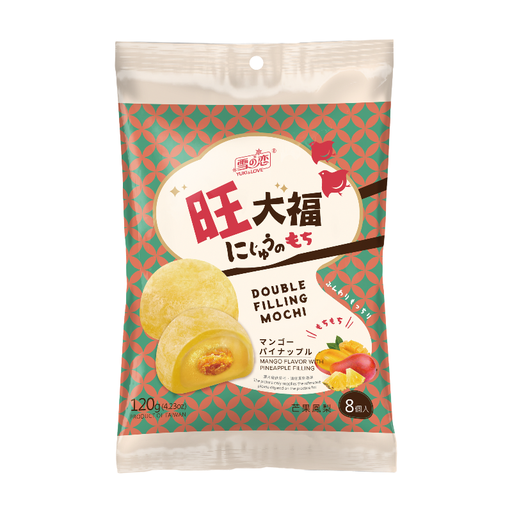
Why this choice suits this profile: This pineapple and mango mochi combines a soft texture with a compact format, perfect for a sweet treat or for discovering Asian confectionery.
The listing distinguishes the pineapple paste, present at 6%, from the mango-flavoured paste at 25.3%. This detail helps avoid confusing the dominant flavour with the actual amount of fruit.
120g format, store at room temperature and 288kcal per 100g according to the labelling provided.
Pineapple juice comes from the fruit, often in the form of reconstituted juice from concentrate. Nectar may contain a variable proportion of fruit, topped up with water and sometimes sugar depending on the recipe. Always refer to the legal name and the ingredients list on the packaging.
It depends on the product. Some brands state 2 days, others 3 to 4 days. Put the bottle in the fridge when the label asks you to, and follow the manufacturer's recommended period. An unusual smell, colour or taste should prompt you not to consume the drink.
A pineapple tea made with oolong tea, such as GS Pineapple Oolong Tea, generally contains caffeine naturally present in the tea leaves. The amount varies depending on the dosage, water temperature and brewing time. For a pineapple energy drink, check the amount of caffeine per serving directly, as well as any warnings on the label.