
Livraison le jour même ou le lendemain

Qualité garantie

Débloquez vos offres de bienvenue: Livraison GRATUITE | Jusqu'à -80 % | 30 jours d'essai gratuits à JoyPlus
Téléchargez l'application
A pineapple drink can be a juice, a nectar, a fizzy pop or simply a flavoured beverage. The same goes for pineapple biscuits, tinned fruit and Asian specialities: the tropical image on the packaging isn't enough to tell you what's inside. To avoid unpleasant surprises, it's best to check the ingredients and the format before you head to the checkout.
The phrase "pineapple flavour" doesn't mean the product contains a lot of fruit. It could be a blend of water, sugar, flavourings and a small amount of juice. A nectar or pineapple juice, on the other hand, should clearly state its category and its ingredients.
Make sure you check:
A pineapple fizzy drink is chosen mainly for its bubbles and its bold taste. A juice or nectar will be better suited to a fruity treat or for making a cocktail or a recipe.
For tinned pineapple slices, the weight stated on the tin usually includes the syrup. The drained net weight gives you a much better idea of how much fruit you're actually getting. Also check whether it's a light syrup or a particularly sugary preparation.
After opening, place any leftover pieces in an airtight container and keep them in the fridge, following the instructions on the packaging. Any tin that is bulging, rusty or leaking should be thrown away.
Not all sugary products can be eaten without care. A pineapple cake or a filled biscuit may contain wheat, milk, eggs or soya. Some dried pineapple also contains sulphites, which must be listed if they exceed the legal limits.
Pineapple sorbets must be stored at −18 °C maximum and must never be refrozen after defrosting. An opened drink should generally be placed in the fridge and consumed within the recommended time.
Ingredients are always listed in descending order of quantity. If sugar or syrup appears before pineapple, expect a very sweet drink. In a fruit blend, the presence of apple, guava or another juice isn't necessarily a bad thing, but it will certainly change the taste.
Some products combine pineapple with coconut, passion fruit, peach or guava. These recipes can be perfect for a tropical drink, a non-alcoholic cocktail or a buffet, but they won't suit those looking for a strong, dominant pineapple flavour.
Choose the packaging based on how you plan to use the product:
Also remember to compare the price per litre or per kilogram. A large format is only good value if you can finish it before the use-by date, under proper storage conditions.
A pineapple tea may be made mainly from flavoured oolong tea. A pineapple-vanilla liqueur, on the other hand, contains alcohol and sugar. An energy drink with pineapple may contain caffeine: the warnings for children, pregnant women and those who are sensitive should be taken seriously.
For a pineapple hair treatment, the ingredients and instructions matter more than the scent or the look of the product. The Garnier treatment shown below is for external use only: it is obviously not to be drunk. Check the list of ingredients and stop using it at the first sign of irritation.
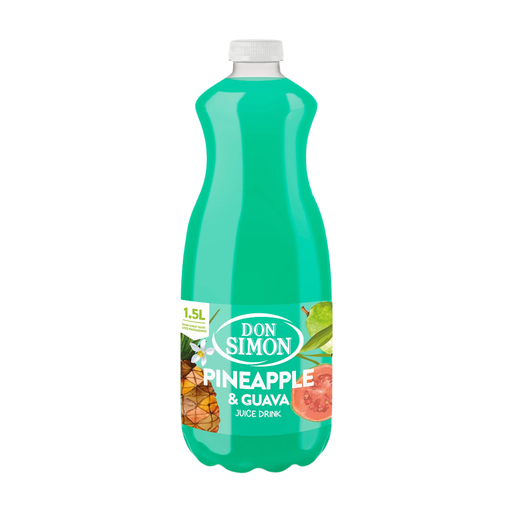
Why this choice suits this profile: Its 1.5-litre format is ideal for a family meal or for trying a blend of pineapple, guava and lemon for the first time.
The listing states 5% pineapple juice and 18 kcal per 100 ml, so you know exactly what to expect.
A practical bottle, an original guava-lemon combination and keeps in the fridge after opening.
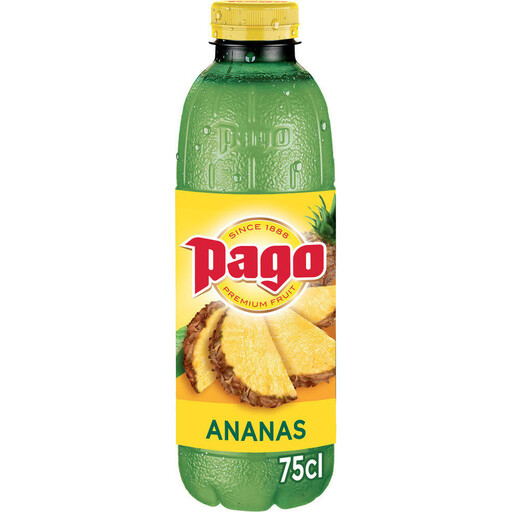
Why this choice suits this profile: Its 75 cl format and stated fruit content of 90.93% make it ideal for a more focused tasting experience.
The listing states it is a juice from concentrate, with water, sugar and lemon juice, so don't mistake it for a pure juice.
90.93% fruit content stated, 75 cl bottle and recommended to shake well before opening.
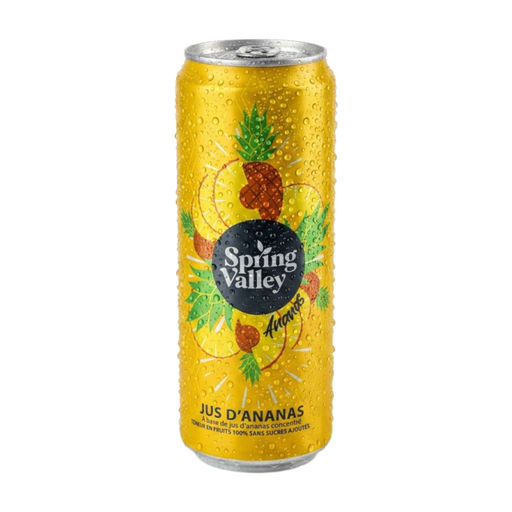
Why this choice suits this profile: The 24-can pack is ideal for events, restaurants, catering or home stockpiling.
The individual format avoids leaving an open bottle; the listing states around 42 kcal and 10.5 g of sugar per 100 ml.
24 cans of 330 ml, easy serving at a buffet and a drink best served chilled or used as a mixer.
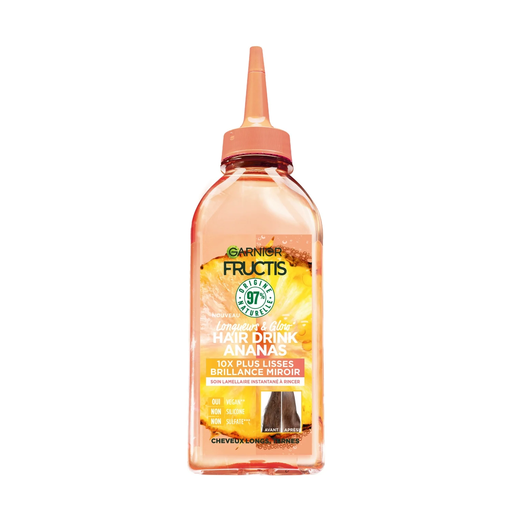
Why this choice suits this profile: This rinse-out treatment is designed for those who want to care for their lengths after shampooing.
The listing states it is for external use only, to be rinsed off after 10 seconds, and that crystallisation may occur below 9 °C.
A 200 ml format, a formula stated to contain 97% naturally derived ingredients and a dosage that can be adjusted to hair thickness.
We've put together a full selection, updated in real time, of products that meet these exacting criteria and European safety standards.
To vary your pleasures and uses, the range also includes tinned pineapple slices, dried pineapple, filled biscuits, oolong tea with pineapple and mini pineapple-passion fruit and coconut sorbet sticks. Fans of Asian flavours can also try a nata de coco drink or a pineapple ramune.
For a festive occasion, the pineapple-vanilla liqueur deserves special attention. Its alcohol content is stated at 37% vol. It is for adults only and is not recommended during pregnancy. Energy drinks, meanwhile, state their caffeine content and the accompanying warnings.
Juice is obtained from the fruit, sometimes concentrated and then reconstituted. Nectar may contain juice or purée, water and sugar, depending on the recipe. In all cases, check the legal name and the percentage of fruit stated on the label.
It all depends on the recipe and the packaging. A bottle can keep for two to four days in the fridge, whereas an individual can should generally be drunk straight after opening. The manufacturer's instructions on the packaging are the best guide.
Non-alcoholic foods and drinks can be given to children depending on their ingredients and the family's eating habits. However, do check their sugar content, the presence of allergens and any warnings about colourings or caffeine. Liqueurs and energy drinks are not suitable for children.