
Livraison le jour même ou le lendemain

Qualité garantie

Débloquez vos offres de bienvenue: Livraison GRATUITE | Jusqu'à -80 % | 30 jours d'essai gratuits à JoyPlus
Téléchargez l'application
Buying a pillow might seem straightforward. Yet a few details can make all the difference day to day. A poorly suited height, filling that goes flat, or a cover that’s fiddly to clean can quickly turn a promising purchase into a wasted expense.
The selection below, curated by the Joybuy Product Recommendation Officer, lets you compare sizes, materials and features without being guided solely by marketing claims.
A soft pillow feels lovely at first, but may lack support if you sleep on your side. Conversely, a firm pillow can feel too rigid if you sleep on your stomach or prefer a softer feel.
Firmness should therefore be considered alongside height, shoulder width and sleeping position. A model marketed as suitable for all positions won’t necessarily suit every sleeper in the same way.
The most common sizes in France are not interchangeable. A 60 x 60 cm pillow or a 65 x 65 cm pillow needs a square pillowcase to match. The rectangular 50 x 70 cm size may work better with certain bed linen or for people who prefer more length under their head.
Before ordering, always check the pillow dimensions and those of your bedding. An unusual size could mean you need to buy new pillowcases.
A machine-washable pillow isn’t necessarily suitable for a high-temperature wash. Check the label, the maximum temperature allowed and the drying instructions. Regular washing of the cover is also essential, even when the filling is described as hypoallergenic.
An ergonomic pillow or a cervical pillow may have a specially designed shape to support the neck. However, this is not a medical device and does not replace the advice of a healthcare professional if you have persistent pain.
Memory foam gives a hugging sensation and slowly returns to shape. A memory foam pillow can be made from a solid block of foam or shredded foam pieces, the latter sometimes allowing you to adjust the filling distribution more easily.
Synthetic fibres are often appreciated for their plump feel and easy care. Duck feathers offer an airy sensation, but their support and loft depend on the ratio of feathers to down. The MORPHEA model shown below has a composition of 90% duck feathers and 10% duck down.
An adjustable pillow lets you remove or add filling to alter the height and, to some extent, the firmness. This feature is useful if you change position during the night or if your preferences evolve.
If you tend to get hot at night, a temperature-regulating, breathable pillow can promote better air circulation. Bear in mind, though, that a design intended to limit heat build-up is not a guaranteed result.
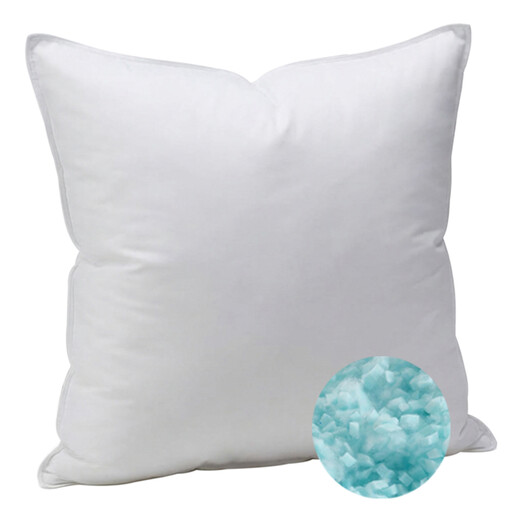
Why this choice suits this profile: This pack of two pillows is ideal for a first set-up or for replacing two pillows in a bedroom. The shredded memory foam filling is described as suitable for back, side and stomach sleepers.
The size and quantity are clearly stated, reducing the risk of confusing a single purchase with a pack of two.
Shredded foam, 65 x 65 cm size and a pack of two pillows described as hypoallergenic.
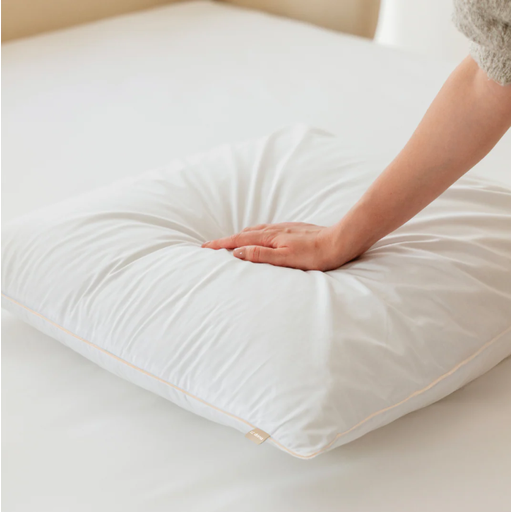
Why this choice suits this profile: This model is aimed at those who want a natural filling and an airy feel in a traditional square shape.
The filling composition, stated thickness and washing instructions at 40 °C are all specified, rather than relying on a vague promise of comfort.
90% feathers and 10% duck down, 100% cotton cover, 60 x 60 cm size and certifications mentioned on the product page.
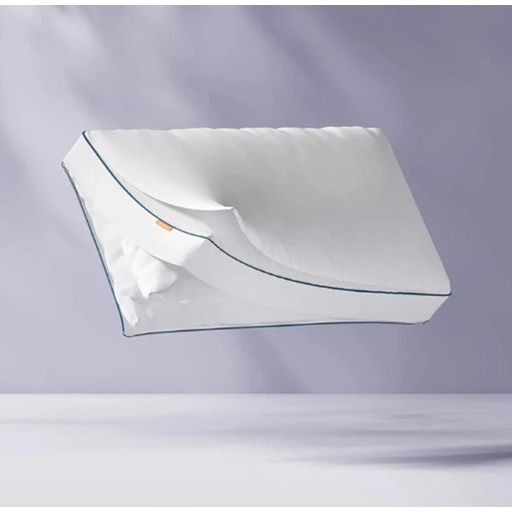
Why this choice suits this profile: Its breathable cover and adjustable filling can suit sleepers who are sensitive to heat and households that prioritise regular maintenance.
The temperature-regulating function comes with concrete details: breathable materials, adjustable height and machine washing.
60 x 60 cm size, adjustable height, stated hypoallergenic properties and machine washable.
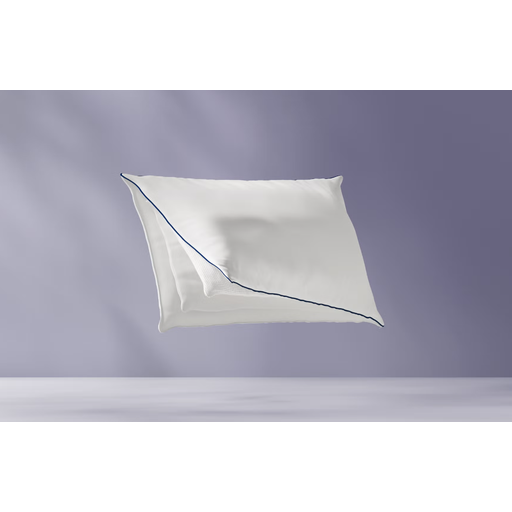
Why this choice suits this profile: Its rectangular shape and adjustable filling allow you to adapt the pillow to different positions and height preferences.
The ability to remove or add filling reduces the risk of having to put up with an unsuitable height from the very first nights.
50 x 70 cm size, adjustable filling, soft and plush feel, stated hypoallergenic properties and machine washable.
We’ve put together a comprehensive, real-time updated list of products that meet these demanding selection criteria and European safety standards.
The lifespan depends on the material, how often it’s washed and exposure to moisture. A pillow that permanently loses its loft, develops lumps or no longer regains its shape should be replaced. Air it regularly and use a washable protector to slow down wear.
Follow the manufacturer’s instructions rather than applying a general rule. Some models can go in the machine, while others only need their cover washing. Drying must be thorough to prevent moisture from becoming trapped in the filling.
Not necessarily. Side sleepers mainly need enough height to fill the gap between the shoulder and head. An adjustable pillow can be easier to adapt than a very firm model with a fixed height.