For a ready-to-serve snack
A ready-to-eat crêpe saves you having to cook on the spot. Before packing it, check whether it can be eaten as it is and what storage conditions apply to that product and its filling.


For a no-prep snack, choose a ready-to-eat crêpe. If you want seeds to be part of the product, or you’re making a sandwich, look for seeded bread instead. Crackers are better suited to a different craving: something crunchy to nibble on. Either way, the filling, allergens and storage instructions matter just as much as the format when you’re packing for a summer picnic.
A ready-to-eat crêpe saves you having to cook on the spot. Before packing it, check whether it can be eaten as it is and what storage conditions apply to that product and its filling.
If you want seeds incorporated into the product, seeded bread is suited to the sandwich use described by Lidl. Seeded crackers are better for a crunchy snack than as a base for toppings.
Depending on the product, ingredients may include cereals containing gluten, milk, eggs or sesame. Read the packaging of the product you’re actually buying, including any ‘may contain’ warnings that are relevant to you.
First, decide whether you want a crêpe to eat as it is, bread to fill or crackers to nibble on. Then check how to store your chosen product and what it contains.
| Consideration | What to check | Consumers concerned |
|---|---|---|
| Transport and storage | Instructions on the pack; keep chilled if required by the product or its filling. | When the journey and warm weather make it harder to transport a meal, I want to be able to store the crêpe and its filling as instructed. Around 40% of consumers put this precaution first. |
| Seeds and how you’ll use the product | Whether seeds are listed among the ingredients; whether the format works for a sandwich or a crunchy snack. | If I’m making a sandwich, I look for seeds in the bread itself rather than a crêpe to add toppings to. This is the top priority for around 30% of consumers. |
| Ingredients and allergens | Declared ingredients and allergens; nutrition information compared per 100 g. | If a particular ingredient list affects my choice, I need to be able to compare labels before sharing a picnic. This is the priority for around 30% of consumers. |
Anses recommends limiting how long perishable foods are kept at room temperature. When comparing the nutritional values of prepacked products in different formats, DGCCRF says information should be given per 100 g or 100 ml. This comparison alone won’t tell you which product to choose.
A ready-to-eat crêpe is a different product from seeded bread or crackers. The Lidl bread and Auchan crackers listings specify seeds in their ingredients; don’t assume the same is true of a crêpe.
If seeds are essential, check the ingredients list of the product you choose.
The storage instructions for a prepacked crêpe won’t automatically apply to a perishable filling. Anses recommends limiting the time relevant foods are kept at room temperature.
Follow the packaging instructions and use a cool bag or other means of keeping food chilled when the ingredients require it.
The seeded bread described by Lidl contains sesame and warns that traces of other allergens may be present due to shared production. The seeded crackers featured by Auchan also contain sesame.
If you have an allergy, check the ingredients and any ‘may contain’ warnings on the packaging every time you buy.
A crêpe, a loaf of bread and a pack of crackers aren’t used in the same way, and they may not provide the same portion size. The number of pieces won’t tell you how their ingredients compare.
Check the ingredients, then compare the nutritional values per 100 g when looking at different products.
A ready-to-eat plain Breton crêpe, listed by Auchan as an option for a snack that doesn’t need cooking.
Sweet crêpes made with fresh milk, listed by Aldi as a ready-to-eat snack.
Wheat crêpes with ham and cheese, listed by Aldi as a savoury meal option rather than a plain crêpe or seeded bread.
A retailer offering a special seeded cereal bread, designed for making sandwiches.
A retailer offering seeded cheese crackers for a crunchy snack, distinct from a crêpe or bread for sandwiches.
These products suit two picnic occasions: sesame crackers for nibbling and crispy crêpes that are ready to eat. If you’re making a seeded sandwich, look for bread designed for that purpose; these crackers and crêpes aren’t a substitute.
 Image unavailable
Worth considering if you’re after a sesame cracker to nibble on, rather than a crêpe or sandwich bread. Check the packaging for allergens and storage instructions before taking it out in hot weather.
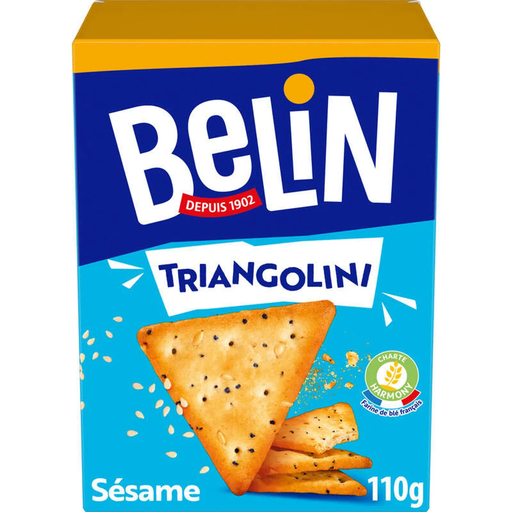 Image unavailable
A crunchy sesame snack to share, rather than a sandwich base. Check the ingredients and allergens on the pack, and make sure it’s protected from heat and moisture while you’re travelling.
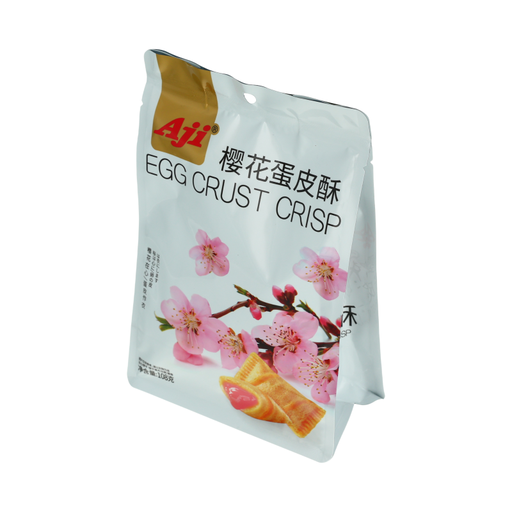 Image unavailable
A handy option for a no-cook snack of crispy crêpes, rather than a soft crêpe to fill or a sandwich to make. If seeds are essential, check the ingredients; also read the allergen and storage information on the packaging.
Choose a ready-to-eat crêpe for a no-prep snack, or seeded bread if you want to make a sandwich with seeds in the bread itself. The Lidl listing describes its special seeded cereal bread as suitable for sandwiches; the plain St Michel crêpe listed by Auchan is for a different occasion.
Follow the storage instructions for each product and its filling rather than relying on one rule for everything. Auchan says to store the St Michel product in a dry place, away from light and heat, at a maximum of 25 °C. For perishable foods, Anses recommends limiting exposure to room temperature and maintaining the cold chain.
Read the ingredients and highlighted allergens on the packaging of each product. The crêpes featured by Carrefour list milk and eggs; the seeded bread featured by Lidl contains cereals with gluten and sesame, among other ingredients. Also check for any ‘may contain’ warnings that are relevant to you.
Compare the nutritional values per 100 g for these foods, then consider how much you plan to serve. DGCCRF says that the nutrition declaration for prepacked foods is given per 100 g or 100 ml to make comparisons easier.