People planning a picnic in warm weather
If you have a long journey or will be eating outdoors, plan how to keep the chocolate cool and make sure you can store it in the shade until you’re ready to enjoy it.


If you’re bringing chocolate to a summer picnic, first choose a format you can carry in the shade and protect from the heat. According to Lindt, dark chocolate is slightly less sensitive to heat than milk or white chocolate, but it still won’t withstand prolonged exposure. A chocolate bar is a good choice if you want to break it up and share it; if you’d like to offer a selection of different pieces or flavours, check that it really is an assortment. In either case, compare the sugars per 100 g, ingredients and allergens for the product you’re buying.
If you have a long journey or will be eating outdoors, plan how to keep the chocolate cool and make sure you can store it in the shade until you’re ready to enjoy it.
Sugar content, the ingredients list and the cocoa percentage can help you compare specific recipes. If it appears on the packaging, the Nutri-Score can also help, but its use is voluntary, as Santé publique France points out.
A bar to break up and a selection of individual chocolates serve different purposes. Before taking chocolate for a group, also check the allergens for each product in question.
For this picnic, start by thinking about how you’ll transport the chocolate. Then choose between a bar and an assortment before comparing the labels of the products you’re interested in.
Choose this if: you’d like a bar to break up and enjoy the flavour of the recipe you’ve chosen.
Bear in mind: Lindt describes dark chocolate as slightly less sensitive to heat than milk chocolate, but it still needs protecting from the sun. Be sure to check the allergens too.
Choose this if: the recipe or inclusions matter more to your guests than choosing dark chocolate.
Bear in mind: according to Lindt, milk and white chocolate are more sensitive to heat. Also check the ingredients and allergens for the exact recipe.
Choose this if: you’d like to offer a selection of different pieces or flavours rather than a bar to share.
Bear in mind: check what the pieces are, look for allergens and make sure you can protect the whole box during the journey.
| Consideration | What to check | Who it’s for |
|---|---|---|
| Heat and transport | Journey time, access to shade and protection for the chocolate in its packaging. | If the chocolate has to wait outdoors, my main concern is stopping it from going soft before the meal. Around 40% of consumers put this concern first. |
| Sugars and ingredients | Sugars per 100 g, ingredients and nutritional values for the exact product; don’t judge by the cocoa percentage alone. | When comparing two recipes, I need a like-for-like basis rather than relying on their names. Around 30% of consumers prioritise checking the ingredients. |
| Sharing and allergens | Whether it’s a bar or a genuine assortment, the net weight and the allergen information on the packaging you buy. | If I’m bringing a gift for several people, I want the format to suit the occasion and to be able to check the ingredients. Around 30% of consumers put sharing and their guests first. |
In France, the Nutri-Score is voluntary, according to Santé publique France. The DGCCRF points out that prepacked foods must include, among other things, an ingredients list and a nutrition declaration. The absence of the logo doesn’t mean this information is missing.
Compare the sugars and fat listed per 100 g, then read the ingredients and allergens for the products you’re considering.
Chocolate can soften or melt on a hot journey. Lindt recommends storing it ideally at between 15 and 18 °C, but this doesn’t guarantee it will hold up at a picnic.
Keep it in its packaging, in the shade and away from heat. If you can’t avoid leaving it somewhere warm for a long time, consider a different dessert or a cooler place to enjoy it.
The type of chocolate doesn’t tell you whether it contains milk, soya or nuts, including possible traces.
If you have an allergy, read the ingredients list and precautionary allergen information on the packaging of the product you buy. Don’t rely on its colour or brand.
You can break a large bar into pieces, but that doesn’t make it an assortment of chocolates. The format matters if you want to offer a selection of different pieces or flavours.
Check the product name, net weight and ingredients before choosing between a bar and an assortment.
The Excellence and Grand Plaisir bars offer distinct recipes to compare by cocoa content, sugars, ingredients and format.
The range presented by Milka in France includes milk chocolate bars in different sizes, including a 276 g MMMAX bar.
A 90 g bar of organic dark chocolate with 70% cocoa is among the products documented by Carrefour France.
The Carrefour Classic’, Carrefour Sélection and Carrefour Bio ranges include products worth considering for their recipes and packaging.
This selection includes dark chocolate bars, including a smaller format, and an assortment of chocolates and sweets. The right choice depends on how many people you’re buying for, the ingredients you’re looking for and whether you can protect the product from the heat.
 Image unavailable
A bar to consider if you’d like to share dark chocolate with 85% cocoa. Lindt’s product page for this bar lists 15 g of sugars per 100 g. Check the packaging you buy for ingredients and allergens, and protect the bar from the heat during your journey.
 Image unavailable
At 35 g, this is better suited to one person than to sharing with several guests. Check the packaging for allergens and keep it away from the heat.
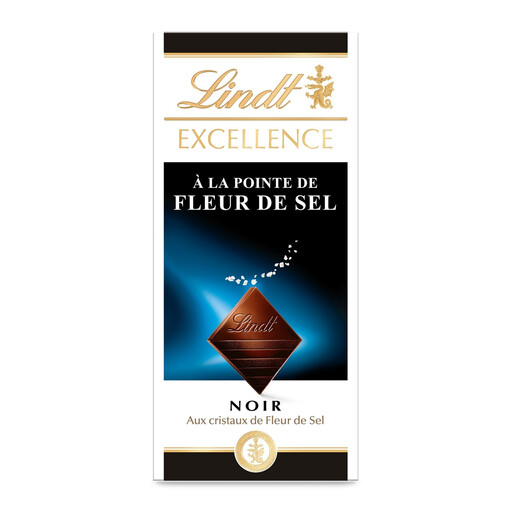 Image unavailable
This 100 g bar is a good choice if you’re specifically looking for a sea salt recipe to break up and share. Read its ingredients list and check the allergens before serving it to your guests. Remember to keep it out of the sun during your journey.
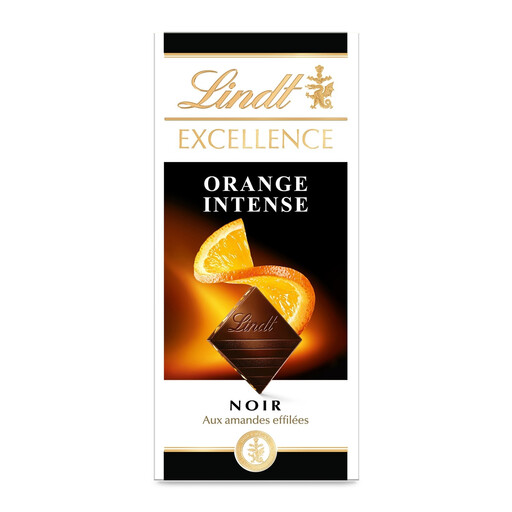 Image unavailable
This 100 g bar is a good fit if you’d prefer an orange recipe to plain dark chocolate. Check the ingredients and allergens for the bar you buy before sharing it, then keep it away from the heat.
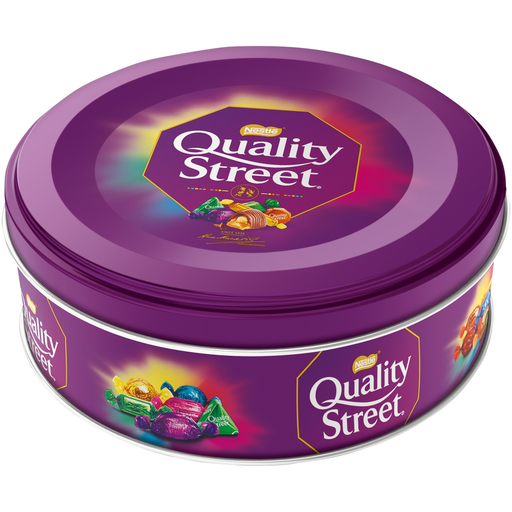 Image unavailable
This tin is a good choice if you’d like to bring an assortment rather than a bar to break up. It contains chocolates and toffees, so check the ingredients and allergens for the different pieces, as well as how best to transport it in warm weather.
No. In France, Article 1613 ter of the General Tax Code applies to drinks and liquid preparations for drinks, not solid chocolate bars or boxes. Sugar content is still worth comparing on the label.
No. Santé publique France says its use is voluntary. To compare prepacked chocolate bars, check their nutrition information and ingredients lists, even if no Nutri-Score is shown.
Keep it in its packaging, in the shade and protected from sudden changes in temperature. Lindt recommends storing it at between 15 and 18 °C. An insulated container may help during the journey, but it can’t guarantee the chocolate will withstand a long wait in warm conditions.
No. A dark chocolate bar may contain allergens or carry a warning about possible traces. Check the ingredients list and precautionary information on the packaging of the specific product you’ve bought.
You can share a chocolate bar, but it won’t necessarily offer a choice of different pieces or flavours. If variety matters for your gift, check that the product is described as an assortment, then look at its net weight and ingredients.