People keeping an eye on energy intake
When choosing cashews to take to the park, compare the kcal per 100 g and decide how much to bring. A product with a lower energy value than another is not necessarily ‘low energy’.


For a picnic, compare cashews by their energy value per 100 g and the amount you plan to take, rather than relying on claims such as ‘natural’ or ‘no added salt’. The products mentioned here contain several hundred kilocalories per 100 g, so they do not meet the ‘low energy’ threshold for solid foods set out in European Regulation (EC) No 1924/2006. If salt matters more to you, check the ingredients list and the ‘salt’ line in the nutrition information separately.
When choosing cashews to take to the park, compare the kcal per 100 g and decide how much to bring. A product with a lower energy value than another is not necessarily ‘low energy’.
Check the ingredients list and the ‘salt’ line. Don’t assume that roasted cashews are necessarily salted, or that a no-added-salt version contains fewer calories.
Choose a net weight that suits the number of people, and plan how to protect any leftover cashews from heat and moisture.
To compare cashews for a picnic, first check the nutrition information on the same per-100 g basis, then look at the packet size and storage instructions.
| What matters to you | What to check | Who it may suit |
|---|---|---|
| Energy value | Kcal per 100 g and the amount planned for the picnic. | If I want to take a set amount without choosing solely by the recipe name, energy value is my first point of reference. Around 50% of consumers prioritise this factor. |
| Added salt | Salt per 100 g and the ingredients list. | If I want to snack on unsalted cashews in the park, I focus on the ingredients rather than relying on the word ‘roasted’. Salt is the main consideration for around 30% of consumers. |
| Size and storage | Net weight and instructions for before and after opening. | When a packet is for sharing, I want to be able to bring the right amount and store any leftovers properly. Around 20% of consumers put this need first. |
European Regulation (EC) No 1924/2006 reserves the ‘low energy’ claim for solid foods containing no more than 40 kcal per 100 g. The Auchan roasted cashews mentioned here contain 559 kcal per 100 g, according to the product listing.
Compare the energy values of different products, but don’t describe cashews as a ‘low energy’ product.
The Auchan, Carrefour and Monoprix listings respectively show 559 kcal per 100 g for roasted cashews, 584 kcal per 100 g for an organic loose product, and 641 kcal per 100 g for an organic Naturalia product. These descriptions alone are therefore not enough to assess a product against this criterion.
Check the energy value per 100 g for each product, then read its ingredients list.
The Carrefour Bio listing for roasted and salted cashews includes added sunflower oil and salt. The listing for TOKAPI cashews sold by E.Leclerc also lists both ingredients. These recipes may not suit you if you’re looking for a no-added-salt version.
If you prefer to avoid added salt, check the ingredients list as well as the salt content per 100 g.
Heat and moisture matter during transport and after opening. The instructions on the Auchan and Monoprix listings recommend protecting the cashews and storing them in a cool, dry place, depending on the product.
Choose a quantity that suits your group and follow the storage instructions on the packet you buy.
These examples refer to specific products: the values for one product don’t represent all the cashews sold by the same retailer.
The Auchan listing for 125 g of roasted cashews lets you compare a recipe made with cashews only.
The Daco Bello roasted natural cashews with no added salt, sold by Monoprix in a 225 g packet, are a useful option for comparing salt content.
Two Carrefour products show why it’s useful to compare each recipe individually.
The 400 g pack of TOKAPI roasted and salted cashews sold by E.Leclerc is a sharing-size option for anyone looking for this type of seasoning.
For a picnic, this selection includes packets of salted or spiced cashews, as well as one with no added salt. Compare the seasoning and net weight to find the right option for what you want to take with you.
 Image unavailable
The 165 g packet gives you a clear net weight to help you work out how much to share. This recipe is seasoned with salt, so check the ingredients before choosing if you’re looking for a no-added-salt version. If you have a peanut or other nut allergy, check the packaging too.
 Image unavailable
The sealed 120 g packet is a convenient choice if you want to take this amount on your picnic. It’s a salted recipe, so check the storage instructions on the packaging if you plan to keep any after opening.
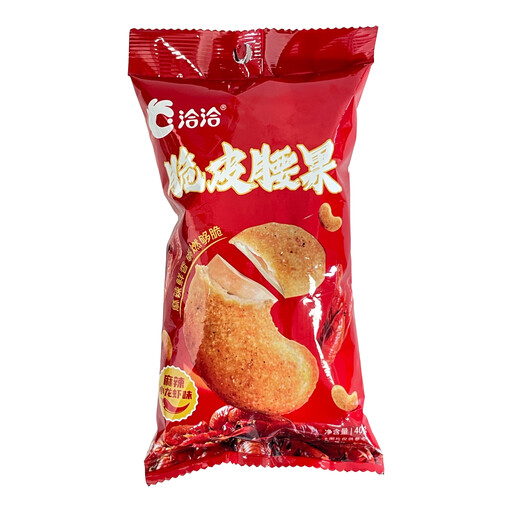 Image unavailable
The 40 g packet is a handy small size to share. If salt content affects your choice, check the ‘salt’ line on the packaging: sodium and salt values are not the same.
 Image unavailable
This 130 g packet suits anyone looking for a recipe with no added salt. That alone doesn’t tell you how many calories it contains, so compare the values per 100 g if energy is your priority. The ingredients include sunflower oil.
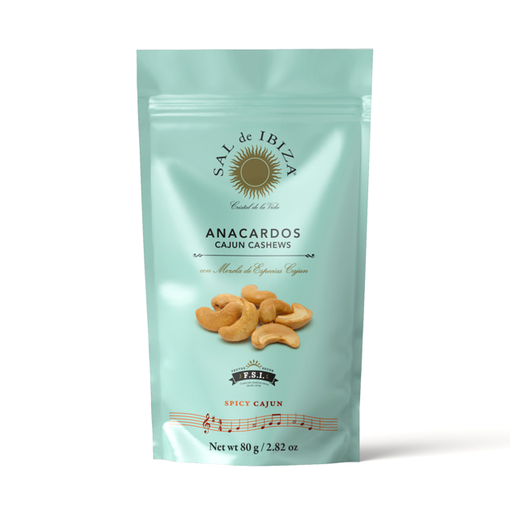 Image unavailable
The 80 g pack is a handy way to take this spiced recipe on a picnic. It contains salt and oil, so compare the nutrition information per 100 g if you’re choosing between recipes, and check the packaging for storage instructions after opening.
Not when the phrase is used to mean the regulated ‘low energy’ claim for the products mentioned here. European Regulation (EC) No 1924/2006 sets a limit of 40 kcal per 100 g for solid foods, while the Auchan listing mentioned here shows 559 kcal per 100 g, for example. You can compare products with each other without making this claim about them.
Start by comparing energy value and salt per 100 g, then check the ingredients and net weight against the amount you want to take. The Directorate-General for Competition Policy, Consumer Affairs and Fraud Control explains that displaying nutrition information per 100 g makes it easier to compare products.
Follow the instructions on the packet you buy and protect any leftovers from heat and moisture. The Auchan and Monoprix listings mentioned here recommend storing the products in a cool, dry place, depending on the product. Monoprix also advises eating its product soon after opening.
Check which allergenic ingredients are highlighted and look for any relevant information on the packet you actually buy. The Directorate-General for Competition Policy, Consumer Affairs and Fraud Control reminds businesses that allergenic ingredients must be highlighted. Don’t assume a recipe’s ingredients from the brand name alone.