
Livraison le jour même ou le lendemain

Qualité garantie

Débloquez vos offres de bienvenue: Livraison GRATUITE | Jusqu'à -80 % | 30 jours d'essai gratuits à JoyPlus
Téléchargez l'application
Choosing an electric toothbrush, a real headache? We get it. Faced with a jungle of models and marketing promises, it's hard to know where to start. Yet, the stakes are high: this isn't about buying a simple gadget, but investing in a true ally for your oral health.
Unfortunately, many people fall into common traps, leading to disappointment and unnecessary expense. To help you avoid this, let's review the three most frequent mistakes.
connected toothbrush? Customised tracking. In reality, many apps prove to be unintuitive, or even gimmicky, and end up forgotten in a digital drawer after a few weeks. The real added value lies in real-time guidance and relevant habit tracking, not just a checkbox on a spec sheet.To navigate the jungle of electric toothbrushes, there are a few technical criteria you should know. These are what truly make a difference.
Unlike oscillating-rotating models, a sonic toothbrush like the Philips Sonicare doesn't just spin. It generates tens of thousands of micro-vibrations per minute (up to 62,000 movements/min). This high-frequency action creates what is known as hydrodynamic action: the mixture of saliva and toothpaste is propelled into the spaces between teeth and along the gumline—areas inaccessible to the bristles of a standard brush. The result: a deep clean that removes plaque far more effectively than manual brushing.
It's a common bad habit: pressing too hard on your brush, thinking it cleans better. In reality, this habit damages the gums (causing recession) and prematurely wears down enamel. A toothbrush with a pressure sensor is therefore an essential ally. As soon as excessive pressure is detected, the device alerts you with a vibration, a light signal, or by automatically reducing the brushing intensity. It's a non-negotiable feature for preserving the health of your gums in the long run.
While entry-level models often make do with a single mode, more advanced brushes offer welcome customisation:
These modes, often paired with multiple intensity levels, allow you to tailor the brushing experience to your sensitivity and personal goals.
To guide you, our editorial team has selected three models that meet specific needs, based on the criteria we've just detailed.
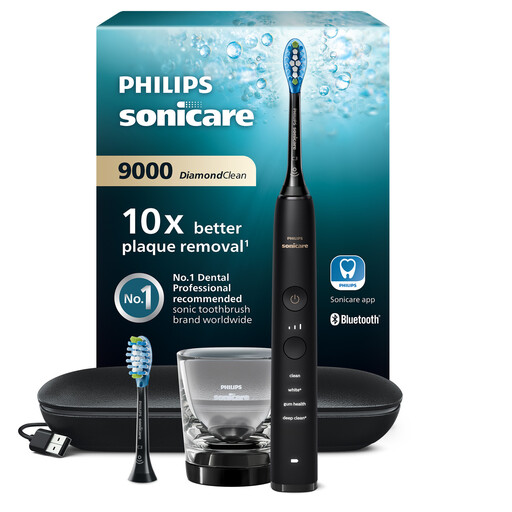
Why it's the right choice: The perfect model for those seeking a complete, premium experience. It combines top-tier cleaning performance, a sleek design, and connected features that add real value to tracking your oral hygiene.
The Philips Sonicare app offers real-time guidance and detailed progress reports. The connected feature thus becomes a true personal coach, far from being a simple gimmick.
Its 4 modes and 3 intensities offer 12 custom settings. Special mention for its premium accessories: an elegant charging glass and a USB-rechargeable travel case.
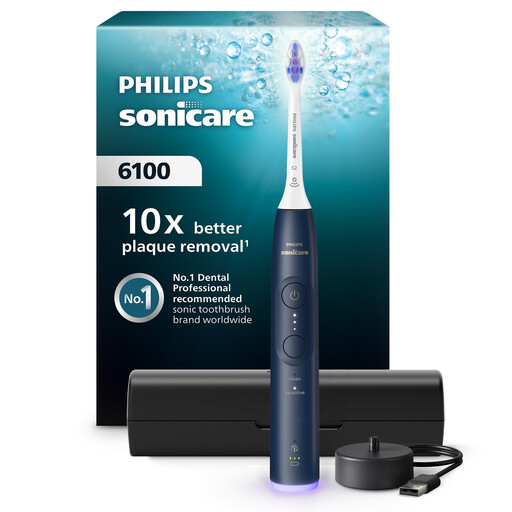
Why it's the right choice: Specially designed for those who need an effective yet gentle clean. It's the model of choice for people with sensitive gums who are wary of the harshness of some electric brushes.
Here, the pressure sensor doesn't just alert you: it actively reduces vibration intensity to protect the gums and prevent any discomfort. It's active safety, not just passive.
It comes with an ultra-soft S2 Sensitive brush head and offers a "Soft" mode in addition to the standard "Clean" mode for maximum comfort.
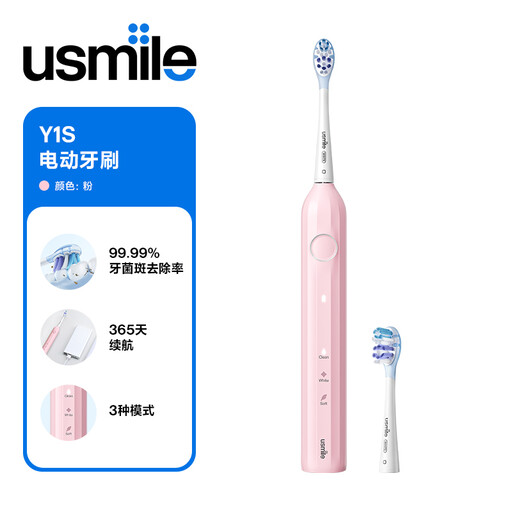
Why it's the right choice: The ideal companion for nomads and anyone who hates recharging their devices. This model focuses on simplicity and record-breaking battery life, without sacrificing the essentials.
It demolishes the problem of overstated battery life by lasting up to 6 months on a single charge. This isn't just a marketing claim; it's verifiable peace of mind every day.
Exceptional battery life, 3 brushing modes (Clean, White, Soft), and an included travel case. All for an unbeatable value.
Discover our full selection of products that meet our rigorous selection criteria and European safety standards.
It is recommended to replace the brush head every three months. Beyond that, the bristles wear out, lose their effectiveness, and can become breeding grounds for bacteria. Most recent Philips Sonicare models include BrushSync technology, which alerts you with an indicator light on the handle when it's time to change the brush head.
For the vast majority of users, the answer is a resounding yes. It is a crucial protective feature. Many of us have a tendency to press too hard, which can cause irreversible damage to the gums and enamel. The sensor is there to help us correct this bad habit.
Yes, sonic technology is often recommended because it is gentle and particularly well-suited for orthodontics, implants, crowns, and veneers. Its vibrations allow for effective cleaning around brackets and wires, where a manual brush struggles to reach. It is simply advisable to use a gentle mode (like "Gum Health") and a soft-bristled brush head. In any case, the best course of action is to ask your dentist or orthodontist for their advice.