
Livraison le jour même ou le lendemain

Qualité garantie

Débloquez vos offres de bienvenue: Livraison GRATUITE | Jusqu'à -80 % | 30 jours d'essai gratuits à JoyPlus
Téléchargez l'application
Fresh, homemade pasta in under 20 minutes? It's a tempting promise. Automatic pasta makers sell this dream, but beware of disappointment: the market is flooded with models that too often end up gathering dust in a cupboard after just a few uses.
As the head of product selection at Joybuy, my mission is to help you see things more clearly. Before you take the plunge, let's break down the 3 classic mistakes to avoid so you can choose a machine that will genuinely be useful in your daily life.
To make the right choice, focus on the features that truly matter for daily use. Here are the 3 points to examine closely.
To ensure your machine doesn't end up in a cupboard, the number one criterion is non-negotiable: ease of maintenance. A well-designed automatic pasta maker must allow for simple and quick disassembly of all parts that come into contact with the dough.
The texture of your fresh pasta depends directly on the quality of the kneading. A homogeneous mix of flour and liquids is essential.
For the machine to be a real help in the kitchen, it must fit your pace and your family's size.
Rather than an endless list, we've selected models that cater to specific user profiles, based on the performance and practicality criteria discussed above.
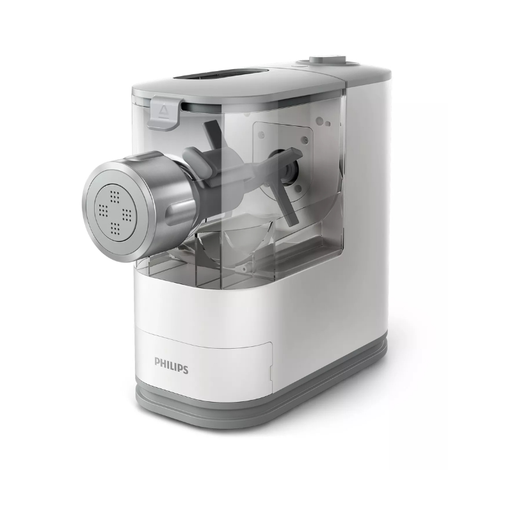
Why it's the right choice: Ideal for weeknight meals. Its 450g capacity can feed a family of 3-4, and its full 18-minute cycle lets you serve a fresh pasta dish in record time, even after a long day.
This model sidesteps the cleaning trap with its removable, dishwasher-safe parts. Its 450g capacity, perfect for family use, ends the frustration of making multiple small batches.
Exclusive kneading technology: Its kneading blade with optimised angles guarantees a homogeneous dough. Smart storage: An integrated drawer stores the 4 shaping discs and the power cord. No more clutter!
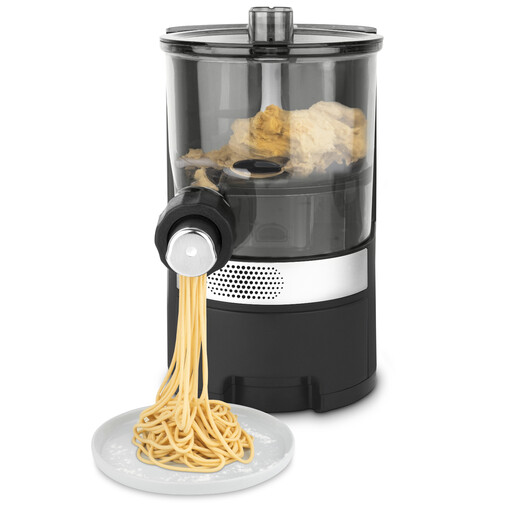
Why it's the right choice: For those who love to experiment in the kitchen. With 7 shaping discs, a built-in scale for gram-perfect measurements, and a gluten-free program, this machine offers the control and versatility to unleash your creativity.
This model avoids the trap of limited functionality by offering a wide variety of shapes and programs. The built-in scale eliminates guesswork and ensures flawless results, even with specialty flours.
Built-in scale: The machine weighs the flour and automatically calculates the required amount of liquid. Integrated drying: A fan blows air onto the pasta as it's extruded to prevent it from sticking together. Ingenious!
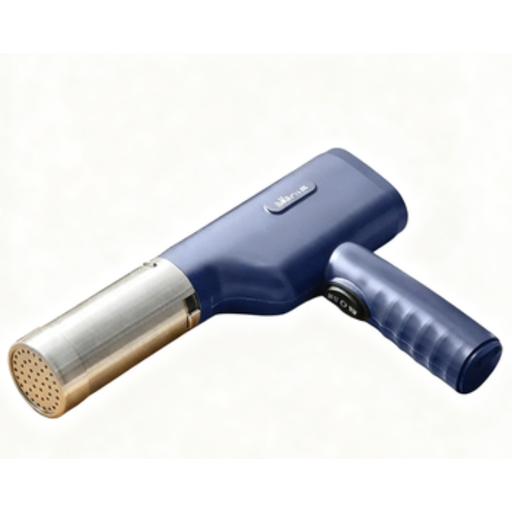
Why it's the right choice: A compact and affordable option for those cooking for one or two. Its 200g capacity is perfect for avoiding waste, and its mini footprint makes it easy to store, even in small kitchens.
This model avoids the trap of being over-equipped. There's no need to invest in a family-sized machine if your needs are more modest. It gets straight to the point without cluttering your worktop or your budget.
Ultra-compact: Its small footprint is a major asset for kitchens where every inch counts. The essential shapes: The 5 included discs cover all the daily classics.
We have put together a complete selection of machines that meet our selection criteria and current safety standards.
For optimal results, durum wheat flour (like '00' flour or a mix of all-purpose flour and fine-milled durum wheat semolina) is often recommended. It yields a more elastic dough that holds its shape perfectly during cooking. But the real fun of making your own pasta is experimenting! Whole wheat, spelt, or even gluten-free blends (on compatible models): the choice is yours.
It all depends on the model. On well-designed machines like the Philips Pasta Maker, a point often highlighted in user reviews, the process is greatly simplified. The removable parts are dishwasher-safe. The pro tip: never let the dough dry out. If you clean the parts right after use, the whole operation only takes a few minutes. The small cleaning tools provided are also very effective for the shaping discs.
Absolutely, and that's one of the great joys of these machines. You can replace eggs with water for a 100% vegan recipe, or incorporate vegetable juices (spinach, beetroot, carrot) to colour and flavour your pasta. The only rule is to strictly follow the liquid-to-flour ratio recommended by the manufacturer to ensure proper operation. It's an excellent way to prepare healthier and more original dishes.