Parents just starting weaning
Your baby is between 4 and 6 months old and you’re thinking of introducing a dairy product by spoon, without replacing a breastfeed or bottle feed.


A plain, unflavoured petit-suisse can be offered by spoon to a 4–6-month-old baby who has started weaning, alongside their usual milk. For their evening milk feed, stick to breastfeeding or a bottle: a petit-suisse is neither a warm drink nor a substitute for milk. Before choosing one, check the ingredients, the fat-content information and whether milk is listed as an allergen.
Your baby is between 4 and 6 months old and you’re thinking of introducing a dairy product by spoon, without replacing a breastfeed or bottle feed.
You’d like to know whether a petit-suisse can be part of your evening routine. The key is to distinguish a complementary food from a milk feed.
Check the ingredients before trying it, and ask a healthcare professional for advice if you’re concerned about a food reaction or possible allergy.
According to Manger Bouger, plain, unflavoured petit-suisses are among the dairy products that can be offered during weaning, alongside breastfeeding or a bottle feed. So if you’re looking for something to replace your baby’s evening milk feed, a petit-suisse isn’t the right choice. If you’re looking to introduce a new food by spoon, start by checking the recommended age and ingredients.
| What to consider | What to check | Who is it for? |
|---|---|---|
| Age and role of the product | Weaning has started after 4 months; offer the petit-suisse by spoon, alongside your baby’s usual milk. | Before adding a food to the evening meal, I want to be sure my baby is old enough to try it and will still have their usual milk feed. Around 33% of consumers would make this their top priority. |
| Ingredients | Look for “plain” and “unflavoured”; according to Manger Bouger, avoid 0%, skimmed or semi-skimmed versions for children under 3. | With several pots to choose from in the chiller, I want to tell a plain petit-suisse apart from a fruit, flavoured or reduced-fat version. Ingredients would come first for around 27% of consumers. |
| Evening meal | Offer it by spoon rather than as a drink; continue breastfeeding or bottle-feeding. | I’m looking for a way to include this food in the evening meal without confusing it with a milk feed. For around 27% of consumers, this would be their main concern. |
| Milk allergen | Check whether milk is listed in the ingredients; seek medical advice if there’s been a reaction or you’re unsure. | If I’m concerned about a food reaction, I want to check the allergen before offering the product. This would be a priority for around 13% of consumers. |
A petit-suisse is a weaning food to offer by spoon, not a drink or a substitute for breastfeeding or a bottle feed.
Keep your baby’s usual milk for their evening feed. Offer the petit-suisse separately, once weaning has started.
Plain petit-suisses may sit alongside fruit, flavoured or reduced-fat products. Manger Bouger recommends choosing plain, unflavoured dairy products and avoiding 0%, skimmed and semi-skimmed versions for children under 3.
Read the product name and ingredients on the pot you choose, even if the packaging suggests it’s suitable for young children.
The petit-suisse products described here contain milk. If there’s been a reaction or you’re unsure about an allergy, the label is no substitute for medical advice.
Look for milk in the ingredients and, if needed, ask a healthcare professional for advice before continuing to try the product.
Danone describes Gervita as a combination of fromage blanc and cream mousse. The name of the range alone doesn’t mean it’s a plain petit-suisse.
Check the exact product name and ingredients of the one you’re considering rather than relying on the brand name alone.
These examples are intended to help you compare specific product names and recipes, not to judge every product from a particular brand. When your baby is starting weaning, the label on the pot you choose is what matters.
Carrefour lists a Gervais plain petit-suisse in a pack of 12 × 60 g pots, with 9.5% fat.
The plain petit-suisse listed by Carrefour comes in a pack of 12 × 60 g pots and has 10.4% fat in the finished product.
Carrefour lists Danone plain petit-suisses with 3.4% fat, in a pack of 12 × 60 g pots.
Auchan’s range includes plain petit-suisses as well as fruit, flavoured and reduced-fat options.
Danone describes Gervita as a range combining fromage blanc with cream mousse, including a plain version.
These two first infant milks are for bottle-feeding when infant formula is suitable for your baby. They aren’t petit-suisses and aren’t an option if you’re looking for a food to introduce by spoon.
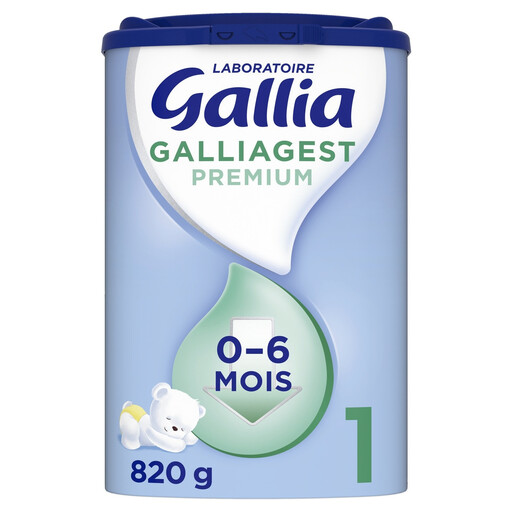 Image unavailable
For a bottle feed if infant formula is suitable for your baby; 820 g tin. Follow the preparation instructions on the packaging. This product isn’t a petit-suisse.
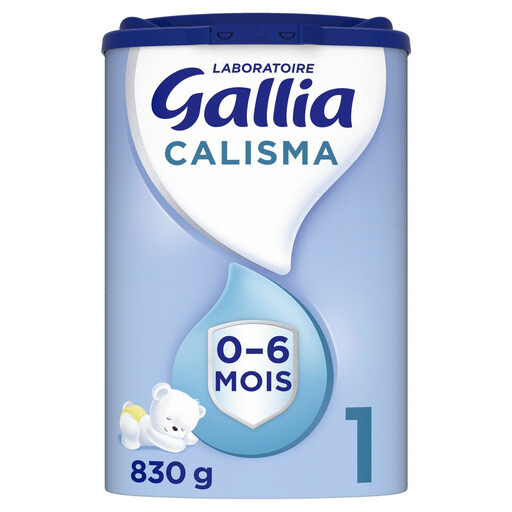 Image unavailable
For a bottle feed if infant formula is suitable for your baby; 830 g tin. Check the preparation instructions on the packaging. This product isn’t a food to introduce by spoon.
Yes, if they’ve started weaning: Manger Bouger lists petit-suisses among the dairy products that can be offered at this stage. Choose a plain, unflavoured product, offer it gradually by spoon and continue breastfeeding or bottle-feeding.
No. During weaning, a petit-suisse is a complementary food to offer alongside your baby’s usual milk. It isn’t prepared as a warm drink.
Check that it’s described as plain, read the ingredients and check the allergens, especially milk. According to Manger Bouger, 0%, skimmed and semi-skimmed dairy products aren’t suitable for children under 3.
Seek medical advice before continuing to try the product if your baby has had a reaction or you suspect an allergy. Manger Bouger notes that diagnosing an allergy can be complex: a single symptom isn’t enough to reach a conclusion on its own.