
Livraison le jour même ou le lendemain

Qualité garantie

Débloquez vos offres de bienvenue: Livraison GRATUITE | Jusqu'à -80 % | 30 jours d'essai gratuits à JoyPlus
Téléchargez l'application
If you have a pet, you know their well-being is about more than just good food and attentive care: play is just as crucial. Pet toys are far more than simple gadgets; they are essential for mental stimulation, physical activity, and overall happiness. The problem is, the market is saturated with options, making it easy to make a mistake and end up with a purchase you regret.
This guide is here to help you make sense of it all. We'll break down the mistakes to avoid and the criteria you must check before choosing a toy for your dog or cat.
Making the right choice is far from simple. Behind appealing marketing, many products hide flaws that can cost you dearly, or even endanger your companion. Here are the most common traps.
To avoid these disappointments, it's best to focus on a few fundamental points. They will help you objectively evaluate a toy's quality and suitability.
The choice of materials is arguably the number one criterion.
Not all toys are created equal. It's crucial to understand the type of stimulation they offer.
To guide you, we've selected a few products that meet specific needs while adhering to our criteria for safety and stimulation.
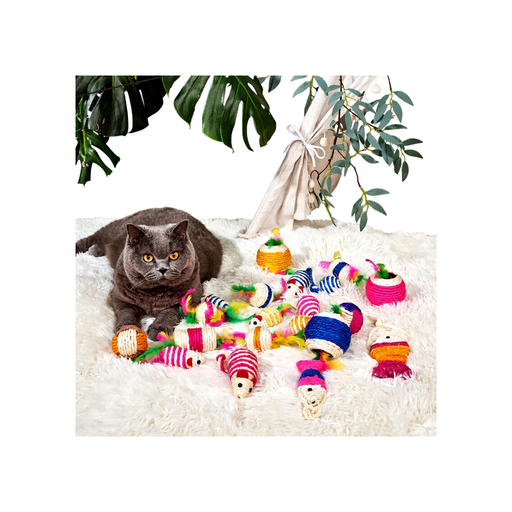
Why it stands out: Perfect for indoor cats who need to unleash their inner hunter. The lightweight balls and mixed textures mimic prey, encouraging chasing and pouncing.
This four-pack of balls avoids the "short-lived stimulation" pitfall. The variety of colours and the dual texture (soft feathers and rough sisal) captivate a cat's interest long-term.
Combines two cat-favourite textures in a single toy. The materials are guaranteed to be pet-safe.
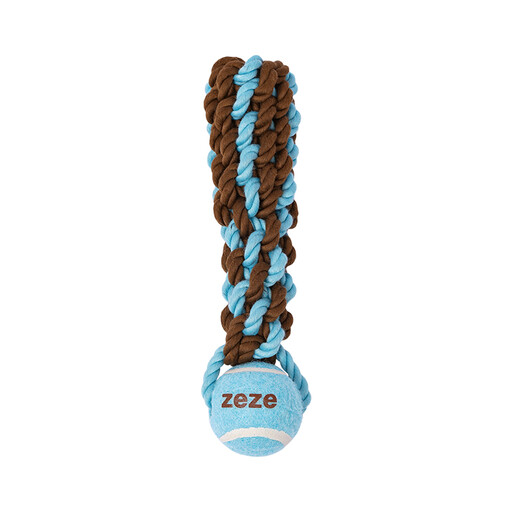
Why it stands out: Designed for interactive games like fetch or tug-of-war, this toy strengthens the bond with your dog while providing an excellent outlet for their energy.
It avoids the "deceptive durability" pitfall thanks to its hand-braided rope, designed to withstand pulling. It's intended for supervised play, which limits the risk of it being quickly destroyed.
The combination of a tennis ball and a sturdy rope offers two types of grip and play in a single object.
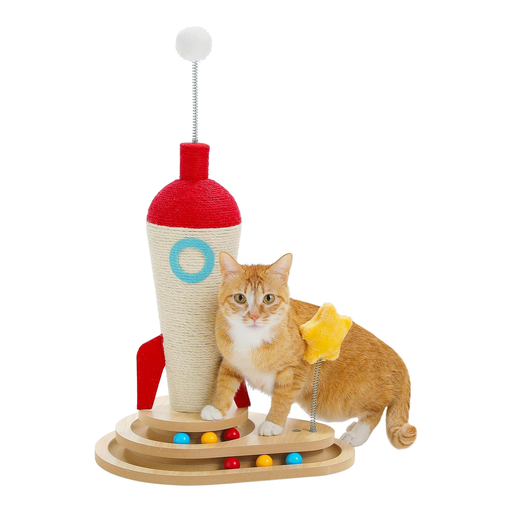
Why it stands out: Perfect for apartments or small spaces. It combines a scratching post, a ball track, and a feather wand, offering a complete play station that also protects your furniture.
Its multifunctional design combats fleeting interest. Its solid wood base and high-quality natural sisal post address the issues of durability and questionable materials.
It offers three types of play in one (scratching, hunting, problem-solving), ensuring varied stimulation and excellent stability.
If your cat is mainly interested in interactive balls, we have a dedicated selection for that too.
We've curated a full selection of products that meet our strict selection criteria and current safety standards.
There's no absolute rule, but regular inspection is essential. Replace any toy as soon as it shows advanced signs of wear: detached parts, cracks, frayed rope, etc. A damaged toy can quickly become a choking or intestinal blockage hazard. For hygiene reasons, also remember to wash plush or fabric toys regularly.
The safety of a dog chew toy depends on three factors: the material, the size, and your dog's chewing strength. Opt for materials that are tough but have some give, like natural rubber. The toy must be large enough that it cannot be swallowed. Finally, match its durability to your dog: a "power chewer" will need a much tougher toy than a moderate "nibbler."
This lack of interest can have several causes. Try toy rotation: don't leave all their toys out at once. Put some away for a week or two, then bring them back out. The novelty effect may be enough to rekindle their interest. Get more involved by using feather wands or by tossing a cat ball to initiate play. Lastly, toys containing catnip or silvervine are often incredibly effective at capturing their attention.