
Livraison le jour même ou le lendemain

Qualité garantie

Débloquez vos offres de bienvenue: Livraison GRATUITE | Jusqu'à -80 % | 30 jours d'essai gratuits à JoyPlus
Téléchargez l'application
Buying pet food or protein supplements seems straightforward… until you start comparing ingredients, formats and marketing claims. Between a cat food “with beef” that actually contains only a small amount of beef, halal minced meat whose fat content can vary wildly, and protein powders designed for completely different purposes, the wrong choice can quickly cost you.
Three common pitfalls keep cropping up:
A wet cat food or pouch for adult cats should clearly state its purpose. If it’s meant to form the bulk of their diet, look for the words “complete food”. Also check the target age, and for a neutered cat, whether the formula is suitable.
The ingredients list deserves a close look. A 85 g Gourmet mousse, for example, states 4% beef, with 10.5% crude protein and 77.5% moisture. It may be fine for an adult cat depending on their needs, but the stated beef content shouldn’t be mistaken for a majority meat content.
When comparing dry food for neutered cats, pay particular attention to:
When switching to a new dry food, it’s best to make a gradual transition over several days. Also make sure fresh water is always available.
Halal minced beef and beef steak mince are not nutritionally the same. The fat content directly affects calorie intake and how the meat behaves when cooked.
Here are some benchmarks for the products featured:
The halal product must be stored at –18 °C before opening and should not be refrozen after thawing. Always check the label, stated origin, ingredients list and the date on the packaging.
Whey protein is often chosen for its quick preparation and convenient use around training. The Optimum Nutrition product featured provides 24 g protein per 30 g serving, thanks to a blend of isolate, concentrate and hydrolysed whey. It contains milk and soya.
Micellar casein works differently. Its texture and stated digestion rate are unlike whey. The Gold Standard Casein references indicate 24 g protein per 33 g serving, of which 88% is micellar casein. It can be mixed with water, milk or added to a food preparation.
When choosing a protein drink or snack, check:
Supplements are not a substitute for a varied diet. The Nestlé Instant Resource Protein product, which contains 91 g protein per 100 g, is described as a food for special medical purposes. Its use must follow the instructions on the label and, if necessary, be under medical supervision.
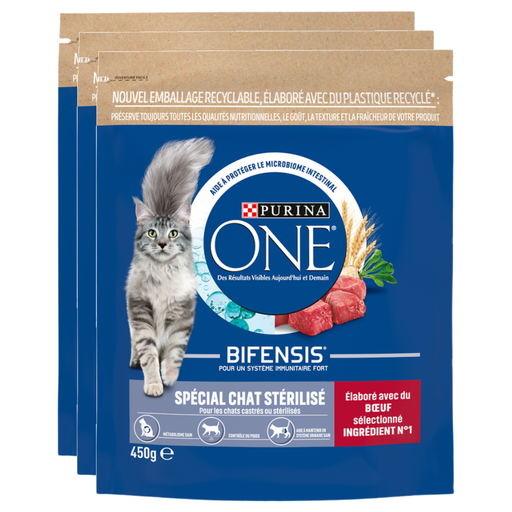
Why this suits this profile: The 1.35 kg size lets you try a dry food for neutered cats without committing to a large bag straight away.
The formula for adult neutered cats is clearly stated. You still need to check the ingredients and recommended daily amount on the pack.
Stated 37% crude protein and chicory root in the ingredients.
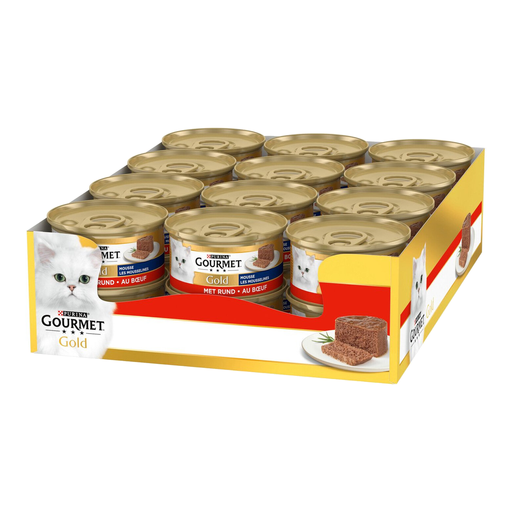
Why this suits this profile: Individual 85 g portions make serving easy and avoid leaving an open tin in the fridge.
The beef content is explicitly stated at 4%, so you won’t mistake the highlighted flavour for the actual composition.
A mousse designed for adult cats, sold in a pack of 24 tins, with a stated 10.5% crude protein.
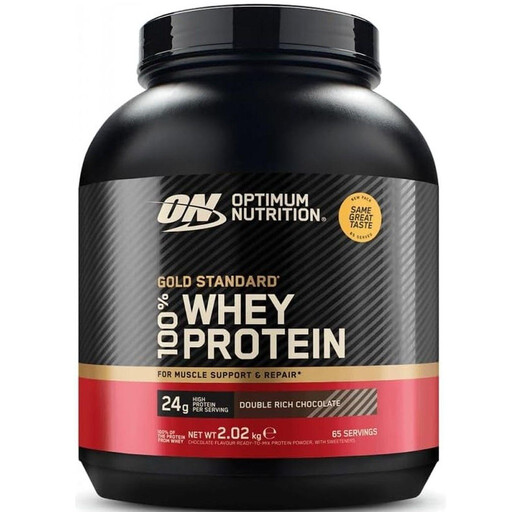
Why this suits this profile: The large 2.02 kg tub with a stated 65 servings is ideal for regular use, as long as you stick to the recommended dosage.
The protein content is given per serving, so you can work out the cost per use rather than just comparing bag weights.
24 g protein per 30 g scoop, with a stated 1.4 g fat and 1.6 g carbs per serving.
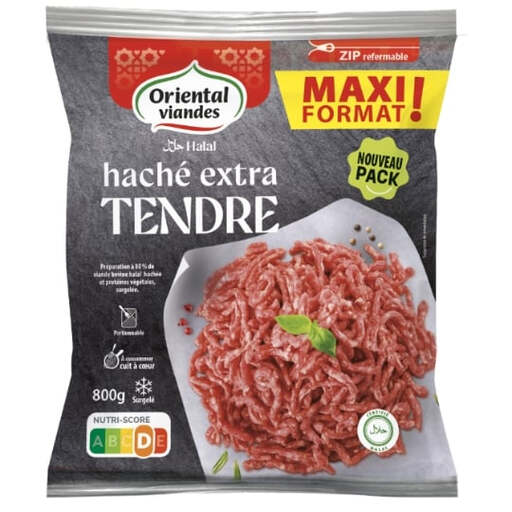
Why this suits this profile: This 800 g frozen format works well for family meals, meatballs and any recipe where you need to adjust the quantity.
The 20% fat content is clearly displayed, so you can adapt your recipes and calorie intake accordingly.
Stated 80% halal beef, EU origin mentioned, and convenient freezer storage.
We’ve put together a full, real-time selection of products that meet these exacting standards and European safety regulations.
Whey is usually chosen for its quick preparation and convenient use around exercise. Micellar casein comes from a different milk protein and stands out for its texture and a stated slower digestion rate. The choice depends on your habits, your diet and the product’s nutritional information.
Follow the instructions on the label. In practice, an opened tin should be covered, stored in the fridge and used quickly. Serve the food at room temperature when the manufacturer recommends it, and don’t leave a portion in the bowl for several hours.
Divide the price of the pack by the number of servings, then compare the protein content per serving. A cheaper tub may contain fewer doses or provide less protein per serving. Before you buy, also check the maximum dose, allergens and storage conditions.