
Livraison le jour même ou le lendemain

Qualité garantie

Débloquez vos offres de bienvenue: Livraison GRATUITE | Jusqu'à -80 % | 30 jours d'essai gratuits à JoyPlus
Téléchargez l'application
Buying pet equipment and DIY tools seems straightforward… until you have to compare sizes, materials and compatibility. A playpen that’s too low will quickly become unsuitable for a growing puppy, a poorly configured enclosure might let a rabbit escape, and the wrong roller could leave marks on a door or smooth wall.
To avoid nasty surprises, three mistakes crop up time and again:
For a wire rabbit run, the floor area must allow your rabbit to move around, eat and rest without feeling cramped. A larger number of panels gives you more layout options: a 12-panel version works well in a relatively small space, while a 24-panel model can be set up in a larger room or outdoors.
For a guinea pig enclosure, also check the sturdiness of each joint. With a puppy playpen, the height and the door’s locking system become even more important, especially when your pet starts jumping and exploring its surroundings.
An indoor and outdoor playpen with door should be placed on a flat surface. Outdoors, check its ground fixings, sun exposure and resistance to moisture. The door makes daily access easier, but you still need to make sure the lock is properly engaged.
A tight mesh reduces the risk of your pet getting its head or paws stuck. Nevertheless, you should inspect the edges, fastenings and connection points. Once assembled, no part should have sharp edges or excessive play.
Choose a space that suits your pet’s size and be especially vigilant during the first few uses. A playpen is not a monitoring device: it needs regular checks and doesn’t replace your pet’s need for exercise, food or interaction.
On the DIY side, the sleeve density directly affects how evenly the paint goes on. A high-density roller for smooth surfaces is ideal for walls, ceilings, doors, furniture and lightly textured cabinets. The final result, however, also depends on surface preparation, the type of paint and your technique.
The ROLLINGDOG Hi-Sheen 22.9 cm has a width of approximately 22.9 cm and a 5 mm pile. This 5 mm cageless roller requires a compatible 8 mm frame. Before you start, make sure the sleeve rotates freely and is properly secured.
Load the paint evenly, remove the excess on the tray grid, then apply it in smooth, criss-cross passes. Clean the roller immediately after use, following the manufacturer’s instructions: water is usually enough for water-based paints, while a suitable solvent may be needed for other formulations.
For a PetSafe 640 replacement flap, the key point is to check compatibility with your exact cat flap model. Replacement is done with a screwdriver, but the flap must move freely and close properly after installation. A damaged cat flap door should be replaced rather than held together with a makeshift repair.
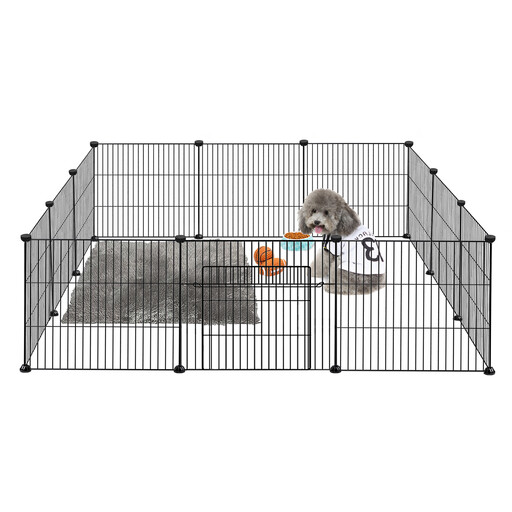
Why this suits this profile: With its 12 panels and built-in door, this playpen makes a practical first setup for a rabbit, guinea pig or small puppy, indoors or outdoors, depending on conditions.
The number of panels is clearly stated, so you can estimate the available area instead of relying solely on the photo.
Dense mesh, integrated door and suitability for both indoor and outdoor use.
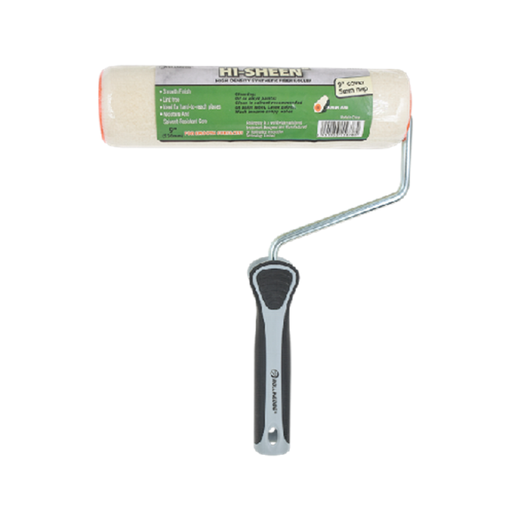
Why this suits this profile: This size is ideal for renovation work on smooth surfaces, provided the 22.9 cm width and compatibility with an 8 mm frame match your project.
The specifications clearly state the 5 mm pile, 22.9 cm size and required 8 mm frame, so you can check compatibility before buying.
High-density sleeve, cageless design and application intended for smooth walls, ceilings, doors and furniture.
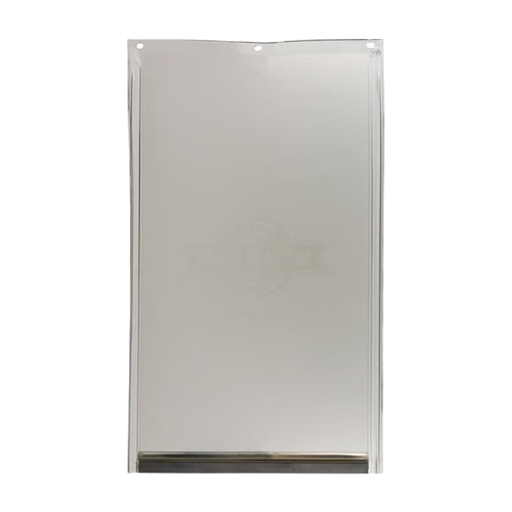
Why this suits this profile: This flap is designed for households with a compatible PetSafe cat flap who want to quickly restore their cat’s access.
The 640 reference is clearly stated, so you can check your cat flap model before ordering and minimise compatibility errors.
Flexible flap, screwdriver installation and easy cleaning with a damp cloth.
We’ve put together a complete, real-time updated selection of products that meet these strict criteria, as well as European safety requirements.
Assemble the panels on a flat surface, check each joint and make sure the door closes properly. Outdoors, add suitable ground fixings and avoid areas exposed to excessive heat or persistent damp. Always supervise your pet, especially during the first few uses.
It depends on the type of paint, how often you use it and how well you clean it. Rinse the sleeve as soon as you finish the job, let it dry completely, then store it away from dust. Replace it when the 5 mm pile is flattened, clogged with residue or misshapen.
No. The flap reference alone doesn’t guarantee compatibility with every model. Compare your cat flap’s reference, dimensions and fixing system before buying. After fitting, check that the flap moves freely and closes properly.