
当日/次日达

品质保障

开启新人专享福利: 全场免邮 | 低至 2 折 | 免费试用 30 天 JoyPlus 会员
下载 Joybuy
Mice in the kitchen, mosquitoes in the bedroom, ants near the windows or birds around your crops: pest control products address very different needs. Buying in a hurry, however, can lead to unnecessary expense, tricky installation or risks to children, pets and the environment.
Before choosing a trap, repellent or insecticide, start by identifying the pest, the area to treat and the safety precautions required. Here are the key criteria to consider when comparing the solutions available in the UK.
A mosquito repellent, a cat and dog repellent or a bird net aims to create a barrier or make an area less attractive. It may not be enough to deal with an infestation that has already taken hold.
Conversely, a mouse trap, an ant trap or a bed bug trap acts directly on the pests present. However, its reach is limited to where it is placed. So decide your goal before buying: preventing access, monitoring, capturing or reducing an existing population.
The protection period often depends on humidity, rain, ventilation, surface cleaning and frequency of use. A product designed for outdoors will lose some of its effectiveness if its granules become waterlogged or its holder is poorly fixed.
Claims like "up to 45 nights" or "up to three months" should be taken as estimates valid under the conditions specified in the instructions, not as a guarantee that will be the same in every home.
Biocides and insecticides require you to read the label carefully. Some products are intended for specific surfaces, while others are designed exclusively for indoor or outdoor use. Aerosols can be flammable and certain substances are dangerous for aquatic life.
Always check:
For a rodent control solution, compare live-capture traps, glue traps and other permitted mechanisms depending on your situation. A model with no active substance may be suitable if you want to capture without direct contact. A glue trap, however, requires particular care when handling the captured animal.
For insects, distinguish between:
A net must extend sufficiently beyond the area to be protected and be fixed around its entire perimeter. For a bird net, the mesh size and tension are crucial to reduce the risk of entanglement. A hail net, meanwhile, must match the dimensions of the structure and remain taut against the wind.
For traps, consider the size and the width of the passages. In a cupboard, cellar or behind furniture, a few centimetres can make the difference between a device properly installed and a trap poorly positioned.
Thick plastic, high-density polyethylene and UV-stabilised polypropylene do not meet the same needs. A reusable material reduces replacements but requires proper cleaning and storage.
For a reusable mouse trap, examine the trigger mechanism, the access for placing bait and the ease of cleaning. For garden nets, check the edges after cutting and store them dry outside the season of use.
The cards below match different products to specific uses. The features mentioned correspond to the information available on the product pages. For biocides, the instructions and label remain the only references to follow.
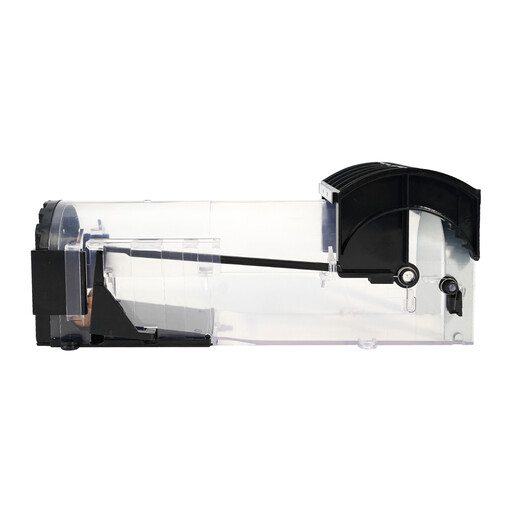
Why this choice suits this profile: this mouse trap, measuring 25 cm by 8 cm, fits easily in a kitchen, garage, office or store room, without requiring any insecticide.
Its transparent body and two-door system let you check the device without handling it directly. However, it must be kept out of reach of children and pets.
Live capture, thick transparent plastic, sensitive trigger and cleaning with soapy water before reuse.
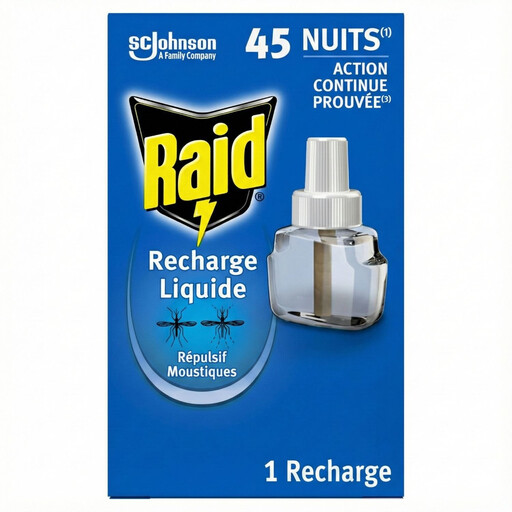
Why this choice suits this profile: this refill format is aimed at households wanting regular protection in a bedroom or living space during mosquito season.
This 32 ml refill is designed for a compatible diffuser and offers a stated autonomy of up to 45 nights of eight hours. The instructions recommend keeping it away from aquariums, bees and bird cages.
Fragrance-free formula, screw-on refill and usage duration stated by the manufacturer. Biocides must be used with care.
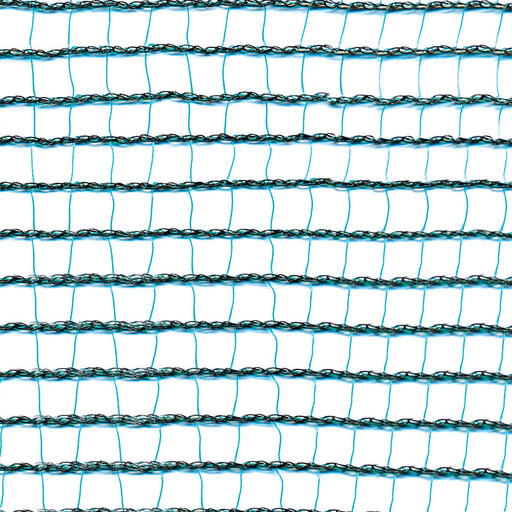
Why this choice suits this profile: this net is suitable for the garden when protecting fruit and vegetables from hail and certain birds is a priority.
Its dimensions of 2 × 5 m and 7 × 8 mm mesh allow you to cover a defined area. It must be stretched and fixed with suitable accessories, not supplied.
High-density polyethylene, UV protection, knotted weave and allows air, water and light to pass through.
The right location matters just as much as the product you choose. Place rodent traps along walls or near signs of activity. For an ant trap, position the unit close to the trails you have observed and avoid getting it wet. Sprays intended for surfaces should not be sprayed into the air, onto food or near animals until completely dry.
For a repellent intended for cats and dogs, apply the product only to the designated areas and reapply if rain, watering or cleaning has removed it. A net must remain properly taut, with no loose loops or edges accessible to wildlife.
We have selected a comprehensive list, updated in real time, of products that meet these selection criteria as well as European safety regulations.
The duration depends on the format. A diffuser refill may be designed for several nights, a sticky strip for several weeks and a net for several seasons if stored correctly. Check the duration stated on the packaging and replace the product when it is saturated, damaged or expired.
A mouse trap is generally placed along a wall, near a passageway or in an area where signs have been spotted. A bed bug trap can be installed near the bed frame, headboard, skirting boards or seating. These devices are also useful for monitoring the presence of unwanted pests. In the case of a persistent infestation, however, professional treatment may be necessary.
The cost depends on the number of rooms to treat, the frequency of replacement and the type of device. A reusable trap mainly requires bait and maintenance, whereas a diffuser or spray involves regular purchases of refills. Compare the unit price, the coverage area and the stated duration, rather than relying on the price tag alone.