
Livraison le jour même ou le lendemain

Qualité garantie

Débloquez vos offres de bienvenue: Livraison GRATUITE | Jusqu'à -80 % | 30 jours d'essai gratuits à JoyPlus
Téléchargez l'application
Personal protective equipment should not be chosen based solely on price or the promises displayed on the packaging. Whether you are on a building site, in a workshop, out skiing or skateboarding, the wrong size, an unsuitable standard or a misunderstood material can make your purchase largely ineffective.
However, the most common mistakes are easy to avoid:
The technical specification must match the activity being carried out and the risk involved. For respiratory protective equipment, standard EN 149 distinguishes between FFP2 and FFP3 levels, among others. The 3M 9332 is advertised as compliant with EN 149:2001 + A1:2009, in FFP3 NR D class. It is intended for environments with high exposure to dust and mists.
An FFP2 mask, such as the 3M 8822 sold in a pack of three, is designed to filter certain particles and airborne contaminants, in accordance with its product information. Its exhalation valve can improve comfort by limiting the build-up of heat and moisture, but it does not turn the mask into a solution suitable for every pollutant.
For coveralls, the designations Type 4, Type 5 and Type 6 correspond to different levels of exposure: liquid sprays, hazardous particles or limited splashes. 3M protective coveralls should therefore be selected after assessing the risks, taking into account the products being handled and the manufacturer’s recommendations.
Size affects more than comfort. It also determines the seal, freedom of movement and stability of the equipment:
The different items of equipment must also be suitable for wearing together. The 3M 2890S and 2891S glasses are presented as compatible with certain 3M respirators and hearing protection devices. However, trying on the complete combination remains essential before prolonged use.
A material provides information about how a product is made, but it is not enough to determine its level of protection. OutdoorMaster gloves combine 3M insulation, Kevlar reinforcement and a waterproof construction designed for skiing, snowboarding and winter activities. They are designed to keep your hands warm and dry, not to handle solvents or corrosive substances.
For eye protection, the polycarbonate used in the 3M 2890S glasses, together with scratch-resistant and anti-fog treatments, is practical for painting or using tools. Visibility also depends on keeping the lenses clean, adequate ventilation and a good frame fit.
Finally, a screen protector for Nintendo Switch 2 is not PPE in the regulatory sense. It is instead an accessory designed to help prevent scratches and minor everyday knocks. This distinction helps avoid treating products that meet entirely different needs as though they offered the same kind of protection.
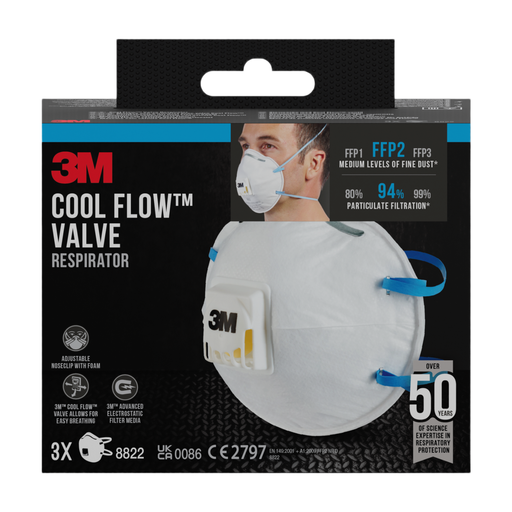
Why this choice suits this profile : A pack of three masks is ideal for occasional small jobs that create dust, provided you follow the fitting instructions and usage limitations.
The FFP2 class and the presence of a valve are clearly stated, helping you avoid mistaking a simple fabric mask for suitable protection during dusty work.
Pack of three, exhalation valve, lightweight design and stated suitability for construction, manufacturing and cleaning.
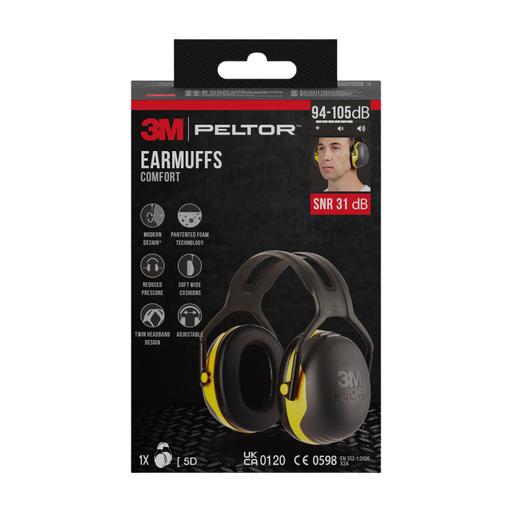
Why this choice suits this profile : This reusable hearing protection is designed for regular tool users, workshop professionals and anyone who spends time in noisy environments.
The SNR value of 31 dB and the EN 352-1:2020 standard are clearly specified. However, the earmuffs must still be selected and adjusted according to the actual noise level encountered.
Wide cushions, electrically insulated headband, generous internal space and stated compatibility with certain other PPE.
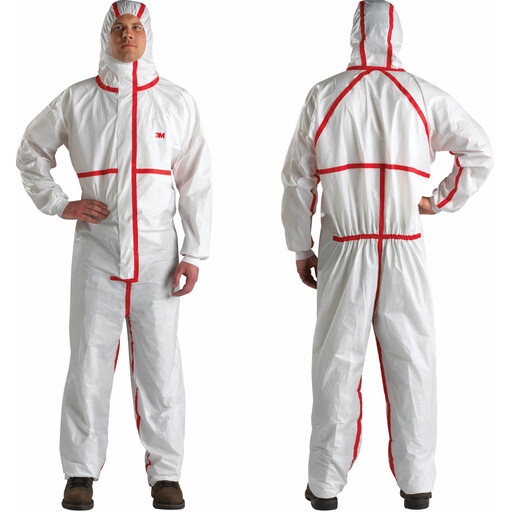
Why this choice suits this profile : Its hood and different protection categories make it suitable for certain industrial environments or treatment operations requiring a barrier against specifically defined particles and sprays.
The Types 4/5/6 and EN 14126 compliance stated in the product information make its usage limitations clearer than a vague claim of “professional protection”.
Category III, non-microporous fabric, integrated hood and supplied in a stated pack of 20.
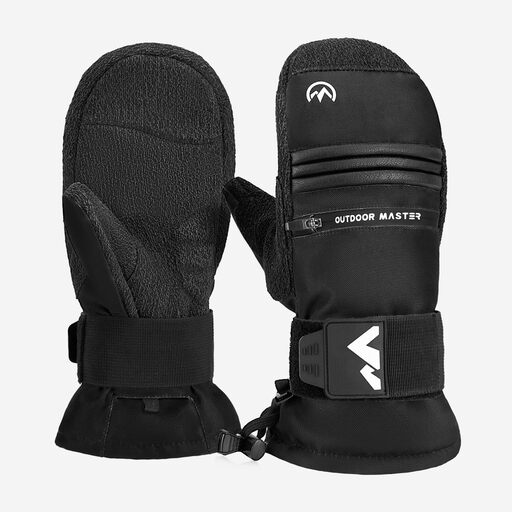
Why this choice suits this profile : These adult mittens in size S are designed for skiers, snowboarders and winter adventurers looking for insulation and protection against moisture.
Check the size, waterproof membrane and usage limitations before ordering, rather than choosing a pair based solely on its thickness.
3M insulation, Kevlar reinforcement, windproof and waterproof design, with air drying recommended.
We have selected a comprehensive range, updated in real time, of products that meet these demanding criteria and European safety regulations.
Before starting a task, inspect the equipment’s overall condition and read the instructions carefully. For a mask, check that it fits snugly against your face and replace it if it is damaged or breathing becomes difficult. For glasses, clean the lenses with a soft cloth and avoid abrasive solvents.
Disposable coveralls should be put on in a clean area, taking care to position the fastening, hood and flaps correctly. They should be worn with the other protective equipment specified in the risk assessment: gloves, footwear, glasses or respiratory protection.
With a skateboard helmet, tighten the adjustment dial and chin strap before every outing. The OutdoorMaster Oryx White S model is suitable for a head circumference of 52 to 55 cm and comes with two removable liners. After a significant impact, replacing it is recommended, even if the shell has no visible cracks.
FFP3 corresponds to a higher filtration class in the classification of respiratory equipment designed to filter certain particles. The choice depends on the risk, its concentration and the applicable safety instructions in the workplace. Neither type of mask protects against gases, vapours or a lack of oxygen.
The storage life depends on the type of product, its use-by date, how often it is used and its storage conditions. Disposable masks are intended for single use, in accordance with their product information. Reusable glasses, helmets and hearing protection should be checked regularly and replaced as soon as the shell, straps, padding or seals become damaged.
Consult the size guide and take the measurements requested by the manufacturer: head circumference for a helmet, garment size for coveralls, and hand length and width for gloves. Then try on the equipment with the other accessories you plan to use, checking that it does not leave gaps, apply excessive pressure or restrict your movement.