
Livraison le jour même ou le lendemain

Qualité garantie

Débloquez vos offres de bienvenue: Livraison GRATUITE | Jusqu'à -80 % | 30 jours d'essai gratuits à JoyPlus
Téléchargez l'application
Finding the perfect running shoe can be a daunting task. Between new foams, carbon plates, and marketing jargon, it's hard to cut through the noise. Our guide is here to help you make sense of it all and choose the pair of performance running shoes that will lead you to your next personal best—or simply turn your long runs into pure enjoyment.
Before diving into our selection, here are the key points to consider to make the right choice.
This is the heart of the engine. A midsole with generous cushioning (soft foams) prioritises comfort and protection over long distances. Conversely, firmer, more reactive foams offer better energy return and a propulsive feel, perfect for speed training. You'll need to choose your priority: absolute comfort for logging miles, or an explosive rebound for fast race shoes and dropping your times.
Your running surface dictates the choice of outsole. If you only run on asphalt, a smooth sole will suffice. But if your routes take you along park paths or forest trails, grip becomes crucial. For mixed use, opt for versatile running shoes: their subtle yet effective lugs ensure good grip without slowing you down on the pavement. The ideal compromise for lightweight all-terrain running shoes.
In competition or during interval sessions, lightness is king. Lightweight race shoes help reduce fatigue and increase your cadence. However, be aware: lightness often means less structure and support. It's all about finding the right balance based on your weight, your type of stride (neutral or pronator), and your target distances.
Here are three models that stand out from the pack for their technical specs and their ability to meet the needs of runners, from intermediate to the most advanced.
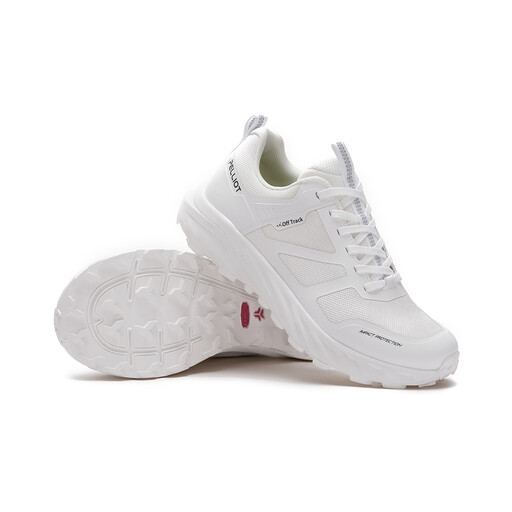
Why it stands out: This is the adventurer of the group, designed for runners who seamlessly transition from pavement to trails thanks to an ultra-versatile outsole.
Key features:
Who is it for? For the do-it-all runner who loves to mix it up between road, dirt paths, and forest trails, and who is looking for a single, robust pair for all their adventures.
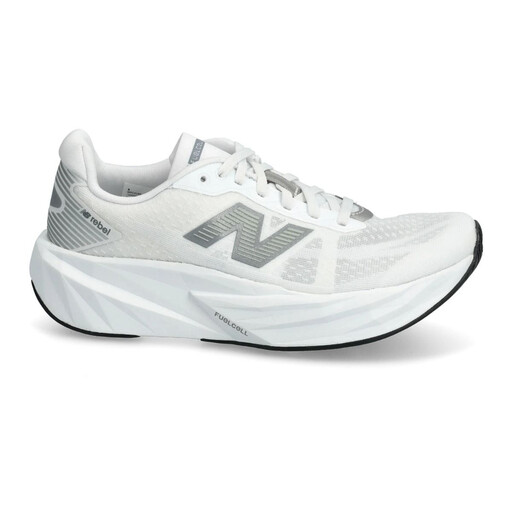
Why it stands out: Purely focused on speed and feel, the Rebel V5 is a dynamic powerhouse for shattering your times over short and medium distances.
Key features:
Who is it for? For the competitor at heart who wants an explosive shoe for their interval sessions and 5K/10K races. Ideal for those who love to "feel the road" while enjoying maximum rebound.
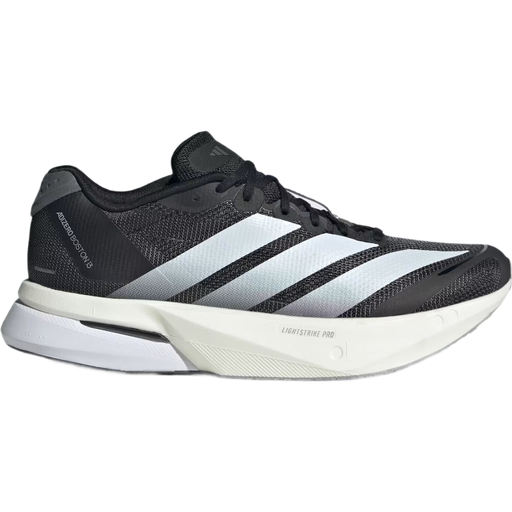
Why it stands out: The Boston 13 is the best of both worlds: race-day technology in a shoe designed for daily training. A versatile beast, combining speed, cushioning, and durability.
Key features:
Who is it for? For the demanding runner looking for the quintessential do-it-all shoe, just as high-performing for intensive training as it is on race day for a 10K or a marathon.
Choosing a running shoe is a highly personal decision. And if style matters to you as much as performance, our selection of white shoes for women might just catch your eye to complete your athletic wardrobe.
Expect a pair of running shoes to last between 500 and 800 kilometres (about 300-500 miles). This lifespan can vary depending on your weight, preferred running surfaces, and the shoe model. Trust the signs: a worn-out outsole, cushioning that feels flat, or new aches and pains are all indicators that it's time for a replacement.
It's possible, but not recommended. Fast race shoes, which are stiffer and less protective, are not ideal for recovery runs. The best approach is to rotate your shoes: a dynamic pair for speed, and another, more comfortable pair for easy runs and long distances.