
Livraison le jour même ou le lendemain

Qualité garantie

Débloquez vos offres de bienvenue: Livraison GRATUITE | Jusqu'à -80 % | 30 jours d'essai gratuits à JoyPlus
Téléchargez l'application
Buying Pepsi Zero Sugar online seems simple… until you need to compare the formats, ingredients and volume you actually need. From a pack of 6 cans and a Pepsi 24 x 33 cl pack to family-sized bottles and Pepsi SodaStream concentrate, the prices and possible uses vary.
Some marketing claims can also be confusing. “Sugar-free” does not mean free from sweeteners, and a large multipack is only good value if you have room to store it and can consume it before the date shown. Here are the main criteria to consider before choosing your Pepsi cans, classic cola or a drink-making solution for home.
A pack of 24 cans usually contains 7.92 litres, equivalent to 24 portions of 33 cl. This format is well suited to meals, parties and stocking up, but it inevitably takes up more space than a pack of 6 cans.
A 1 or 1.5-litre bottle may seem cheaper to buy. However, it gradually loses its fizz once opened. For individual or occasional consumption, cans have a clear advantage: each portion remains sealed until it is served.
Classic Pepsi contains sugar. According to the product information provided, the classic recipe contains approximately 18 to 18.5 kcal and 4.55 to 4.6 g of sugars per 100 ml. The exact recipe may vary depending on the market and the labelling on the product received.
Sugar-free Pepsi Max, often searched for under the names sugar-free Pepsi, sugar-free cola or Pepsi Zero Sugar, contains sweeteners. The PEPSI Max Zero Sugar 6 x 33 cl product information specifically mentions aspartame and acesulfame-K, with 0 g of sugars per 100 ml. The product contains a source of phenylalanine: if this information is relevant to you, check the label.
Pepsi SodaStream concentrate is not enough on its own. You will need a compatible machine, sparkling water and a CO₂ refill. The stated yield can reach 9 litres per 440 ml bottle of concentrate, but this depends on the dilution and level of carbonation selected.
Your total cost calculation should therefore include CO₂ refills, routine maintenance and compatible accessories. This solution may be worthwhile for a household that regularly makes its own drinks, but it does not replace a ready-to-serve pack of cans.
For one person, a couple or a student, a 6 x 33 cl pack takes up less space and helps you manage opened quantities more easily. The PEPSI Max Zero Sugar 6 x 33 cl Pack contains six individual cans.
For a family, party or regular supply, a pack of 24 cans will be more suitable. Compare the net volume, number of portions and available space in your cupboard or fridge: all three factors go hand in hand.
It is better to read the ingredients list than rely on the product name alone. A sugar-free drink may contain aspartame, acesulfame-K or other sweeteners. The classic version contains sugar and may also contain caffeine and plant extracts.
For anyone sensitive to certain ingredients, the label printed on the can remains the definitive reference. The caffeine content and recommendations shown on the packaging should also be considered in line with your household’s drinking habits.
Store cans and bottles in a cool, dry place away from sunlight. The “best before” date relates to product quality. Remember to check the date directly on the packaging. An opened drink should be kept in the fridge and consumed quickly to preserve its flavour and fizz.
For large multipacks, also check the delivery conditions and the condition of the cardboard packaging. Damaged packaging can make transport, storage and keeping the products at home more difficult.
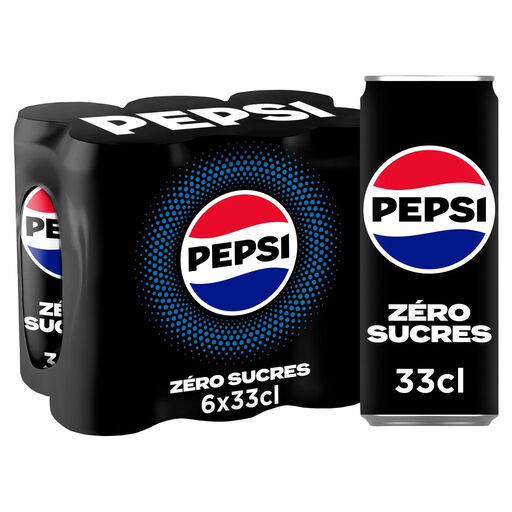
Why this choice suits this shopper: With six 33 cl cans, you can try Pepsi Zero Sugar without immediately committing to a large multipack. The format fits easily in a small fridge and is suitable for occasional drinking.
The number of cans and the volume of each one are clearly stated. You therefore know exactly how much you are buying.
A sugar-free version, an individual 330 ml format and easy storage.
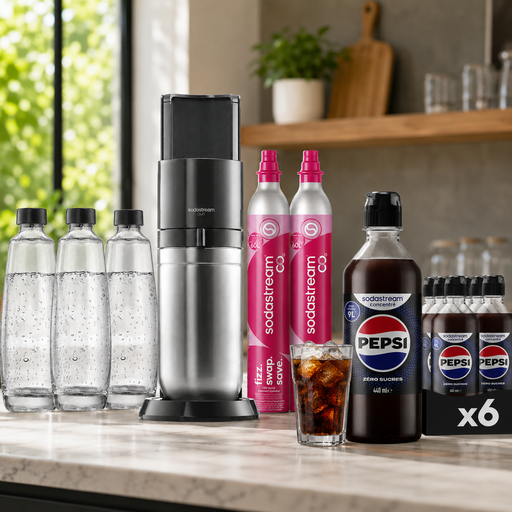
Why this choice suits this shopper: This solution includes a DUO machine, three 1-litre glass carafes, two CO₂ refills and six 440 ml Pepsi Zero Sugar concentrates.
The stated yield of up to 54 litres from the six concentrates is clearly explained, rather than relying on a vague claim about how long it will last.
DUO-compatible glass carafes, no electricity required and the Quick Connect system.
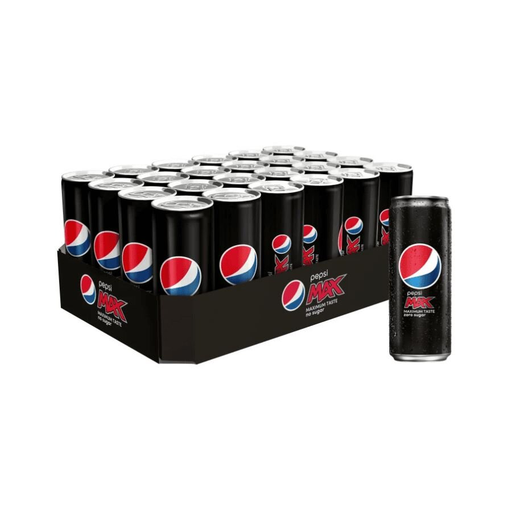
Why this choice suits this shopper: This pack of 24 33 cl cans provides 7.92 litres in total. It is suitable for households, associations, offices or events serving individual portions.
The total quantity and number of portions are specified, making it easy to assess what you need for a party or to stock up at home.
0 g of sugars per 100 ml according to the information provided, cans that are easy to hand out and production stated as being in France.
It all depends on the flavour you prefer and the nutritional information you consider most important. Classic Pepsi is available in 33 cl cans and 1.5-litre PET bottles. The bottle is better suited to sharing with a meal, while cans help minimise the loss of fizz after opening.
Pepsi Cherry adds a hint of cherry to the original recipe. The pack shown contains 24 cans of 33 cl and, according to its product information, provides 29 kcal and 7.2 g of sugars per 100 ml. Be sure to check the recipe and nutritional values before comparing it directly with sugar-free Pepsi Max.
When buying in bulk, look at the price per litre, number of portions and storage conditions rather than the price of the carton alone.
We have put together a complete, real-time updated list of products that fully meet these strict selection criteria and European safety regulations.
According to the product information provided, Pepsi Max Zero Sugar contains 0 g of sugars per 100 ml. However, it does contain sweeteners, including aspartame and acesulfame-K, depending on the product. Always check the ingredients printed on the packaging.
The best-before date is shown on the can or packaging. Before opening, store it in a cool, dry place away from sunlight. Once opened, place it in the fridge and drink it quickly to preserve the fizz.
A 440 ml bottle of concentrate can make up to 9 litres of drink. To find out whether it is genuinely more economical, include the cost of the concentrate, CO₂ and water in your calculation. If you drink it regularly at home, compare the cost per litre with that of a Pepsi 24 x 33 cl pack, while also considering the space available and your serving habits.