
Livraison le jour même ou le lendemain

Qualité garantie

Débloquez vos offres de bienvenue: Livraison GRATUITE | Jusqu'à -80 % | 30 jours d'essai gratuits à JoyPlus
Téléchargez l'application
Whether it's for back-to-school, stocking your office, or fuelling a creative passion, buying a set of pens can quickly become a headache. Faced with an avalanche of marketing promises, it's easy to end up with subpar products. A pen that smudges, a tip that wears out in days, ink that bleeds through the paper… Fortunately, these disappointments aren't inevitable. This guide is here to help you identify the criteria that truly matter and make an informed choice, perfectly tailored to your needs.
Before diving into the technical specs, let's review the most common pitfalls that lead to a disappointing purchase.
To get it right, focus on three fundamental parameters that determine a pen's performance and usability.
Each ink type has its own strengths, suited for specific uses.
The tip size, expressed in millimetres (mm), directly influences the look of your writing or drawings.
Sometimes you hold a pen for hours. A body that's too thin, a slippery material, or the lack of a grip can quickly lead to hand fatigue. Check for a rubberised grip area (anti-slip grip), the pen's weight, and its mechanism (retractable or capped) to find the ideal companion for your daily tasks.
Let's get practical with our selection of sets that tick all the boxes for quality and durability, tailored for specific user profiles.

Why it's a great choice: Essential for students juggling lecture notes who need to correct mistakes instantly. The 12-pack provides a year's supply without breaking the bank—a major selling point.
This model uses a high-quality thermosensitive ink that erases cleanly, without leaving ghosting or damaging the paper. Say goodbye to the trap of cheap erasable pens!
Its needle-like fine point of 0.5 mm ensures crisp, precise writing. The gel ink, meanwhile, provides a smooth glide that reduces hand fatigue during long note-taking sessions.
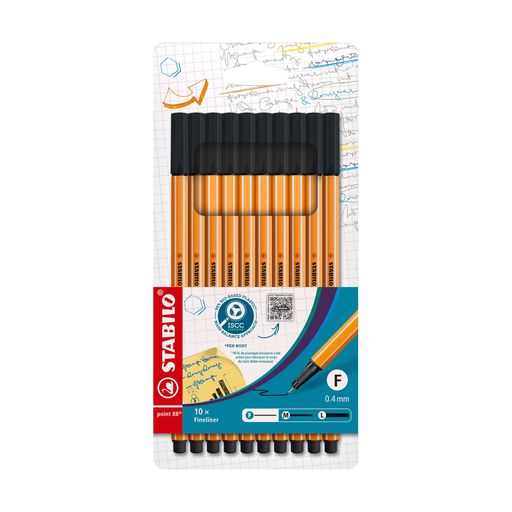
Why it's a great choice: Perfect for professionals who demand precision for annotating documents, organising their planners, or signing contracts. The black pen is a professional staple, and this set guarantees consistent quality.
Its metal-enclosed tip protects it from premature wear and crushing. The result: far greater longevity than entry-level fineliners and the ability to use it with a ruler without fear.
The ultra-fine 0.4 mm tip delivers a line with surgical precision. The added bonus? Its barrel is made from 96% bio-based plastic, a feature that will appeal to professionals conscious of their environmental impact.
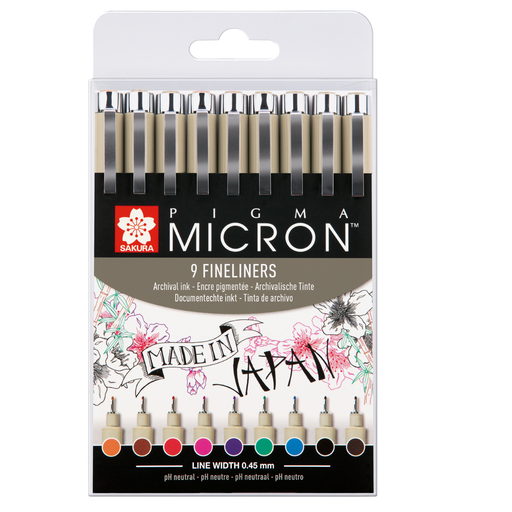
Why it's a great choice: Designed for illustrators, manga artists, and bullet journal enthusiasts. The archival quality of the ink is a non-negotiable criterion to ensure the longevity of artworks. This set of coloured pens expands creative possibilities.
The Pigma pigment ink is resistant to water, light, and chemicals. It doesn't smudge or bleed through most papers, preventing the tragedy of ruining a drawing after hours of work.
Its archival quality (pH neutral) ensures your creations will last. The calibrated 0.45 mm tip guarantees a consistent ink flow for clean, regular lines—a standard for technical drawing pens.
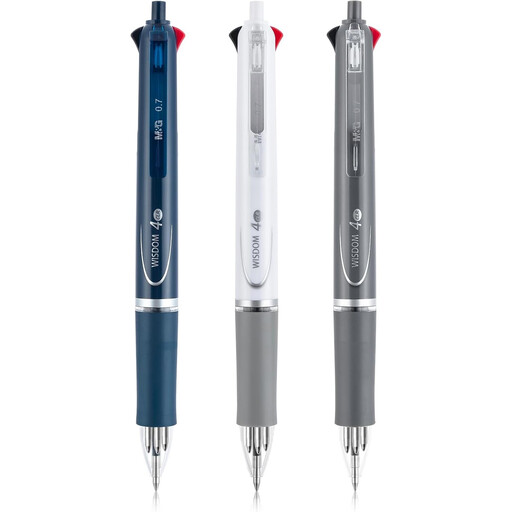
Why it's a great choice: For everyone who swears by colour-coding to organise their planner, to-do lists, or study notes. The 4-colour pen is the ultimate all-in-one tool, saving you from carrying a full pencil case.
Unlike some multicolor pens with mechanisms that get stuck, this model ensures a smooth and reliable colour change. Its rubber grip prevents it from slipping, a common flaw on smooth plastic barrels.
Its key advantage: practicality. Four colours (black, blue, red, green) in a single pen. The medium 0.7 mm point is versatile, and the non-slip grip ensures true writing comfort.
We've curated a complete selection of products that meet our demanding selection criteria.
For most models, and especially for gel pens, fineliners, and brush pens, storing them horizontally is recommended. This prevents ink from pooling on one side, thus ensuring a consistent flow. Also, always remember to securely replace the cap or retract the tip to prevent the ink from drying out.
Absolutely not. It is strongly advised not to use an erasable pen for any important document: contracts, cheques, exam papers, etc. The thermosensitive ink can be erased if the document is exposed to heat (like on a car's dashboard in summer or even under the lamp of a scanner). For these purposes, opt for a ballpoint pen with indelible black or blue ink, which is much safer.
It all comes down to the tip and the ink. A fineliner (or felt-tip pen) has a porous fibre tip and uses a fluid, often water-based ink, perfect for drawing clean, precise lines. A gel pen, on the other hand, has a ballpoint tip that deposits a thicker, more opaque gel ink onto the paper. The result? A very smooth gliding sensation and particularly vibrant colours.