
Livraison le jour même ou le lendemain

Qualité garantie

Débloquez vos offres de bienvenue: Livraison GRATUITE | Jusqu'à -80 % | 30 jours d'essai gratuits à JoyPlus
Téléchargez l'application
The world of pens and writing supplies is as vast as it is fascinating. Whether you're stocking a home office, preparing for back-to-school, diving into journaling, or searching for the perfect gift, the sheer number of options can be overwhelming. Faced with marketing promises, it's easy to end up with a disappointing writing tool. This guide breaks down the essential criteria to help you make an informed choice that's perfectly suited to your needs.
Before diving into the technical details, let's review the most common disappointments so you don't throw your money away.
To avoid these setbacks, focus on a few key points that will make all the difference.
This is the heart of the writing experience. Each technology has its strengths and weaknesses?:
The tip size, measured in millimetres (e.g., 0.5?mm fine point or 0.7?mm medium point), will determine the fineness of your lines.
A pen should feel like an extension of your hand. The materials directly influence its weight, balance, and durability. A body made of aluminium or high-quality resin, like those offered by Faber-Castell, provides a feeling of sturdiness and a pleasant balance. Models with a textured or ergonomic grip area, like those on certain STABILO pens, ensure much better long-term comfort. The mechanism, whether retractable or capped, is a detail that matters for everyday convenience.
Here are a few options that meet specific needs, taking into account quality and user comfort criteria.
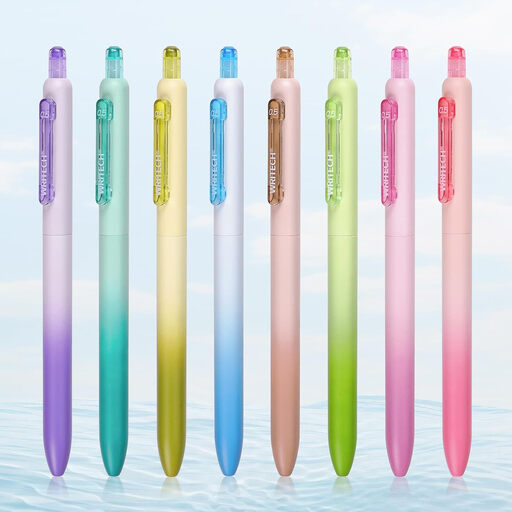
WHY IT'S A GREAT CHOICE : This set is perfect for organising notes with a colour-coding system. The silent click mechanism is a real plus for working in a library or open-plan office without disturbing others, and the fine point is ideal for precise writing in planners or on revision cards.
The quick-drying ink prevents smudging, a relief for left-handers. The ribbed grip area provides a level of comfort often lacking in overly minimalist gel pens.
The patented silent click mechanism and dual-ball tip ensure smooth, skip-free writing, even during intensive note-taking.
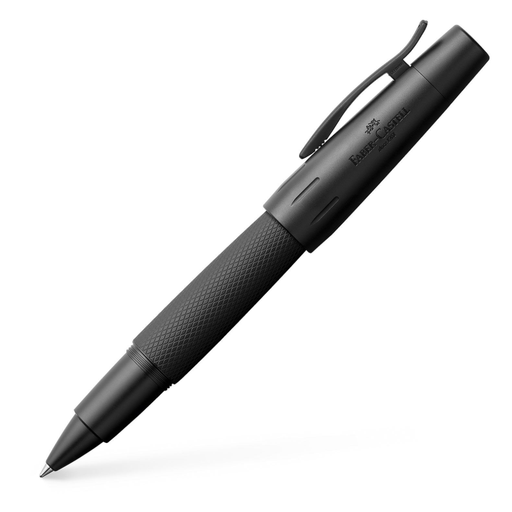
WHY IT'S A GREAT CHOICE : For those who see a pen as a beautiful everyday object. Its minimalist design and premium materials make it an excellent choice for professional use, signing important documents, or as a sophisticated gift.
Its "cigar" shape is designed for ergonomics and offers perfect balance, avoiding the "beautiful but uncomfortable" trap. The German precision engineering guarantees a durable and reliable rollerball tip.
The black anodised aluminium body is both lightweight and robust. Refillable with standard rollerball cartridges, it's a sustainable investment.
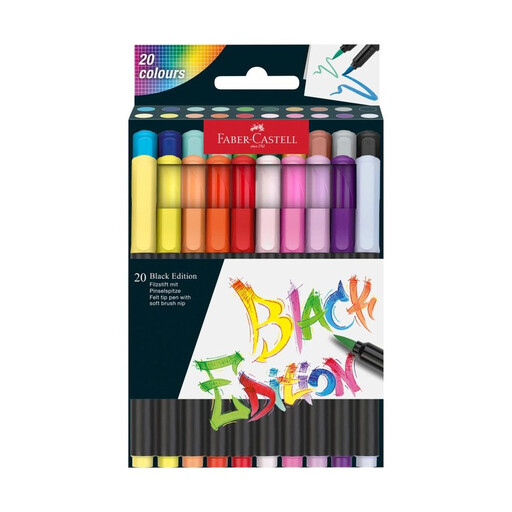
WHY IT'S A GREAT CHOICE : This set is a true toolkit for creative minds. It's perfect for starting out or perfecting modern lettering, illustration, or adding an artistic touch to a journal.
Unlike the tips on low-end felt pens, these high-quality synthetic fibre tips are flexible and durable. They don't fray easily, thus avoiding the "fragile tip" pitfall.
The flexible tip allows you to create an infinite variety of strokes, from the finest to the broadest, simply by varying the pressure. The palette of 20 vibrant colours opens up a wide range of creative possibilities.
We have compiled a selection of products that meet our criteria for quality and user comfort.
1. What is the difference between a rollerball, a gel pen, and a ballpoint pen??
It's all about the ink. The ballpoint pen uses a thick, oil-based ink that is reliable and cost-effective. The rollerball pen uses a more fluid, water-based ink for a very smooth glide that requires less pressure. Finally, the gel pen contains a pigmented ink, thicker than a rollerball's, which delivers intense colours and very crisp writing.
2. How do I maintain a fountain pen to make it last??
Maintaining a fountain pen is quite simple. It is advisable to clean the nib and its feed with clear, lukewarm water every 4 to 6 weeks, or whenever you change ink colours. Always remember to cap the pen securely to prevent the ink from drying out. Finally, using high-quality inks and cartridges will ensure the longevity of its mechanism.
3. Do erasable pens damage paper??
No, not if they are used correctly. The ink in modern erasable pens is thermosensitive: it becomes invisible from the heat generated by friction from the "eraser" tip. Unlike a traditional eraser, this process does not damage the paper fibres and leaves no residue. Just be sure not to rub too hard.