
Livraison le jour même ou le lendemain

Qualité garantie

Débloquez vos offres de bienvenue: Livraison GRATUITE | Jusqu'à -80 % | 30 jours d'essai gratuits à JoyPlus
Téléchargez l'application
Whether you're taking notes, drawing, or trying your hand at calligraphy, the right pen or marker can make all the difference. The problem is, the market is saturated with marketing promises that often lead to disappointment: ink that bleeds through the paper, a tip that wears out in record time, or a grip that offers purely illusory comfort.
As the Head of Product Recommendations at Joybuy, my mission is to help you navigate this jungle. This article breaks down the essential criteria for making an informed choice and avoiding the most common traps. The goal: to ensure your next purchase is finally the right one.
Before we get into the technical details, let's review the most frequent disappointments to help you avoid throwing your money away.
To ensure you choose a reliable writing or drawing tool, two aspects are paramount: the tip-and-ink combination and the ergonomics.
The tip is the core of the tool. Its shape and material define its intended purpose.
The ink's composition has a direct impact on the final look, durability, and risk of smudging.
Different users have different needs. Here is a selection of products that check all the boxes for quality and durability, tailored for distinct profiles.
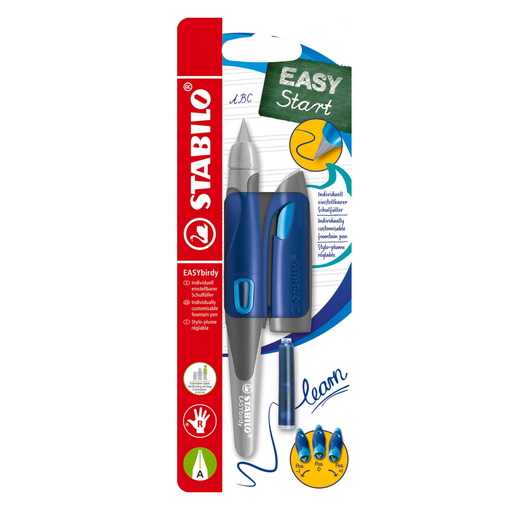
Why we chose it: Specifically designed for children learning to write, this fountain pen guides finger placement and helps establish good posture from the start.
It avoids the "fake ergonomic pen" trap. Its non-slip grip zone and shape have been engineered to reduce fatigue and encourage a correct pen hold.
Its nib can be adjusted to three different angles to perfectly suit the child's hand position—a feature as rare as it is practical.
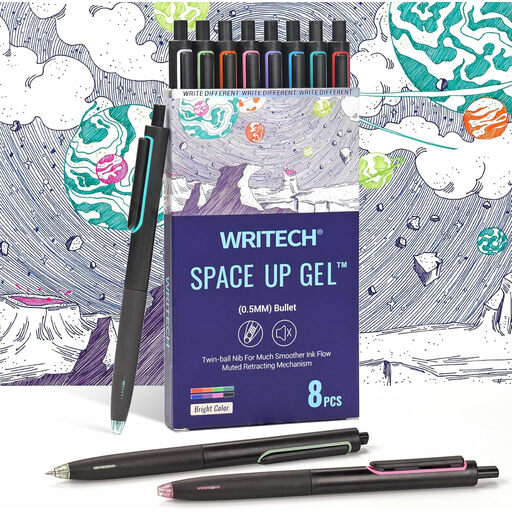
Why we chose it: An ultra-versatile set for anyone who loves to colour-code their notes. Ideal for *bullet journaling*, study cards, or daily planning.
It directly tackles the smudging ink trap. Its ultra-fast-drying ink is remarkably effective, making it a prime option for left-handers.
Its click mechanism is silent, a detail that makes all the difference in an office or library. The triangular barrel ensures a very comfortable grip.
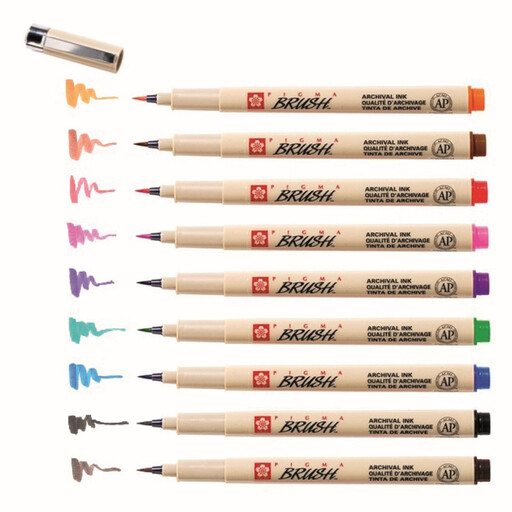
Why we chose it: The go-to set for illustrators, manga artists, and calligraphy enthusiasts. Its brush tip offers unparalleled expressiveness.
It sidesteps the fragile tip pitfall. Its synthetic tip is both flexible and highly durable: it retains its shape even after intensive use, unlike low-end felt tips.
The pigment-based Pigma ink is archival quality: permanent, waterproof, and fade-resistant. It's the guarantee that your creations will stand the test of time.
Explore our full selection of products that meet our quality criteria and current safety standards.
To help you finalise your choice, here are our answers to the most common questions.
The golden rule: always cap your pen immediately after use, even for a short break. For maintenance, rinsing the nib and its feed with cold water every few weeks is recommended. It's essential if you're changing ink colours to prevent clogging and ensure a smooth flow.
Simply put, dye-based ink dissolves into its liquid base. The result: highly saturated colours, but a high vulnerability to water and light (fading). Pigment-based ink, on the other hand, contains fine solid particles that sit on top of the paper. Once dry, it becomes permanent and water-resistant. This is a critical feature for art supplies and documents you wish to preserve.
Yes, provided you choose a model with smudge-proof ink that dries in the blink of an eye. Gel pens with near-instant-drying inks, like certain models from WRITECH, are often an excellent solution for left-handers. They help prevent you from dragging your hand over fresh ink and smudging the page.