
Livraison le jour même ou le lendemain

Qualité garantie

Débloquez vos offres de bienvenue: Livraison GRATUITE | Jusqu'à -80 % | 30 jours d'essai gratuits à JoyPlus
Téléchargez l'application
Looking to refresh your decor without committing to a major renovation?? Does modernising an old piece of furniture, changing a room's atmosphere, or simply adding a touch of character to a wall seem like an impossible task?? Peel-and-stick wallpaper is the perfect solution, increasingly popular for its simplicity and stunning effect.
To help you make sense of it all, we've broken down the essential criteria for choosing the right design and curated our top picks to inspire you.
Before you start, there are a few key points to check to ensure the result lives up to your expectations. Even though peel-and-stick wallpaper is easy to use, selecting the right model is crucial to avoid disappointment.
The key to a successful application is surface preparation! Peel-and-stick wallpaper adheres perfectly to smooth, clean, dry, and non-porous surfaces. Painted walls (with paint in good, non-flaking condition), cupboard doors, and melamine or varnished wood furniture are all perfect candidates. However, steer clear of textured, grainy, or freshly painted walls (wait at least 3 to 4 weeks). A poorly prepared surface will compromise the adhesion and durability of your new covering.
Most high-quality peel-and-stick wallpapers are made of vinyl (PVC). This material has more than one trick up its sleeve: it's resistant, durable, and can be cleaned with a simple wipe of a damp sponge. These advantages make it ideal for refurbishing a kitchen cabinet, a backsplash (away from direct heat sources), or protecting the wall behind a desk. For a simple accent wall in a bedroom or living room, moisture resistance is less critical.
The choice of pattern sets the tone and defines the room's atmosphere.
To turn inspiration into action, here are three models that cater to very different tastes and styles.
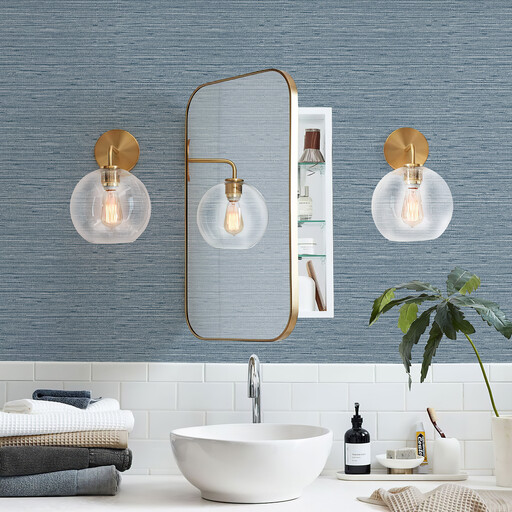
Why we love it:? This design stands out for its subtle texture, a cross between a linen weave and denim. Its blue hue, both understated and modern, gives depth to the wall without making it feel heavy. It plays elegantly with light to create a calm and refined atmosphere.
Key features:?
Who is it for? For anyone looking to create a serene and contemporary ambiance. It's perfect as an accent wall behind a desk, for updating cupboard doors, or for lining the back of a bookshelf.
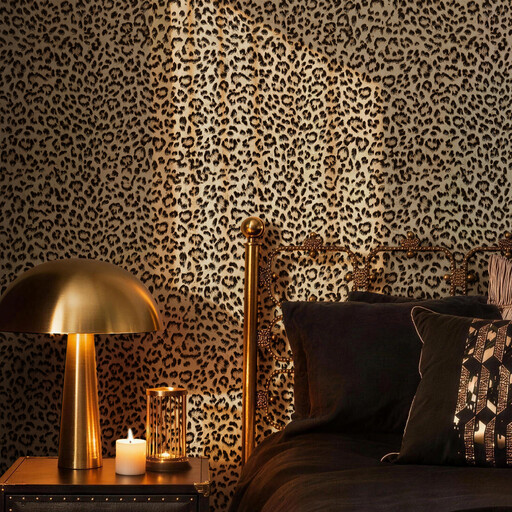
Why we love it:?Leopard print wallpaper is a timeless classic that instantly adds character and personality to a room. Far from being tacky, this pattern is surprisingly versatile and pairs beautifully with neutral tones (black, beige) and natural materials like wood.
Key features:?
Who is it for? For bold DIY enthusiasts. It's fantastic for targeted accents: lining a wall niche, covering stair risers, updating the front of a dresser, or decorating the inside of a wardrobe.

Why we love it:? This adhesive roll for furniture and walls perfectly mimics the ultra-trendy look of black wood slats. It brings an architectural and modern touch with its strong vertical lines, creating a striking contrast and a sophisticated look—without the complexity and cost of real wood panels.
Key features:?
Who is it for? For those who want a structured, designer touch without breaking out the toolbox. Ideal for creating an accent wall behind a sofa or TV, modernising a headboard, or for a furniture makeover with a premium finish.
These three models are just a taste of the endless possibilities of peel-and-stick wallpaper. If you have another idea in mind or are simply curious, many other designs are waiting for you.
Explore our complete collection of wall art and wallpapers to find the pattern that will be the perfect match for your project.
1. Does peel-and-stick wallpaper damage walls?? On a sound, smooth, and properly painted surface, a quality peel-and-stick wallpaper should be removable without leaving residue or damaging the paint. However, be cautious: on old, fragile, or flaking paint, there's a risk it will peel off with the wallpaper upon removal. Our advice: always test on a small, inconspicuous area before tackling an entire wall.
2. Can you install peel-and-stick wallpaper in a bathroom?? Yes, but under certain conditions. Choose a moisture-resistant vinyl wallpaper and apply it only in the "dry" zones of the bathroom, meaning away from direct water splashes (so avoid the inside of the shower or the wall right behind the bathtub). Also, remember to ventilate the room well to limit condensation.
3. How do you avoid air bubbles during application?? The secret to a perfect finish? Start by applying the top of the strip, then peel back the protective film little by little, about 15 to 20 cm (6-8 inches) at a time. Using a squeegee or a soft cloth, smooth the paper from the centre outwards to push out the air as you go. Patience is your best friend for a flawless result.