
Livraison le jour même ou le lendemain

Qualité garantie

Débloquez vos offres de bienvenue: Livraison GRATUITE | Jusqu'à -80 % | 30 jours d'essai gratuits à JoyPlus
Téléchargez l'application
A peel and stick wallpaper can transform a wall, a door or a piece of furniture in just a few hours, with no glue and no major DIY work. But a pretty picture alone isn't enough to make the right choice. A roll that's too small, a poorly prepared surface or a tricky pattern to match – these details can quickly push up the cost and ruin the final result.
This guide is for homeowners, tenants and DIY enthusiasts who want to compare self-adhesive wallpaper, PVC wallcoverings or 3D wall panels, depending on the surface area, the intended use and the level of finish you're after.
A roll measuring 44 × 305 cm covers approximately 1.34 m², while a 60 × 305 cm model covers roughly 1.83 m², according to the information provided for these references. However, cutting around sockets, skirting boards and corners reduces the usable surface area.
To avoid ordering too little material, measure the width and height of the area you want to cover, then allow extra for pattern matching. With a floral design or a wood effect wallpaper, this precaution is particularly important: the strips must remain perfectly aligned.
Peel and stick wallpaper is designed to be applied to a smooth, clean, dry and flat surface. Flaking paint, greasy residue or a heavily textured wall can prevent the adhesive from holding properly and cause the edges to lift.
A PVC wallcovering can generally be cleaned with a damp cloth, but that doesn't mean it will withstand heavy water splashes, direct heat sources or outdoor installation. Always check the recommendations on the product page before placing your order.
Vertical patterns, marble veining and embossed panels require far more precision than a plain surface. A first strip positioned incorrectly can throw off the entire layout. For a feature wall wallpaper, first draw a vertical reference line and only remove the protective film little by little.
Always compare:
Longer rolls reduce the number of joins on a feature wall. For example, a 44 × 508 cm reference covers around 2.24 m² and can suit a larger area than a 44 × 305 cm roll.
Vinyl PVC is very common for self-adhesive wallpaper. Its surface can usually be wiped clean with a damp cloth, but abrasive products should be avoided. Paper-based models, such as some non-adhesive 3D wallpapers, require a suitable glue and a different application method.
To dress a piece of furniture, a door or a cupboard front, check that the surface is varnished wood, sealed board or covered with a paint that adheres properly. Porous, dusty or heavily textured surfaces are less suitable.
Prepare the surface – dust it and degrease it – before you start. Apply the wallcovering slowly, from top to bottom, smoothing from the centre outwards using a flexible card or squeegee. Unlike self-adhesive rolls, embossed PVC panels may require glue or double-sided tape.
Keep the wallcovering away from direct heat sources and naked flames. In a bathroom, stick to dry areas, away from significant splashes. Testing on a small, inconspicuous area will also help you check compatibility with the surface.
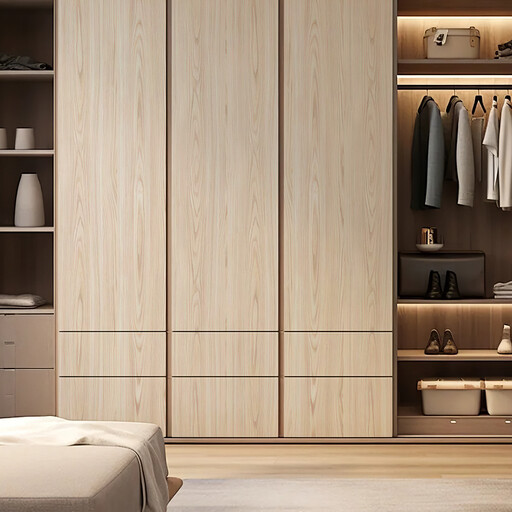
Why this choice suits this profile: With its 60 cm width and light wood grain pattern, this roll is ideal for renovating a small piece of furniture, a door or an entrance wall. The grid on the back makes straight cuts easier.
The stated coverage of approximately 19.7 square feet helps you estimate the quantity needed more accurately before ordering.
Vinyl PVC, self-adhesive application, wipe-clean surface and light wood grain pattern suitable for cupboard fronts and smooth panels.
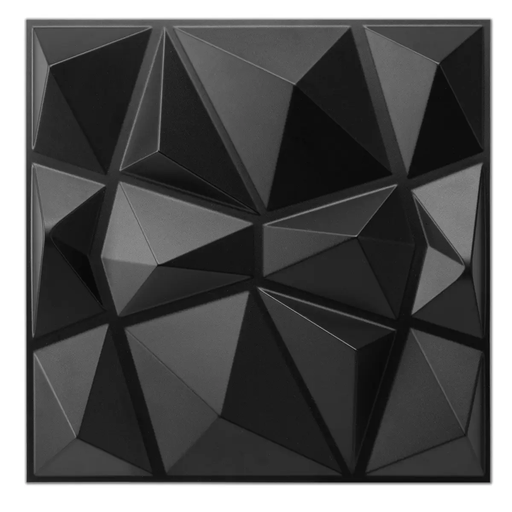
Why this choice suits this profile: Its geometric black relief creates a bold look in a living room, office or behind a piece of furniture.
The dimensions of 30 × 30 cm per panel are clearly stated, making it easier to plan rows and cuts.
33 panels per pack, rigid PVC, embossed diamond pattern and installation with glue or silicone depending on the surface.
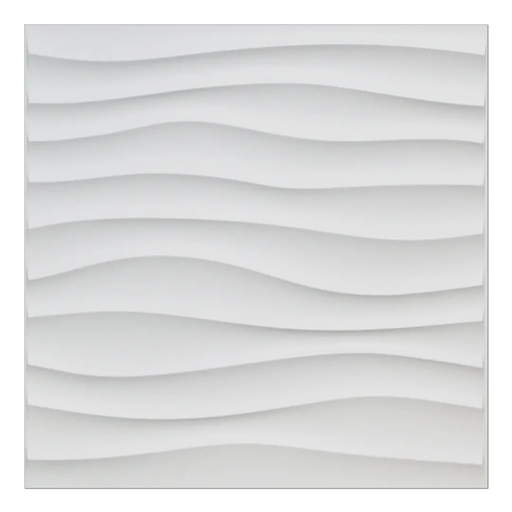
Why this choice suits this profile: With their 50 × 50 cm dimensions, these panels allow you to cover a large area quickly – for example, a wall behind a television, a bedroom or a commercial space.
The size of each tile reduces the number of joins over a large area, provided the wall has been properly prepared.
Pack of 12 panels, flexible PVC, stated as moisture-resistant and installation with glue or double-sided tape.
We've put together a comprehensive, real-time updated selection of products that meet these demanding criteria and European safety standards.
It can be suitable for a reversible renovation, but how easy it is to remove depends on the condition of the paint and the quality of the surface. Always test the wallcovering on a small, inconspicuous area, then remove it gradually. A friable or poorly painted surface may peel away with the adhesive.
Its lifespan varies depending on wall preparation, humidity, temperature and wear and tear. Applying it to a smooth, dry, degreased surface will help it last longer. Avoid areas exposed to direct heat, repeated splashes or heavy condensation.
Yes, provided the furniture has a flat, clean, well-sealed surface. Wallpaper for furniture can give a fresh look to a door, a drawer front or a side panel. For a wood, marble or floral pattern, carefully align the design before fully removing the protective film and use a sharp blade for the finishing touches.