
Livraison le jour même ou le lendemain

Qualité garantie

Débloquez vos offres de bienvenue: Livraison GRATUITE | Jusqu'à -80 % | 30 jours d'essai gratuits à JoyPlus
Téléchargez l'application
Looking to transform a room or give a piece of furniture a new lease on life without committing to costly and complex renovations? Peel-and-stick wallpaper is the increasingly popular solution. Promising an easy furniture makeover and the ability to hang wallpaper without glue, it has become the perfect ally for renters and DIY enthusiasts.
However, behind the promise of a quick transformation lie a few pitfalls that can turn a dream project into a real disappointment. To avoid buyer's remorse, it's crucial to know what separates a quality product from a gimmicky one.
As a Product Expert at Joybuy, I'm sharing my advice to help you navigate the options and make the right choice. Here are the 3 most common mistakes and, more importantly, how to avoid them.
To avoid these mishaps, a few technical points are essential to check. They are what guarantee the quality and durability of your future peel-and-stick wallpaper.
The base material determines not only the appearance but also the durability and potential uses of the covering.
Never underestimate the importance of thickness. A thicker paper (usually indicated in microns or g/m?) will better hide minor wall imperfections and will be easier to smooth out without creating bubbles.
The finish also plays a crucial role:
The principle of hanging wallpaper without glue only works if the surface is perfectly prepared. For optimal adhesion, the surface must be smooth, clean, dry, and non-porous. A freshly painted wall? Let it cure for several weeks before application. Textured, grainy, or chalky surfaces (like old, flaking paint) will prevent the paper from sticking long-term. A test on a small, discreet area is highly recommended.
To help you visualize how these criteria translate in practice, here are a few options that meet different needs and styles.
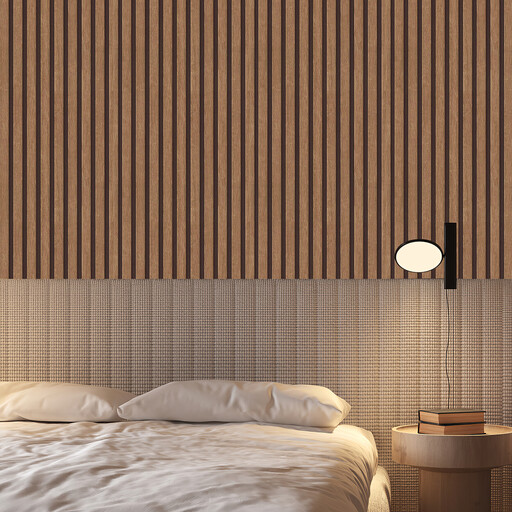
Why we love it: Ideal for creating an accent wall with the trendy "wood slat" effect. It brings warmth and structure to a room without the hassle of carpentry. Perfect for a living room wall, a headboard, or an office backdrop.
The vertical slat design is made for precise edge-to-edge alignment, which simplifies application and prevents unsightly seams. Its quality PVC vinyl construction ensures good durability and a textured finish that bypasses the cheap "plastic" look.
It achieves a strong architectural look (wood-effect wallpaper with a slat panel style) at a minimal cost and effort. Its surface is easy to clean, a plus for everyday use.
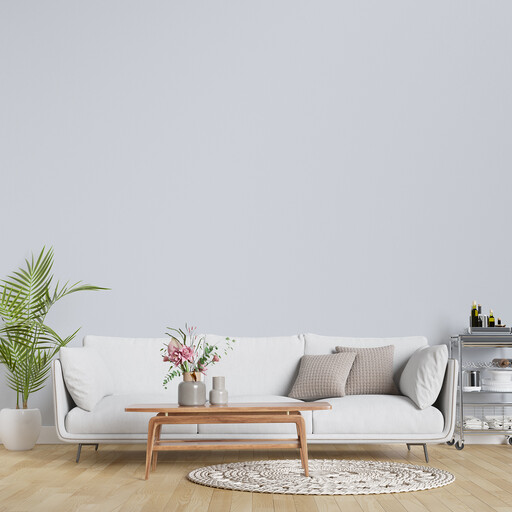
Why we love it: For those looking to refresh a space with a subtle, modern touch. Its neutral light gray color and discreet texture are perfect for an easy furniture makeover (closet doors, dressers) or for a full wall without overwhelming the room.
Its subtle texture gives it more character than plain paint and avoids a flat, low-end look. The fact that it hides small marks well is a real plus, ensuring better longevity and protecting you from premature wear and tear.
A versatile and elegant solution. The PVC vinyl material is washable and durable, making it suitable for multiple uses, from walls to furniture surfaces.
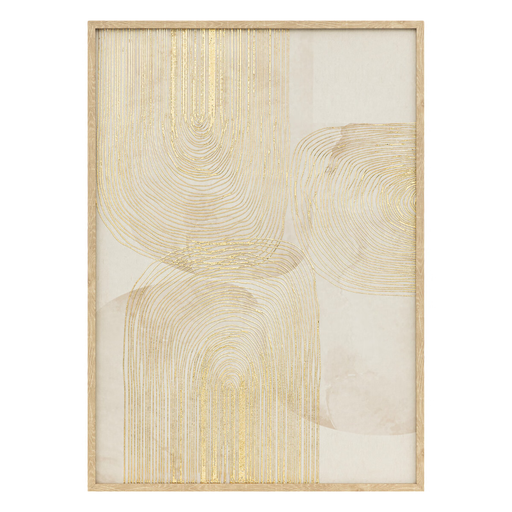
Why we love it: After applying the wallpaper, the finishing touch is essential. This frame is the perfect accessory to dress up a freshly decorated wall and complete the project. It's not about covering the wall, but enhancing it.
It avoids the trap of an accent wall that looks "unfinished." By adding a quality decorative element, you create a cohesive and intentional focal point, rather than just a paper-covered wall.
Its gold foil finish adds a touch of modern sophistication that elevates the entire decor. It's a modest investment for maximum visual impact.
We've curated a complete selection of products that meet our quality criteria and current standards.
1. Does peel-and-stick wallpaper damage walls? Generally, no, provided the wall is in good condition (no flaking paint) and it's removed properly. To remove it, pull gently and slowly on the paper at a 45-degree angle to the wall. Applying moderate heat with a hairdryer can help soften the adhesive and ease the process. It's a particularly suitable solution for renters.
2. Can you put self-adhesive wallpaper in a bathroom or kitchen? Yes, as long as you choose a suitable model. Opt for a washable wallpaper made of PVC or vinyl, listed as moisture-resistant. Avoid applying it in direct water spray zones (like inside a shower or right behind a sink without a backsplash). Good room ventilation is also essential for its longevity.
3. What is the lifespan of peel-and-stick wallpaper? Its longevity depends on several factors: the quality of the product, the surface preparation, and the environment. A high-quality paper, applied to a well-prepared surface in a dry room, can last for several years without any issues. Budget-friendly models, on the other hand, may show signs of wear or start to peel after a year or two.