
Livraison le jour même ou le lendemain

Qualité garantie

Débloquez vos offres de bienvenue: Livraison GRATUITE | Jusqu'à -80 % | 30 jours d'essai gratuits à JoyPlus
Téléchargez l'application
Peel-and-stick wallpaper is the perfect solution for transforming your interior quickly and cost-effectively. Whether you want to modernise a living room, give a kitchen a fresh look, or customise a piece of furniture, its incredibly simple self-adhesive application is winning over more and more fans of DIY wall decor. But be warned: behind this apparent ease lie a few pitfalls that can quickly turn your dream project into a real headache.
To avoid any unpleasant surprises, let's review the most common mistakes so you can make the right choice.
To avoid these setbacks, you just need to check a few key points before you buy. By focusing on these technical specifications, you'll choose a peel-and-stick wallpaper that will deliver on all its promises.
The material of your adhesive wallpaper determines its durability, finish, and ease of maintenance.
The term "adhesive" doesn't mean it will stick to anything—far from it. For perfect adhesion, the surface must be smooth, clean, dry, and non-porous. Textured, grainy, or freshly painted walls (wait at least 3 weeks) should be avoided. Proper wall preparation is the secret to a lasting and easy renovation.
The design affects not only the aesthetics but also the ease of installation.
To put theory into practice, here is our selection of products that tick all the boxes, each designed for a specific project.
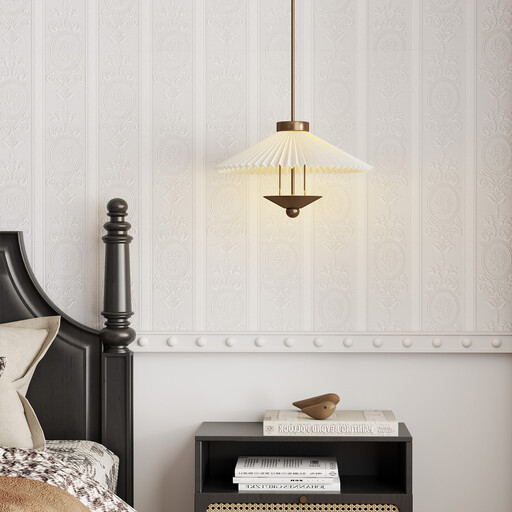
Why we chose it: Perfect for renters or for upcycling furniture, this wallpaper features a discreet and elegant rococo pattern. Its roll size is designed for small projects (headboards, shelf backing, cabinet interiors), which helps minimize waste and stick to a budget.
Its vinyl PVC composition makes it more tear-resistant than standard paper. The textured yet subtle pattern is forgiving of minor installation imperfections, unlike strict geometric designs.
Its neutral design and soft texture add a finishing touch without overwhelming the space. The surface is easy to clean.
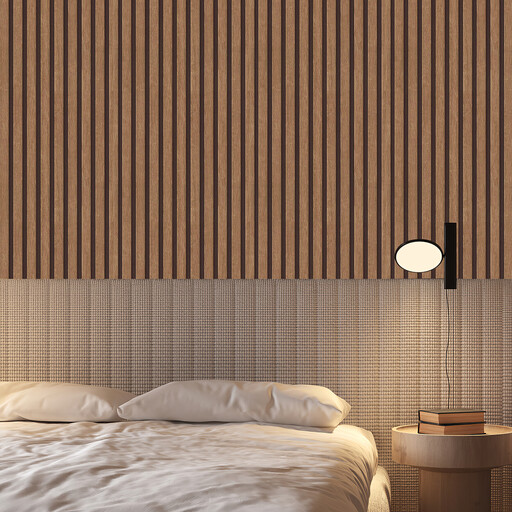
Why we chose it: For those who love the trendy slatted wood wall effect but want to avoid carpentry work. This model replicates the look of wood slats, bringing warmth and texture to a living room wall, entryway, or headboard. A high-impact **DIY wall decor** project.
The vertical pattern is easier to align than a complex design. Its high-quality PVC composition ensures excellent opacity and better durability, preventing any risk of transparency or tearing.
It instantly creates a modern yet warm wall panel effect. The surface is washable, making it practical for everyday life.
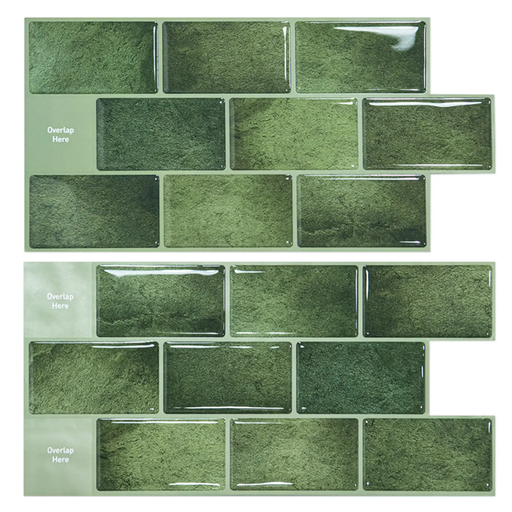
Why we chose it: Specifically designed as a peel-and-stick kitchen backsplash, this product is a turnkey solution for modernising the space between your countertop and cabinets. It mimics the look of subway tile with a textured 3D epoxy gel finish.
Its vinyl and epoxy gel composition is specifically water-resistant and easy to clean, sidestepping the trap of low durability in a damp environment. It is designed to resist splashes and the moderate heat from a stovetop.
Easy installation with no grout or special tools required. The large 30x30 cm tile format allows you to cover the surface quickly for a perfectly uniform finish.
We have curated a complete range of products that meet our quality criteria and current safety standards.
No, this is strongly discouraged. For durable adhesion and a smooth finish, the surface must be perfectly flat. Textures, even slight ones, create micro-pockets of air that will prevent the adhesive from sticking properly and will inevitably cause peeling. A light sanding or applying a skim coat may be necessary beforehand.
Most quality peel-and-stick wallpapers are designed to be removed without leaving residue, especially on a well-prepared surface. To make removal easier, gently heat the surface with a hairdryer to soften the adhesive. Then, pull slowly from a corner, keeping it at a very sharp angle (almost parallel to the wall).
The fundamental difference lies in the materials and their resistance. A peel-and-stick kitchen backsplash is specifically treated to withstand moisture, grease splatters, and higher heat than a typical living area. A standard washable vinyl wallpaper might be suitable for a kitchen wall far from cooking and water zones, but only a backsplash specifically designed for this purpose will offer foolproof durability behind a sink or stovetop.