
Livraison le jour même ou le lendemain

Qualité garantie

Débloquez vos offres de bienvenue: Livraison GRATUITE | Jusqu'à -80 % | 30 jours d'essai gratuits à JoyPlus
Téléchargez l'application
Want to give your kitchen a makeover without breaking the bank or even opening a toolbox? That's the promise of a peel-and-stick backsplash. Quick to install, budget-friendly, and with a sometimes stunning finish, it has become the go-to solution for an easy kitchen renovation. But beware of disappointment! The market is flooded with products of wildly varying quality, and a great deal can quickly turn into a disaster.
Our mission? To help you avoid the common pitfalls. Let's break down the mistakes to steer clear of and the criteria that truly matter, ensuring your new backsplash combines both style and durability.
The desire for instant results can sometimes make you overlook the essentials. Here are the three most common disappointments with a self-adhesive backsplash.
To make the right choice, there's no secret: you need to look closely at a few technical details that make all the difference.
The type of material directly impacts the appearance and durability of your backsplash.
Always check the manufacturer's recommendations regarding heat and water exposure.
The size of the adhesive panels or tiles is also important.
To put theory into practice, here are a few products that tick all the right boxes, suitable for different projects.
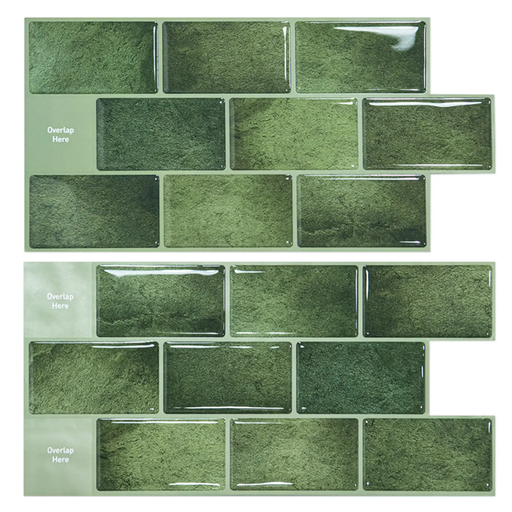
Why we chose it: Perfect for renters or DIY beginners. The subway tile style is a timeless classic, and the multi-pack format makes it a budget-friendly and highly effective solution for refreshing a kitchen or bathroom.
Its 3D epoxy gel layer creates genuine texture and a beautiful shine, far from the "plasticky" effect of low-end stickers. The 30x30 cm panels simplify installation and minimise grout lines.
Realistic 3D texture and a vinyl surface that cleans with a simple wipe.
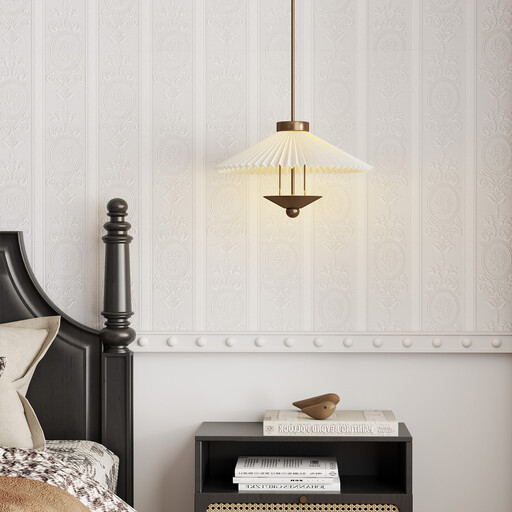
Why we chose it: For those who prefer a subtle decorative pattern over a tile imitation. The rococo style adds a delicate texture and a touch of elegance, perfect for creating an accent wall or decorating a low-exposure area in the kitchen.
Its quality PVC vinyl ensures much better longevity than simple paper stickers. By using it for decorative purposes, you avoid the pitfall of placing it in an area where it wouldn't hold up (against heat or humidity).
Textured rococo pattern for a chic and understated look. Washable and easy-to-maintain surface.
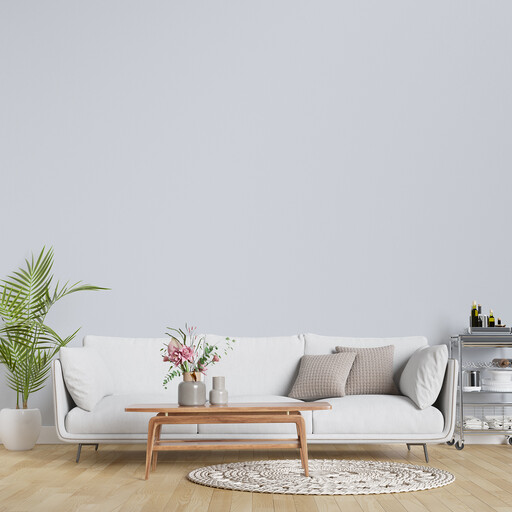
Why we chose it: Its textured light grey finish is a flawless choice for a contemporary kitchen. It's also an excellent alternative to paint for creating an accent wall or even for updating cabinet fronts.
The thick PVC vinyl is designed to last and withstand cleaning. Its subtle texture gives it depth and clearly distinguishes it from flat, low-quality coverings.
A modern and versatile look. The 60 cm wide roll is a real bonus for covering large areas with minimal seams.
Discover our full selection of wall coverings that meet our quality criteria and current standards.
1. Can you install a peel-and-stick backsplash behind a hob? Yes, but with precautions. Behind a gas hob, the answer is no: the open flame is a risk. Behind an induction or ceramic hob, it is possible, provided you choose a model certified as heat-resistant and respect a safety distance of at least 15-20 cm. Models with an epoxy gel layer are generally the best performers for this purpose.
2. What is the lifespan of a self-adhesive backsplash? It all depends on the quality of the product and the installation. A well-made adhesive wall covering for kitchens, applied to a clean, dry, and smooth wall, can easily last for several years. Direct exposure to water and heat remains its main enemy.
3. Is it easy to remove without damaging the wall? Yes, quality products are designed to be removed cleanly. The trick is to gently heat the surface with a hairdryer to soften the adhesive, then pull slowly, starting from a corner. If any glue residue remains, a bit of rubbing alcohol or an adhesive remover is usually sufficient. Always remember to test on an inconspicuous area first.