
Livraison le jour même ou le lendemain

Qualité garantie

Débloquez vos offres de bienvenue: Livraison GRATUITE | Jusqu'à -80 % | 30 jours d'essai gratuits à JoyPlus
Téléchargez l'application
On the shelf, peanuts can look interchangeable. Yet their composition, texture and use can vary enormously. Roasted, salted, raw, in-shell or coated: a catchy label isn’t always enough to make the right choice.
Three common pitfalls French shoppers often encounter:
For immediate snacking, roasted peanuts that are ready to eat are the most convenient. Shelled versions are also great for cooking: they’re easy to add to a stir-fry, salad, satay sauce or baking.
Raw peanuts need a bit more attention. They can be roasted, boiled or used in a recipe, but you must follow the instructions on the packaging. Peanuts sold with their skin or shell also require more sorting and preparation.
For a sociable aperitif, in-shell peanuts bring a more traditional touch. However, their net weight doesn’t fully correspond to the amount of edible kernels.
Compare the ingredient list and the nutritional table per 100 g, rather than relying solely on the product name. A simple recipe may be limited to peanuts, vegetable oil and salt. A coated peanut typically contains a layer of flour or starch, sugar, spices and sometimes flavourings.
The salt level allows you to compare salted peanuts more objectively. As a guide, BENENUTS Salted Dry Roasted Peanuts have 1 g of salt per 100 g, while Koh-Kae Korean Spicy Chicken peanuts contain 2.3 g per 100 g. These values don’t predict the intensity of the flavour, but they make it easier to compare products.
A small 36 g or 70 g packet is easy to carry and reduces the risk of leaving the product open for too long. Formats from 180 g to 300 g are better for sharing. An 800 g or 1 kg bag can be good value for cooking, families or regular consumption, provided you can reseal it properly.
After opening, store peanuts in a cool, dry place away from light. An airtight seal helps keep them crunchy and limits rancidity. Also check the date on the packaging, especially for raw peanuts and products containing oil.
The profiles below are based on the sizes, ingredients, nutritional values and usage instructions provided for each product.
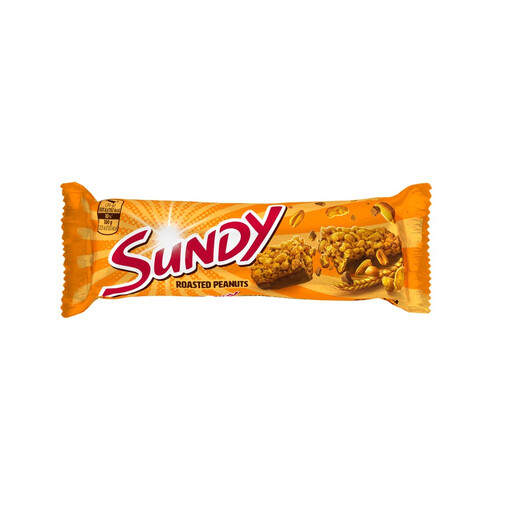
Why this choice suits this profile: At 36 g, this packet slips easily into a bag or desk drawer for a ready-to-eat individual portion.
The small pack size stops you buying a large volume before you know your preferences, and reduces the storage time once opened.
Roasted peanuts, made from 98% peanut kernels, with sunflower oil and salt. The product provides 26 g of protein per 100 g.
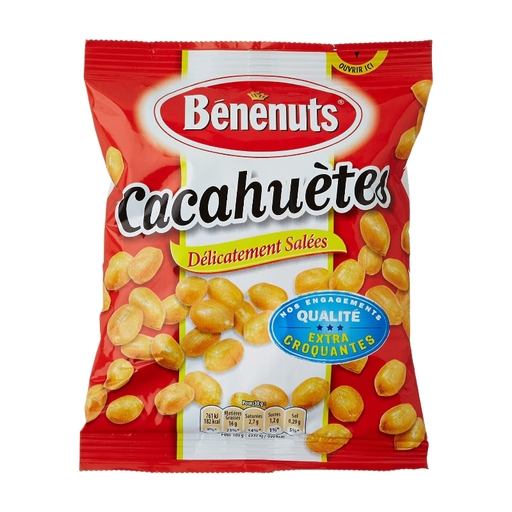
Why this choice suits this profile: Its short recipe will appeal to those looking for a classic aperitif, without any flavoured coating.
The stated ingredients are limited to peanuts, sunflower oil and salt, making the label particularly easy to read.
220 g bag, dry roasted peanuts, with no artificial preservatives or colourings according to the product sheet. Made in France.
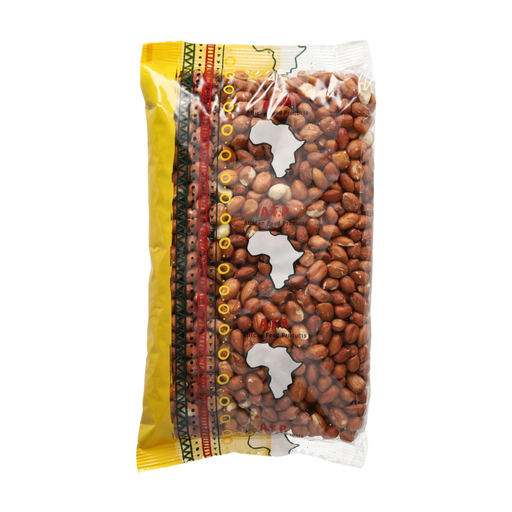
Why this choice suits this profile: Its large size and lack of seasoning let you control the cooking and use it however you like in the kitchen.
This isn’t a ready-to-eat snack: the “unroasted” label stops you mistaking it for pre-prepared peanuts.
100% peanuts with skin, no salt listed, suitable for roasting, cooking, baking or making peanut butter.
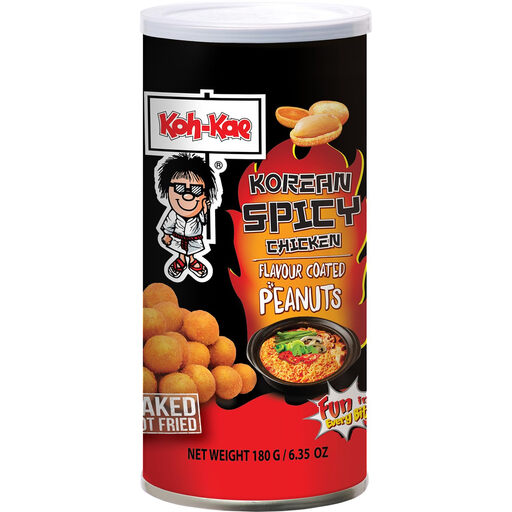
Why this choice suits this profile: With its Korean spicy chicken-inspired seasoning, this product targets fans of crunchy, bold Asian snacks.
The product sheet mentions the presence of wheat, soya and sesame, as well as 2.3 g of salt per 100 g. That way you can check it’s suitable for your needs before buying.
180 g bag, roasted and coated peanuts, ready to eat, with 21 g of protein per 100 g according to the information provided.
We’ve put together a complete, real-time updated selection of products that meet these strict selection criteria and European safety standards.
In everyday language, peanuts are often grouped with tree nuts. Botanically speaking, however, they are legumes, just like chickpeas or lentils. That said, they remain a major regulated allergen that must be declared on the label.
The shelf life depends on the product, its packaging and storage conditions. Seal the packet carefully or transfer the peanuts to an airtight container, then keep them in a cool, dry place. Smaller formats should be eaten quickly after opening to maintain their crunchy texture.
Some products are sold as unroasted ingredients and must be roasted, boiled or cooked before eating, as stated on the packaging. For a ready-to-eat snack, look for an explicit mention such as “ready to eat” or “roasted”.