
Livraison le jour même ou le lendemain

Qualité garantie

Débloquez vos offres de bienvenue: Livraison GRATUITE | Jusqu'à -80 % | 30 jours d'essai gratuits à JoyPlus
Téléchargez l'application
Peach products are no longer limited to sweets. You can now find Korean drinks, tinned desserts, konjac jellies, mochi and even cocktail mixers. This gives you plenty of variety, but it can also make it harder to choose between products that are sometimes very different.
Three mistakes are particularly common when shopping:
If you are looking for a more authentic fruit flavour, start by checking how prominently peach appears in the ingredients list. A product containing peach juice, pulp or a concentrate will offer a different experience from a confectionery product that is simply peach-flavoured.
For example, the COOLbestore dessert states that it contains at least 55 % peaches, with visible pieces in a light syrup. Jardin Cafe Real peach iced tea, meanwhile, contains 0.4 % peach concentrate and 0.4 % peach juice, combined with black tea and peach flavouring. These two products are therefore in completely different categories: one is eaten with a spoon, while the other is ready to drink.
Always compare nutritional values per 100 g or 100 ml, then relate them to the amount you are actually going to consume. A portion of gummies may seem small, whereas a bottle of syrup or a jar of jam is often used over several days.
JENI peach syrup contains 62 g of sugars per 100 ml and is generally diluted with still or sparkling water. According to the information available, the Teisseire syrup in the reference shown contains 6 g of sugars per 100 ml. These figures should nevertheless be compared carefully, as the recipes, concentrations and pack sizes may not be identical.
Peach konjac jellies often contain polyols or sweeteners. The Jelly.B product includes erythritol, aspartame, acesulfame K and sucralose. The statement source of phenylalanine also appears when a product contains aspartame, so anyone affected should take this into account.
A 40 to 70 g bag is ideal for a break or can easily be slipped into a bag. A 600 g bottle of syrup is more suitable for a household that regularly prepares drinks or desserts. Tinned products, such as peach fruit products, are convenient, but they generally need to be refrigerated after opening and consumed quickly, in accordance with the instructions on the packaging.
Also remember to check highlighted allergens. Seoju Peach Yogurt Gummy contains milk, peach and pork gelatine. Kororo Amaou Peach Gummy Candy, meanwhile, lists beef, gelatine and apple. Depending on the recipe, mochi may also contain glutinous rice, soya or other ingredients. Before ordering, a French-language label and the information provided by the seller remain essential.
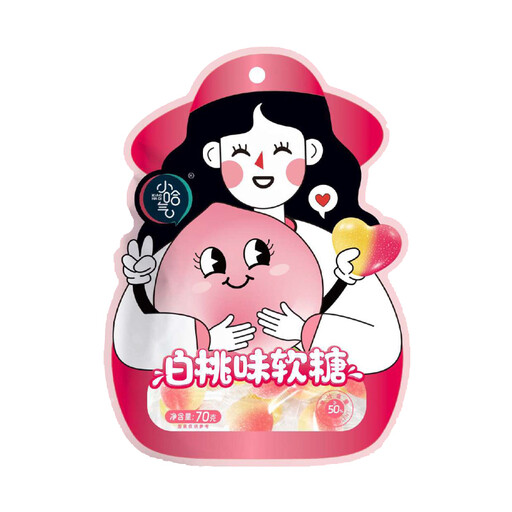
Why this choice suits this profile : At 70 g, the bag is easy to carry and lets you discover peach sweets without investing in a large pack.
The smaller pack reduces the risk of a large opened bag losing its texture. The description states that it has a soft, tender consistency.
A white peach flavour, a 70 g bag and a practical size for the office or when travelling.
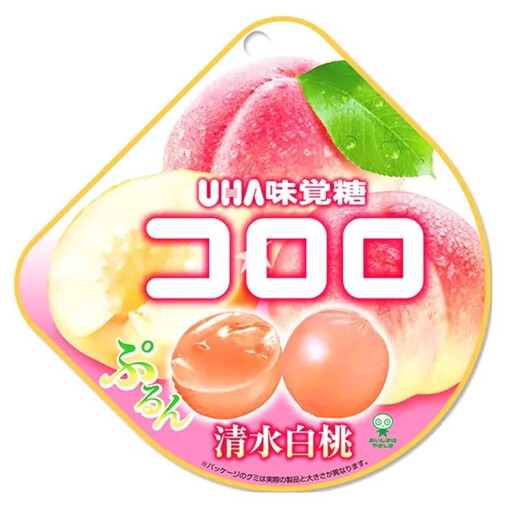
Why this choice suits this profile : This Japanese confectionery offers a soft, juicy texture in a 40 g bag that is perfect for occasional enjoyment.
The portion is clearly defined and the texture is a tangible criterion, rather than just a promise of fruity flavour.
Approximately 107 kcal per bag according to the product information, 0 g of fat, with concentrated apple juice and peach.
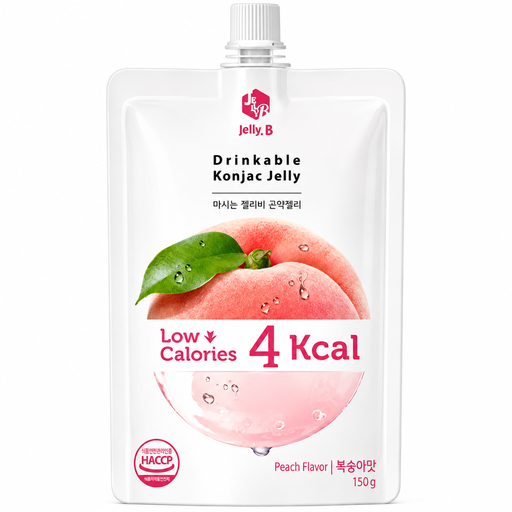
Why this choice suits this profile : Its individual 150 g pouch is easy to take with you and simple to enjoy, making it suitable for anyone who likes peach konjac jellies.
The product information details the sweeteners and gelling agents. This lets you check the ingredients instead of relying solely on the word “peach”.
A portable format, a drinkable jelly texture and just 7 kcal per 150 g pouch according to the product information. The product contains aspartame, meaning it is a source of phenylalanine that should be taken into account.
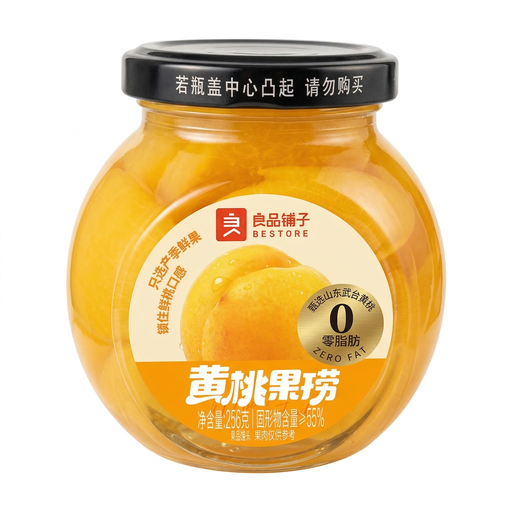
Why this choice suits this profile : The 256 g jar can be served straight away, enjoyed chilled and paired with yoghurt, ice cream or a tart.
The minimum fruit content and the presence of pieces are clearly stated, allowing you to compare the product using concrete criteria.
We have brought together a complete, real-time selection of products that meet these demanding criteria, in accordance with European safety regulations.
Konjac jelly is generally moister and softer, and often comes in an individual pouch. A sweet or gummy has a denser texture and can be stored like a dry confectionery product. In both cases, follow the serving instructions and supervise young children, as some textures may present a choking risk.
It depends entirely on the product. A dessert in a jar or a tin will often need to be refrigerated after opening and consumed quickly. Follow the shelf life stated on the packaging: appearance and smell alone are not enough to assess whether the product is safe.
Start by following the ratio recommended by the manufacturer. JENI syrup recommends approximately one measure of syrup to five to seven measures of water, adjusted to suit your preferences. You can also add a little to sparkling water, a dessert or a baking mixture, while bearing in mind its sugar content.