
Livraison le jour même ou le lendemain

Qualité garantie

Débloquez vos offres de bienvenue: Livraison GRATUITE | Jusqu'à -80 % | 30 jours d'essai gratuits à JoyPlus
Téléchargez l'application
PDRN facial skincare has become a staple of Korean skincare routines. PDRN serums, PDRN creams, hydrogel masks and concentrated essences: the range has expanded considerably, with claims of intense hydration, firmer-looking skin and a glass-skin effect.
However, the mere mention of “PDRN” is not enough to distinguish between products. The stated concentration, texture, supporting ingredients and usage precautions often have a greater impact on the everyday experience. Here is what to check before buying in France, along with a selection of products to consider in 2026.
In cosmetics, PDRN generally appears under the name Sodium DNA, or polydeoxyribonucleotide. It is an ingredient intended for external application. The claims associated with injections or professional procedures should therefore not automatically be applied to a serum or cream.
Visible results can also vary depending on the condition of the skin, application consistency and the other products used. A PDRN product may help the skin feel softer and better hydrated, but it does not constitute a medical guarantee or promise a lasting transformation.
Claims such as “PDRN 100”, “100 ppm” or “100,000 ppm” do not necessarily refer to the same thing. They may correspond to different concentrations, a plant-based or animal-derived raw material, or a complex combining several components.
Before comparing two products, check:
A rich formula may feel comforting on dry winter skin, yet seem too occlusive beneath sunscreen or on combination skin. Conversely, a lightweight gel may not provide enough comfort when the skin barrier is compromised.
Fragrance, essential oils, retinol and certain botanical extracts also deserve careful consideration when looking for skincare for sensitive skin. Patch-testing on a small area is recommended before applying the product across the entire face.
PDRN is often combined with humectants and emollients. Glycerin, hyaluronic acid and hydrolyzed collagen help create a comfortable, plump-feeling complexion. Peptides are frequently included in products targeting firmness and skin elasticity.
For a more even-looking complexion, niacinamide may be a useful addition. It does not replace sunscreen, and its tolerability depends on the formula as a whole.
Check the INCI list printed on the packaging, the volume, the period after opening and the contact details of the responsible person in the European Union, where available. The instructions should specify external use, precautions around the eyes and storage conditions.
A product described as “vegan”, “hypoallergenic” or dermatologically tested should be assessed in light of the information supplied by the brand. These claims do not guarantee that no individual reaction will occur.
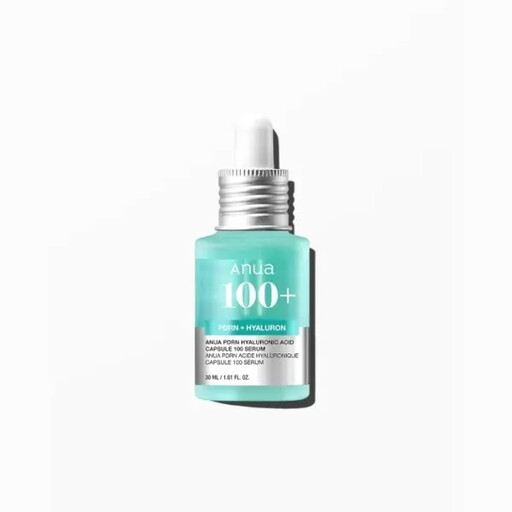
Why it may suit you: Its lightweight texture is well suited to a first PDRN routine, morning and evening, without adding unnecessary steps.
The formula specifies 100 ppm of PDRN and combines Sodium DNA with several forms of hyaluronic acid, hydrolyzed collagen and niacinamide.
30 ml bottle, fast absorption and flexible use depending on your preferred level of hydration.
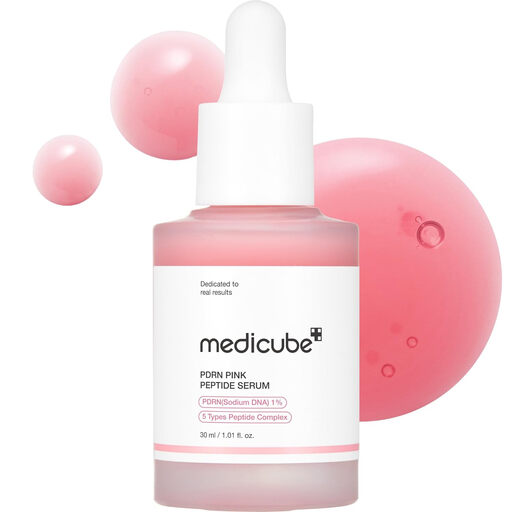
Why it may suit you: This serum is designed for adults looking to combine peptides, niacinamide and PDRN in a routine focused on radiance and a more toned-looking complexion.
The formula details a five-peptide complex, Sodium DNA, niacinamide, adenosine and sodium hyaluronate.
Lightweight hydrating texture, vegan formula stated by the manufacturer, and morning-and-evening use before moisturiser.
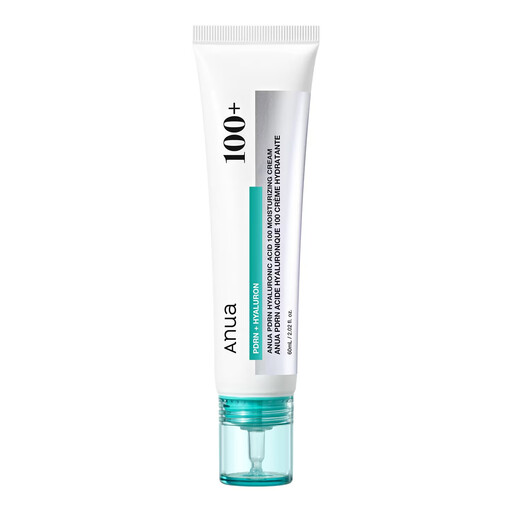
Why it may suit you: An everyday cream for dehydrated skin seeking a supple texture without a greasy finish.
The formula includes Sodium DNA, hydrolyzed collagen, squalane and various forms of hyaluronic acid.
60 ml size, fast-absorbing texture and centella asiatica included in the formula.
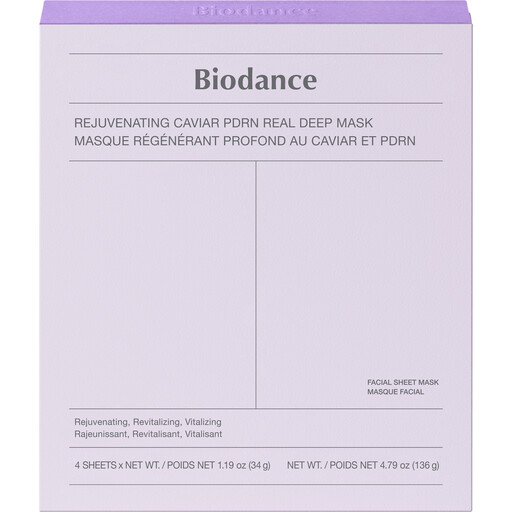
Why it may suit you: A hydrogel format sold in a box of four sheets, best reserved for periods when the skin looks dull, feels uncomfortable or is particularly dry.
The mask is designed to be worn for three to four hours or overnight, with precise instructions to avoid the eye area and irritated skin.
Contains glycerin, shea butter, niacinamide and Sodium DNA; the brand describes the formula as hypoallergenic.
We have put together an up-to-date selection of PDRN products to help you compare formats, formulas and uses.
Start with a gentle cleanser, then apply a toner or essence if you use one. The PDRN serum comes next, before moisturiser. In the morning, finish with suitable sun protection. The mask can be used occasionally after cleansing and toner, following the duration indicated on the packaging.
Avoid introducing several new actives at the same time. If you use retinol, particularly in certain eye-care products, introduce it gradually and monitor how well your skin tolerates it. If persistent redness, itching or swelling occurs, discontinue use and seek advice from a healthcare professional.
It depends entirely on the complete formula. A fragrance-free product may be easier to incorporate, but no product is automatically suitable for every sensitive skin type. Read the INCI list, perform a patch test and avoid applying the product to damaged or irritated skin.
Many PDRN serums are designed for morning and evening use, in accordance with the manufacturer’s instructions. Apply a small amount to clean skin and monitor your skin’s comfort during the first few days. Consistency matters more than layering multiple products.
Refer to the expiry date and the open-jar symbol shown on the packaging. Close the bottle or jar securely, store it away from heat and direct sunlight, and do not share your skincare products.