Students cooking for one who want to avoid leftovers
If you make one or two portions at a time, choose a jar you can finish within the stated storage period after opening.


When stocking your first student cupboard, start by choosing a sauce you can finish within the time stated after opening. A small jar is easier to manage if you cook for yourself and don’t do so often, while a large jar means planning several meals close together. Tomato or basil sauce and Bolognese won’t suit everyone’s dietary preferences, so always check the ingredients, allergens and storage instructions for the product you choose.
If you make one or two portions at a time, choose a jar you can finish within the stated storage period after opening.
A large jar is only practical if you’re planning to use it for several meals soon. The net weight and the number of portions you expect to make can help you avoid throwing some away.
If you have a dietary preference or an allergy, check the ingredients list, highlighted allergens and any ‘may contain’ warnings for each product.
When stocking your first cupboard, start with your mealtime routine, then choose a recipe and jar size you can use up once opened.
| What to consider | What to check | Who it matters to |
|---|---|---|
| Leftovers after opening | Net weight, meals planned and the stated storage period for the opened jar. | If I rarely cook pasta just for myself, I want to finish the jar without throwing sauce away. Around 40% of consumers would put managing leftovers first. |
| Planning your food shop | Jar size and the portions you realistically expect to make. | To stock my cupboard without ending up with several half-used jars, I need a size that suits my meals. This would be a priority for around 30% of consumers. |
| Ingredients and dietary needs | Ingredients list, whether it contains meat, highlighted allergens and any ‘may contain’ warnings. | If I need to avoid an ingredient or meat, the recipe name alone isn’t enough to help me choose. Around 20% of consumers would check this first. |
| Easy meals | Type of recipe and the product’s instructions for use. | When I move in, I’d rather start with a sauce I’ll want to use regularly than buy several different recipes. Simplicity would come first for around 10% of consumers. |
Once-opened storage times vary between sauces. The Auchan Bio product page states 48 hours for its 200 g jar, the Panzani sauce page gives 3 days for its 650 g jar, and the Barilla tomato and basil sauce page states 5 days for its 400 g jar. Each time, this depends on the refrigeration instructions for that specific product.
Before choosing a size, count how many meals you can prepare within the time stated on that particular jar.
Two tomato sauces can have different ingredients. The product page for the 200 g Auchan Bio tomato and basil sauce, for example, warns that it may contain traces of milk, celery and mustard.
Read the ingredients list and any ‘may contain’ warnings for the product you choose. The DGCCRF reminds consumers that allergens must be highlighted in the ingredients list of prepacked foods.
An opened jar may need to be refrigerated and used within a specific time, depending on the recipe. You can’t work out how long it will keep from the instructions on another jar.
Note the date you opened it and follow the temperature and time stated on the packaging, as advised by the Ministry of the Economy.
Panzani offers a range of sauces, including tomato, Bolognese, pesto and cream-based recipes.
The range includes a variety of tomato sauces, including a 400 g tomato and basil option listed by Auchan.
This brand offers a range of tomato sauces, including cooked tomato and basil recipes.
E.Leclerc offers sauces for pasta and rice in this range, including a 420 g Turini tomato and basil sauce.
Auchan lists an organic tomato and basil sauce in a 200 g jar.
Lidl lists a Baresa tomato sauce.
These tomato sauces, pestos and Bolognese sauces give you a choice of pasta recipes, depending on the size you’re looking for and the ingredients you need to check. For every jar, read the storage instructions before and after opening.
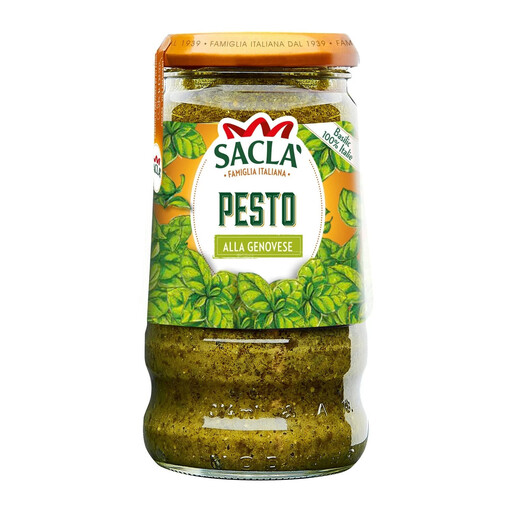 Image unavailable
For a change from the usual pasta sauces, this pesto comes in a 190 g jar. Check the ingredients and storage instructions for after opening.
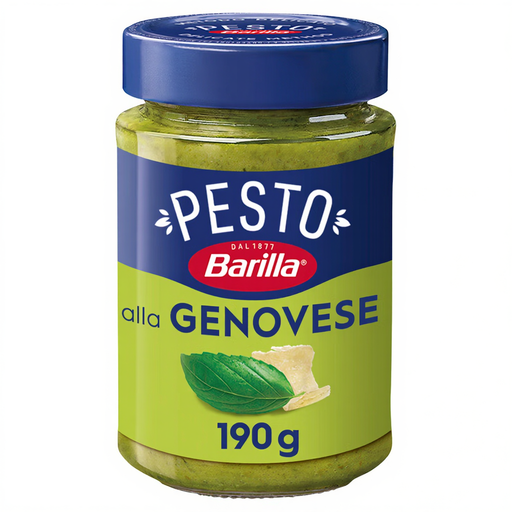 Image unavailable
If you’d prefer pesto in a small jar rather than tomato sauce, this option comes in a 190 g size. Check the label for ingredients and how long it will keep once opened.
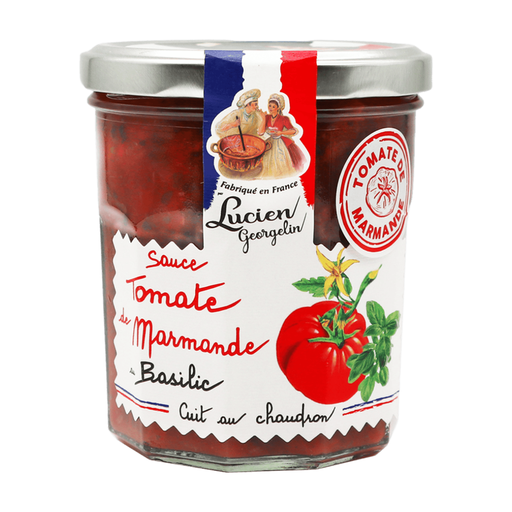 Image unavailable
If you’d like to start with a 300 g tomato and basil sauce, compare the jar size with the number of meals you’re planning. Check the label for ingredients and how long it will keep after opening.
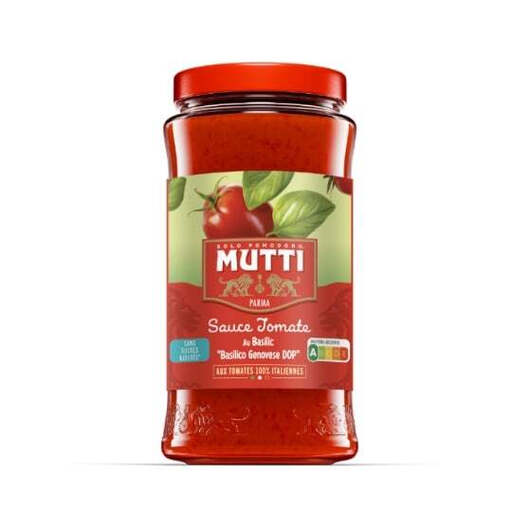 Image unavailable
This tomato and basil recipe is one option when choosing a pasta sauce. Before adding it to your cupboard, check its net weight, ingredients and storage instructions on the label.
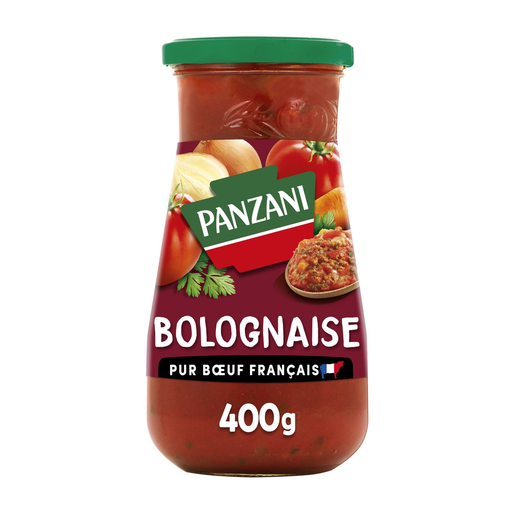 Image unavailable
If you’re looking for a beef Bolognese sauce to serve with pasta, this option comes in a 400 g jar. It isn’t suitable for a vegetarian diet. Check the packaging for other ingredients and how long it will keep after opening.
Yes, if the storage instructions for that jar say you can. Check the label before putting it away, as the instructions may change once it’s opened.
Follow the time and temperature stated on the jar you’ve chosen, as these vary between products. For example, Auchan’s product pages say to keep the 200 g Auchan Bio tomato and basil sauce between 0 and 4 °C for 48 hours, and the 650 g Panzani fresh tomato and basil sauce in the fridge for 3 days. The 400 g Barilla tomato and basil sauce is listed as keeping for 5 days in the fridge.
Check the ingredients list on each jar rather than relying on the recipe name alone. A beef Bolognese isn’t suitable for a vegetarian diet, and a tomato sauce may carry a ‘may contain’ warning. The DGCCRF reminds consumers that allergens must be highlighted in the ingredients list of prepacked foods.