Pasta salads prepared in advance
If you’re serving cold pasta with tomatoes and vegetables, basil pesto is one option. Lidl Recipes uses this combination in a pasta salad with mozzarella; adapt the other ingredients to suit your guests.


For a cold pasta salad, basil pesto is a practical starting point: Lidl Recipes pairs it with cooled pasta and tomatoes. Lemon pesto or tomato and basil sauce might suit a different taste; then choose a jar based on what your guests can eat, how much you need and the storage instructions. The words “fresh basil” don’t, by themselves, mean that an unopened jar needs to be kept in the fridge.
If you’re serving cold pasta with tomatoes and vegetables, basil pesto is one option. Lidl Recipes uses this combination in a pasta salad with mozzarella; adapt the other ingredients to suit your guests.
If a guest avoids certain ingredients, check the label on the jar you’ve chosen rather than relying on the sauce name alone. The DGCCRF advises that allergenic ingredients must be highlighted in the ingredients list on prepacked foods.
The number of guests can help you choose how much to buy and plan for any leftovers after opening. If the salad contains chilled ingredients, plan to keep it cool while travelling, too: Anses recommends using a cool bag and limiting the time these foods are in transit.
First, choose a recipe you’ll enjoy served cold, then check its ingredients and how much you’ll need. The jar’s instructions and the ingredients you add to the salad will determine what precautions to take before you set off.
| Criteria | What to check | Who is it for? |
|---|---|---|
| Flavour and serving cold | Choose between basil pesto, a lemon-flavoured version and tomato and basil sauce; adjust the amount to suit the cooled pasta. | I want a sauce I’ll enjoy with cold pasta, without relying on reheating it at mealtime. Around 27% of consumers would put this combination first. |
| Ingredients and allergens | Read the ingredients list and check the allergens highlighted on the specific jar; a vegan label doesn’t mean you can skip this check. | If a guest avoids an ingredient, I need to be able to choose a recipe that meets their dietary requirements. Around 27% of consumers would prioritise this check. |
| Quantity and pack size | Compare the net weight of the jars with the number of portions you’re planning, and think about what will be left after opening. | When serving several people, I want enough sauce without opening more jars than necessary. Around 20% of consumers would choose based on quantity first. |
| Storage and transport | Follow the storage instructions after opening, and use a cool bag for the salad or any ingredients that need to stay chilled. | If I prepare the dish before setting off, I need to be able to transport it and handle any leftovers in line with the storage instructions. Around 26% of consumers would put this planning first. |
This phrase may describe the basil used, without telling you how to store an unopened jar. The instructions may also change once the jar has been opened.
Read the storage instructions on the jar, and keep any chilled ingredients you add to the salad cold.
Depending on the recipe, pesto may contain cheese, egg or nuts. A vegan recipe isn’t necessarily free from allergens.
Check the ingredients list, highlighted allergens and any “may contain” warnings on each jar you buy.
A pack size that suits your group may leave you with sauce after the meal, and storage instructions apply as soon as the jar is opened.
Work out how much you need before you buy, and check how to store any leftover sauce.
Adding ingredients such as mozzarella changes how you need to handle the prepared dish. Anses recommends limiting the time that perishable foods are left at room temperature.
Keep the salad in the fridge before you set off, use a cool bag while travelling and put any leftovers back in the fridge promptly.
Panzani offers basil pesto and tomato sauces for pasta.
The range includes basil pestos, including a recipe that Barilla describes as vegan.
Carrefour lists basil pestos in its Classic’ and Bio ranges.
The range includes a green pesto made with fresh basil, as featured by E.Leclerc.
Auchan features pestos from its own ranges alongside other pasta sauces.
These five pestos offer basil, tomato and basil, or basil and lemon flavour profiles to consider for a cold pasta salad. Choose a pack size and recipe to suit your guests, then follow the instructions on each jar.
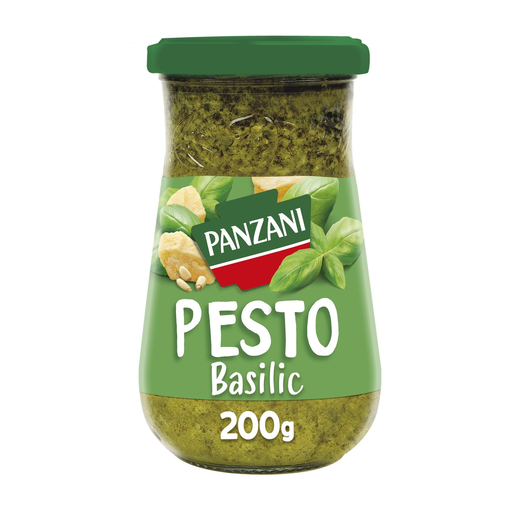 Image unavailable
A basil pesto to try with cold pasta. Panzani says the basil in this recipe is prepared less than 48 hours after harvest. For this 200 g jar, the instructions are to refrigerate after opening and use within 3 days. Check the allergens on the label.
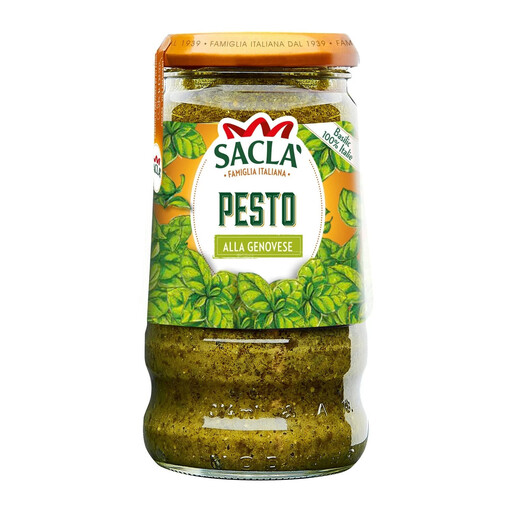 Image unavailable
Another basil recipe to consider with cooled pasta, in a 190 g jar. Before serving it to guests with dietary requirements, check its ingredients, allergens and storage instructions after opening.
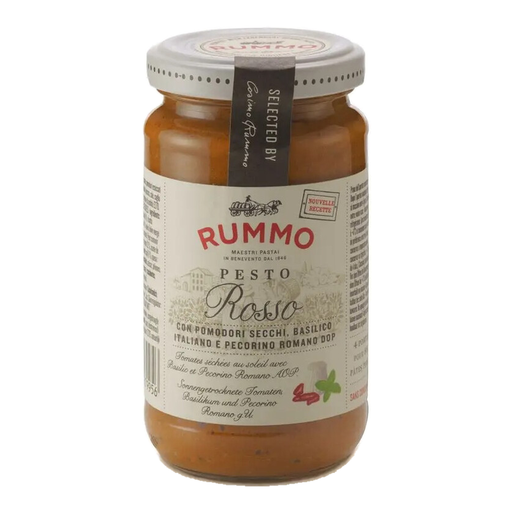 Image unavailable
Pesto rosso is an alternative to basil pesto for a pasta salad, in a 190 g jar. Check the ingredients if any guests avoid certain foods, and read the storage instructions for the opened jar.
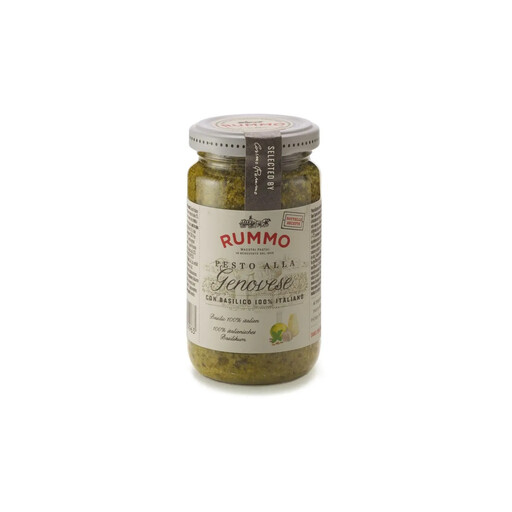 Image unavailable
A basil pesto to try with cold pasta, in the same 190 g size as Rummo pesto rosso. These are two different recipes, so check the ingredients and instructions after opening for each one separately.
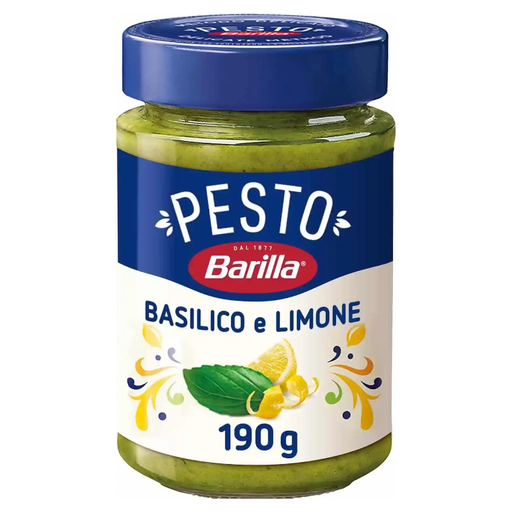 Image unavailable
A basil and lemon option to consider if you’d like these flavours in cold pasta, in a 190 g jar. Check the ingredients list, allergens and instructions after opening on the packaging you choose.
Not necessarily: “fresh basil” describes the ingredient or how it’s prepared, not how to store an unopened jar. Read the instructions on the jar you’ve bought. For Panzani Extra Fresh Basil Pesto 200 g, the instructions are to refrigerate after opening and use within 3 days.
Keep the salad chilled until you set off, and carry it in a cool bag. Anses recommends limiting the time perishable foods are in transit and exposed to room temperature; put any leftovers back in the fridge promptly.
No. A recipe without animal ingredients may still contain other allergens. Check those highlighted in the ingredients list on the jar, as well as any “may contain” warnings. The DGCCRF explains that this labelling rule applies to prepacked foods.
Compare the recipes, ingredients and allergens, then check the net weight against the number of guests. Also check the instructions after opening if you plan to save some of the jar for later.