Parents who prepare meals in advance
The pack size should suit the portions you plan to make. You’ll also need to arrange refrigeration and transport for the cooked dish until lunchtime, following ANSES guidance on prepared meals.


Choose the recipe and pack size based on how many meals you plan to make and the storage period after opening stated on the packaging. A sauce that can be stored in the cupboard before opening doesn’t mean prepared pasta can be kept without refrigeration when it needs to be chilled. Check the allergens in every part of the meal too, and find out what arrangements the school has in place for the pupil concerned.
The pack size should suit the portions you plan to make. You’ll also need to arrange refrigeration and transport for the cooked dish until lunchtime, following ANSES guidance on prepared meals.
The exact recipe, pasta and other ingredients in the meal all matter. The DGCCRF says allergens must be clearly highlighted in the ingredients list. The Ministry of National Education explains that an individualised support plan can include adjustments for a pupil with, for example, a food allergy.
You can compare the container size with how often you plan to cook. The recommended time after opening varies by product: Auchan’s guidance for two tomato and basil sauces is different.
For a secondary school pupil’s lunchbox, start with their dietary requirements, then choose an amount you can use within the time stated after opening. Plan how to store the prepared meal separately: you can’t assume it will keep for as long as the sealed sauce.
| Criteria | What to check | Who it matters to |
|---|---|---|
| Allergens and school arrangements | Read the ingredients and allergen information on every pack, including the pasta. If the pupil has a medical requirement, check with the school what arrangements apply. | If the meal needs to meet a dietary requirement, I need to check every component before putting the lunchbox together. Around 33% of consumers would make this compatibility their top priority. |
| Opened sauce | Compare the pack size with the number of meals you plan to make, then check the storage temperature and time after opening for that specific product. | When I’m only making a few portions, I want to be able to use up the container within the stated time. Managing leftovers would be the top priority for around 27% of consumers. |
| Cupboard storage and prepared meals | Check the storage instructions for the sealed container. Cooked pasta needs to be kept chilled and transported appropriately, following ANSES guidance on prepared meals. | I want to keep a sauce in the cupboard for later, but I also need to be able to transport the prepared lunch safely. Around 20% of consumers would prioritise this. |
| Recipe and nutrition | Compare the ingredients list and nutritional values per 100 g, particularly the sugars, fat and salt. | For a meal the pupil will be happy to eat, I look for a recipe that suits their tastes without losing sight of its nutritional content. Around 20% of consumers would put this first. |
Barilla describes its Sauce Basilico as “gluten-free”, but this applies to that recipe, not to the pasta or the whole meal. The DGCCRF says allergens must be clearly highlighted in the ingredients list on pre-packed products.
Check the packaging of the sauce you buy and the other components. If there’s a medical requirement, ask the school what arrangements are in place for the pupil.
For its 200 g Bio tomato and basil jar, Auchan says to consume within 48 hours of opening and to store between 0 and 4 °C. Its 300 g tomato and basil doypack comes with instructions to refrigerate and consume within eight days. These time limits don’t apply to other products.
Choose a quantity that suits the meals you actually plan to make, and note the date you open the container.
Any sauce left unused beyond the time stated on the packaging may need to be thrown away.
A sauce’s shelf stability before opening doesn’t apply to the assembled meal. ANSES recommends storing prepared meals in the coldest part of the fridge and limiting how long perishable foods are left at room temperature.
Refrigerate the prepared meal and use a suitable insulated bag for transport if it can’t stay chilled until lunchtime.
A Nutri-Score displayed on a product doesn’t tell you about its allergens or how long it keeps after opening. The nutritional information on pre-packed foods, as described by the DGCCRF, lets you compare specific values.
Read the ingredients, nutritional information per 100 g and storage instructions for every sauce you’re considering.
According to Panzani, its Tomato and Basil sauce is available in 210 g, 400 g and 650 g packs.
Barilla’s Sauce Basilico is available in 200 g and 400 g packs.
Two tomato and basil products come in different packs: a 200 g Bio jar and a 300 g doypack.
Carrefour stocks, among other products, a 350 g Carrefour Bio tomato and basil sauce and a 420 g Carrefour Classic' Neapolitan sauce.
The range includes, among other products, a 420 g Turini tomato and basil sauce.
This selection includes pestos for pasta, a tomato and basil sauce, and tomato purées that can be used as a sauce base. For a lunchbox, distinguish between a sauce that’s ready to use and a base that needs cooking, then check the allergens and storage instructions on each pack.
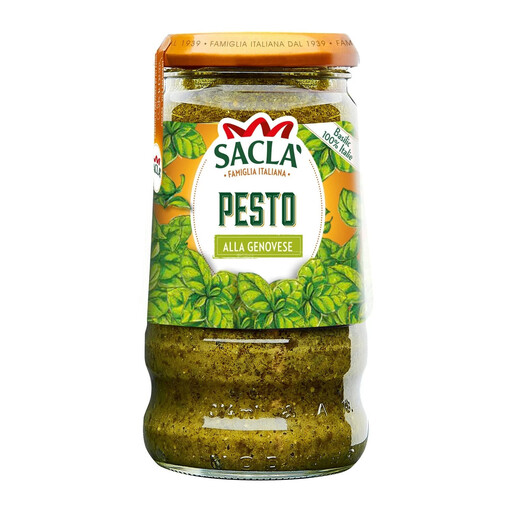 Image unavailable
This 190 g jar of basil pesto could be a good choice if you’re looking for a smaller amount to serve with pasta. Check the allergens on the packaging and the storage instructions before deciding how to use the rest.
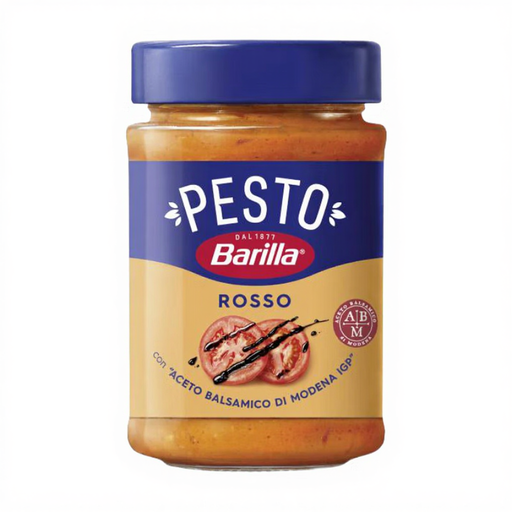 Image unavailable
This 200 g pesto rosso offers another way to serve pasta. If the pupil has an allergy, check the packaging for this specific product: the “gluten-free” claim on Barilla Sauce Basilico doesn’t automatically apply to this pesto.
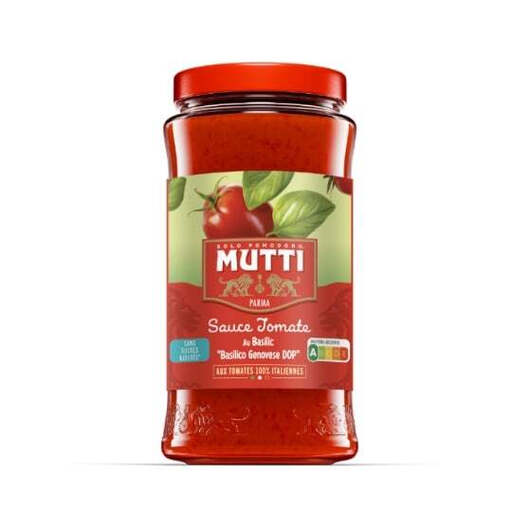 Image unavailable
This tomato and basil sauce is a ready-to-use pasta sauce rather than a base for cooking with. Before using it in a lunchbox, check the allergens and instructions after opening on the product you receive.
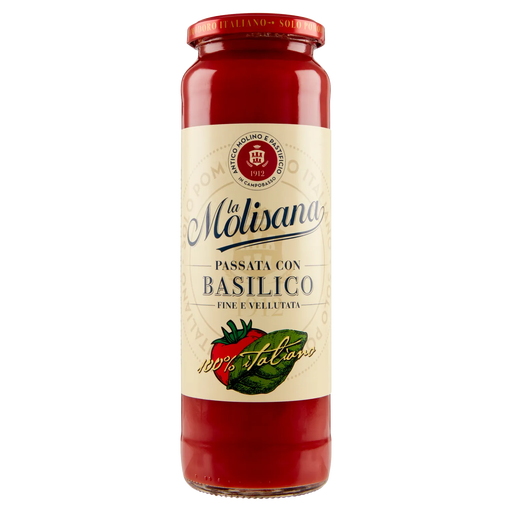 Image unavailable
This 690 g tomato purée with basil is a base to use when making a sauce. Before choosing this size for a few lunchboxes, plan how you’ll use the rest and check the instructions for storage after opening.
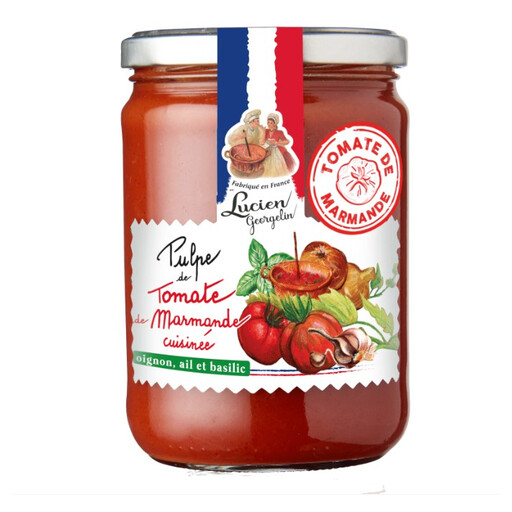 Image unavailable
This seasoned 500 g purée can be used as a base for a pasta sauce you make yourself. If you’re looking for a product to keep in the cupboard, first check the storage conditions before opening, then check the instructions for the opened container.
No, it depends on the specific recipe: Barilla describes its Sauce Basilico as “gluten-free”. Even so, check the packaging you buy, as well as the pasta and other ingredients in the meal. The DGCCRF says allergens must be clearly highlighted in the ingredients list on pre-packed foods.
Follow the instructions for the specific product you’ve bought, not those for the sealed container. For its 200 g Bio tomato and basil jar, Auchan says to store it between 0 and 4 °C and consume it within 48 hours of opening. Its 300 g tomato and basil doypack should be refrigerated and used within eight days.
The storage conditions for a sealed sauce don’t guarantee that cooked pasta will keep safely. ANSES recommends keeping prepared meals in the coldest part of the fridge and limiting how long they’re left at room temperature. Use a suitable insulated bag if the meal can’t stay chilled until lunchtime.
Check the ingredients in every component and contact the school before deciding what to include. The Ministry of National Education says an individualised support plan can be put in place for a pupil with, for example, a food allergy. Any adjustments will depend on the pupil’s needs and the arrangements agreed with the school.